Tag

human-rights

Browsing

2020.09.08
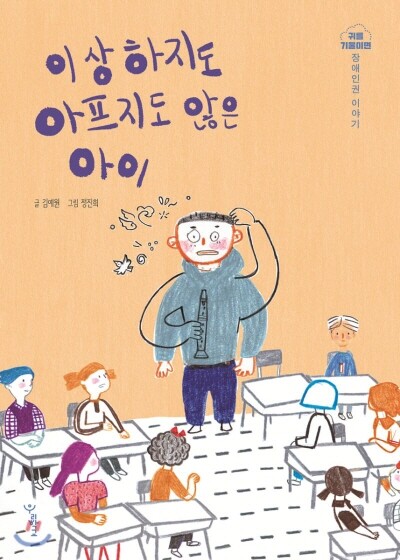
Kim Yewon’s children’s book begins in a fourth-grade classroom where Jo-han, a student with developmental disabilities, causes a small disturbance by taking and playing a classmate’s recorder. The classmates react with distancing remarks and pity, and the teacher challenges them with a simple but powerful homework question: “What does it mean to live together?” The story uses this familiar school setting to explore how easy it is to confine a person to limiting labels and how community spaces shape our responses to difference.

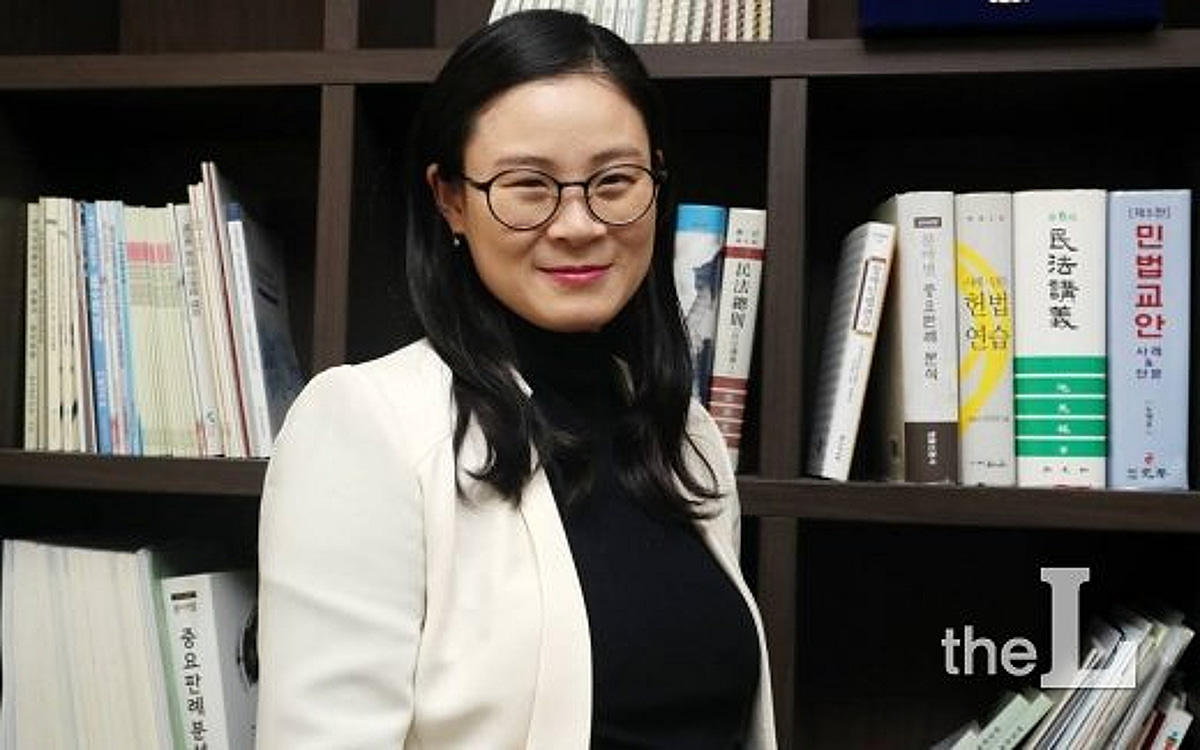
The author, Kim Yewon, is a visually impaired human-rights lawyer who works supporting victims of rights violations and advocating for legal reform. Drawing on her experience and earlier work that connected film and real disability stories, she intentionally wrote for children to encourage early, empathetic thinking about diversity. The book’s title—taken from a key scene where a child reveals their true self to a friend—captures the central message: people are not merely “strange” or “sick,” but individuals with distinct gifts, like flowers with different colors and scents.

The book challenges common paternalistic reactions—”poor thing,” “how difficult”—that shrink a person’s identity and instead invites small, practical changes in everyday behavior. Kim recommends simple acts of kindness and speaking up when needed, arguing that ordinary people’s small, consistent efforts have great power to change social norms. She also suggests empathy-building media such as Inside Out and urges readers to practice “gentle interventions” in daily life to help create a more inclusive community.


Original source: 김예원 “우리, 같이 살아간다는 것” | 예스24 채널예스 (Source: the news outlet; please refer to the original article.)
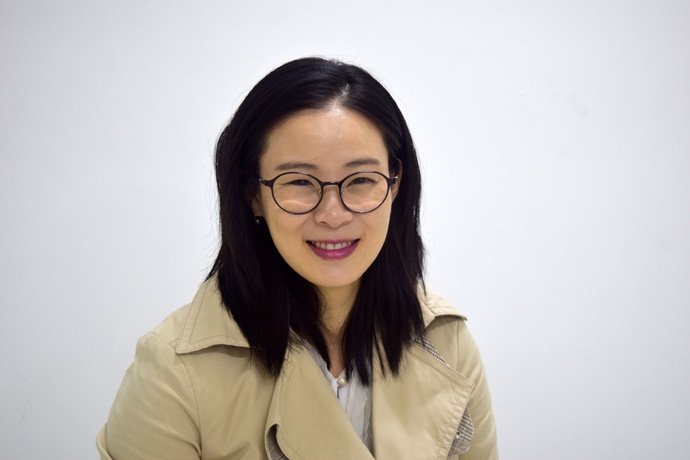
2018-04-18 21:21
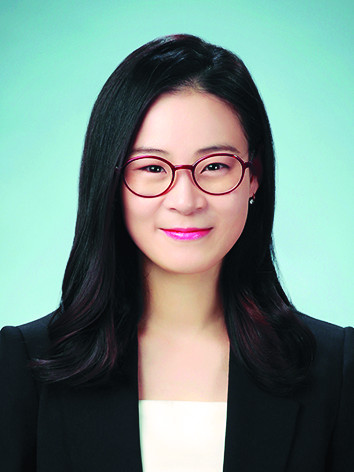
Seoul honored blind human rights lawyer Kim Ye-won with its Human Rights Welfare Grand Prize in recognition of her sustained efforts to advance disability rights. A former staffer at the Dongcheon Foundation, Kim has worked on behalf of social minorities and served as the standing counsel at the Seoul Disability Rights Center since 2014. She also founded the Disability Rights Law Center early last year, further institutionalizing legal support for people with disabilities.

The city also recognized other contributors to disability welfare: Dr. Lee Geung-ho, founder of The Smile Dental Clinic, received the top award in the disability welfare support category for running a specialized dental center and providing pro bono care. In the disability self-advocacy category, Hong Seo-yoon, president of the Korea Disabled Tourism Association, was honored for leadership in promoting accessible travel and inclusion for people with disabilities.

The awards were presented at the “Together Seoul Nuri Festival” held at SETEC in Gangnam, highlighting Seoul’s efforts to celebrate Disability Day and spotlight practical initiatives that improve rights, services, and social participation for people with disabilities. The ceremony underscored the role of legal advocacy, medical volunteerism, and sector-specific leadership in driving more inclusive policies and everyday access across the city.


Original source: 장애인의 날 기념 인권 복지상 대상에 김예원씨 (Source: the news outlet; please refer to the original article.)
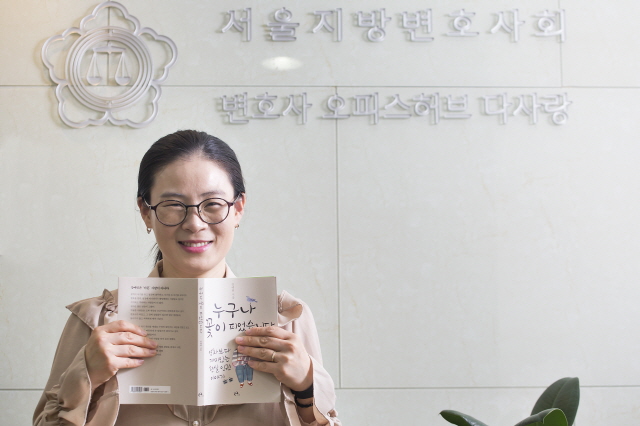
2019.04.04 15:25
Kim Ye-won, a busy disability-rights lawyer and founder of the Disability Rights Law Center, balances a demanding professional life with caring for three children. Recognized with multiple awards and the recent book ‘누구나 꽃이 피었습니다’ that aims to popularize disability rights, she travels nationwide to represent victims, often working under difficult conditions (from writing filings on trains to conducting phone consultations in unheated rooms) while remaining resolute and upbeat about her mission.

Her commitment to disability rights deepened after handling the notorious Wonju Gurae ‘‘Sarang’s House’ case, in which dozens of people with disabilities suffered long-term abuse, confinement and disappearance. The shocking details and the light sentencing of the perpetrator provoked a deep sense of outrage in Kim and convinced her that litigation and public advocacy were necessary to protect vulnerable people and expose systemic failures in care and oversight.

Dissatisfied with limits on public institutions, Kim established the Disability Rights Law Center in 2017 to provide more mobile, accessible legal help beyond Seoul and to reach victims who do not know how or where to report abuses. She has handled over a thousand consultations, serves as a steadfast legal companion for clients, and focuses on achieving systemic change and practical remedies—even when immediate legal options are limited—so that victims can rebuild their lives and future harms can be prevented.


Original source: 장애 차별에 분노하는 변호사, ‘장애인권’을 말하다 (Source: the news outlet; please refer to the original article.)
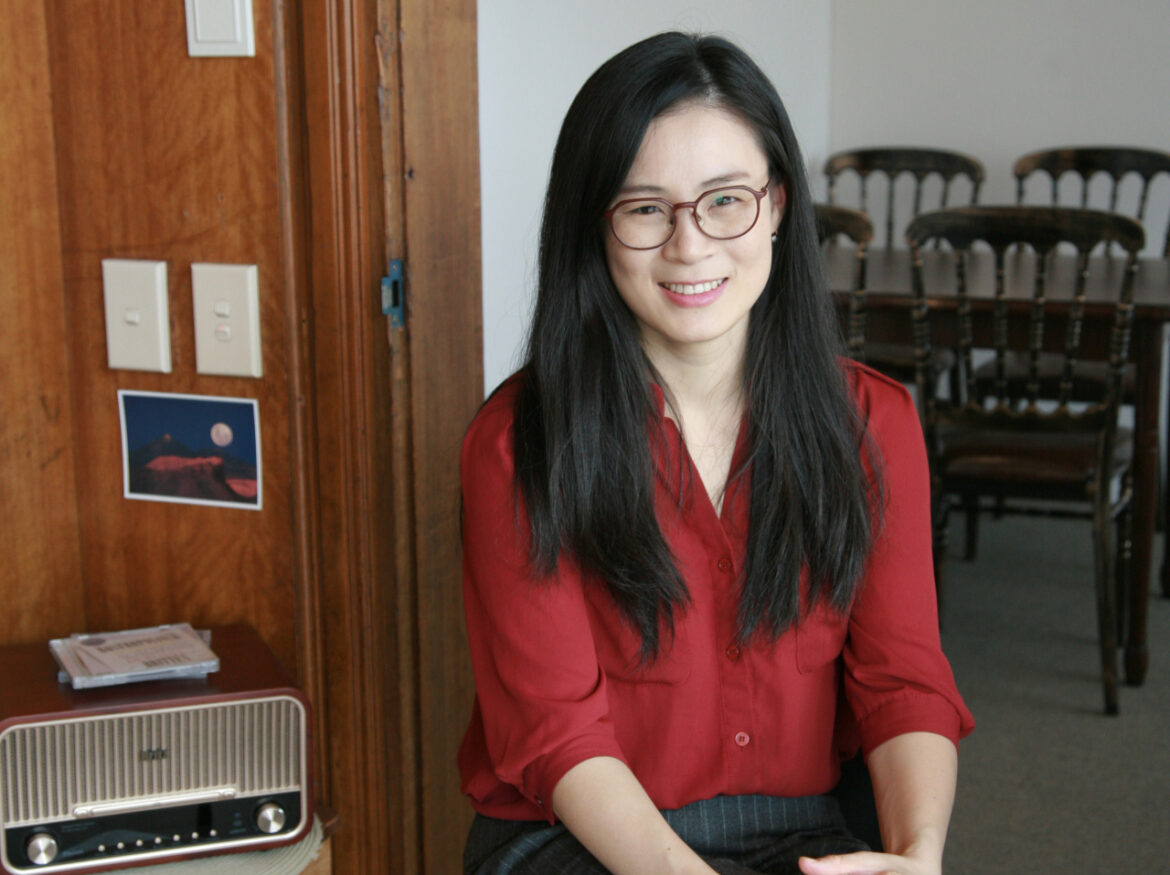
Kim Ye-won is a one-person public-interest lawyer running the Disability Rights Law Center, who provides free representation to people with disabilities across criminal, administrative and civil cases. She handles heavy caseloads alone—recently supporting dozens of cases in months—and combines individual litigation with systemic projects such as producing legal support manuals for abuse victims, pushing for regulatory changes in disability sports, and campaigning for revisions to sexual protection laws for children and youth. Her record includes landmark successes: persuading the Supreme Court to recognize a prosthetic leg’s damage as an occupational injury, securing a law change to allow one-eyed applicants to take a class-1 driving test, and winning awards for human-rights advocacy.


Original source: [공변이 사는 法] “장애인 인권 보호, 거창한 법보다 사회 인식 전환이 우선이죠” – 더나은미래 (Source: the news outlet; please refer to the original article.)
2021-03-12 09:02:01
Kim Ye‑won is a veteran public-interest lawyer who has handled more than 1,000 cases for people with disabilities, women and children. Born with a medical injury that cost her one eye, she says she rarely felt personally discriminated against but came to recognize that disability is shaped by social evaluation. Working from a small home office while raising three children and commuting between Gwangju and Seoul, Kim takes on difficult on-the-ground cases—one notable client was an intellectually disabled man whose life savings were siphoned off and whose transaction records included purchases he never made—leading to criminal complaints and corrective action.

Rather than practicing in corporate settings, Kim founded and runs a disability-rights law center to meet clients in the field and to shape practical policy. She helped change rules so some visually impaired people can take a Class 1 driving test and played a leading role in drafting responses to high-profile child-abuse cases. On legislation she urges caution: simply raising penalties can deepen victims’ burdens because higher sentences raise evidentiary thresholds. Her approach emphasizes laws that reflect frontline realities and protect victims in practice, not just on paper.

Kim welcomes the growing public attention to marginalized groups but worries that media-driven interest is often short-lived and that poorly drafted laws fail at enforcement. She notes concrete implementation problems—such as ambiguous exemptions for road-occupation fees that undercut a law’s intent to require ramps—and stresses sustained, field-informed reform. With limited resources, most of her income comes from lectures and government consultations; she concentrates on the hardest cases and argues that the law, when grounded in real experience, is a vital tool for social change.


Original source: “소수자에 대한 관심 늘어나 반갑지만 수명 짧아 아쉬워” [피플앤스토리] (Source: the news outlet; please refer to the original article.)
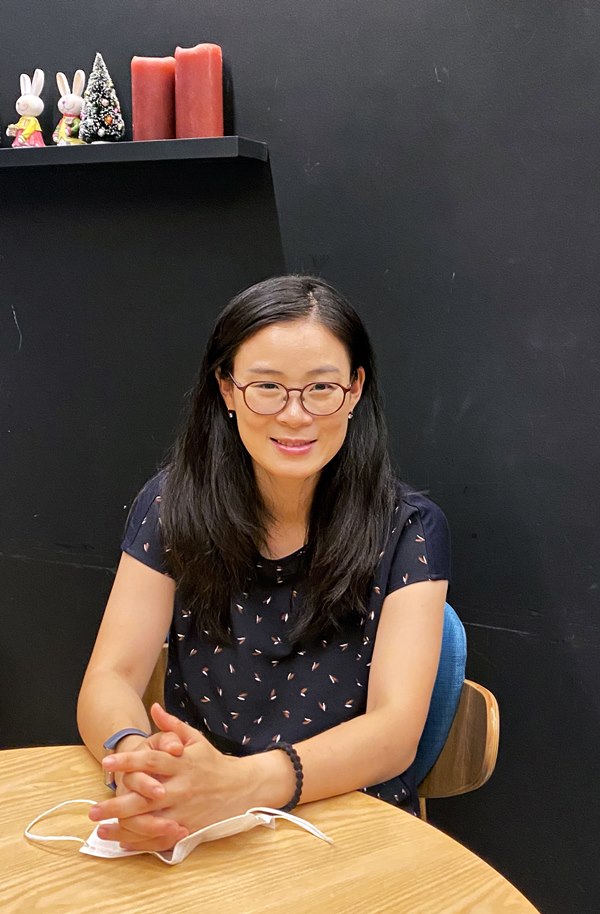
Kim Ye-won, founder and sole operator of the non‑profit Disability Rights Law Center, has spent her legal career representing people who cannot advocate for themselves — pro bono. Though she was born with the loss of one eye, Kim says she only recognized the depth of systemic discrimination after becoming a lawyer. Her work combines individual litigation with policy research and institutional reform to protect the rights and dignity of marginalized groups.

High‑profile abuse and embezzlement cases, including the 2012 Wonju Girae Sarang’s House and the 2013 Hongcheon Siloam Pond House, convinced Kim that confronting direct violence is only part of the task. Many clients face severe communication barriers, so she insists on exhausting all methods to obtain testimony and access to justice — even using iris‑recognition technology to capture the statement of a client with profound motor and speech impairments when conventional methods failed.

Beyond litigation, Kim urges a shift in language and attitudes: replace the term “socially weak” with “social minorities” to avoid defining people by helplessness. She stresses the importance of equal, not patronizing, communication — for example, allowing visually impaired people to state their preferred mode of assistance — and envisions a society where diverse voices are heard and each person’s agency is respected.


Original source: “‘사회적 약자’ 대신 ‘사회적 소수자’로 불러주세요” – 더나은미래 (Source: the news outlet; please refer to the original article.)
2018.03.30 05:20 
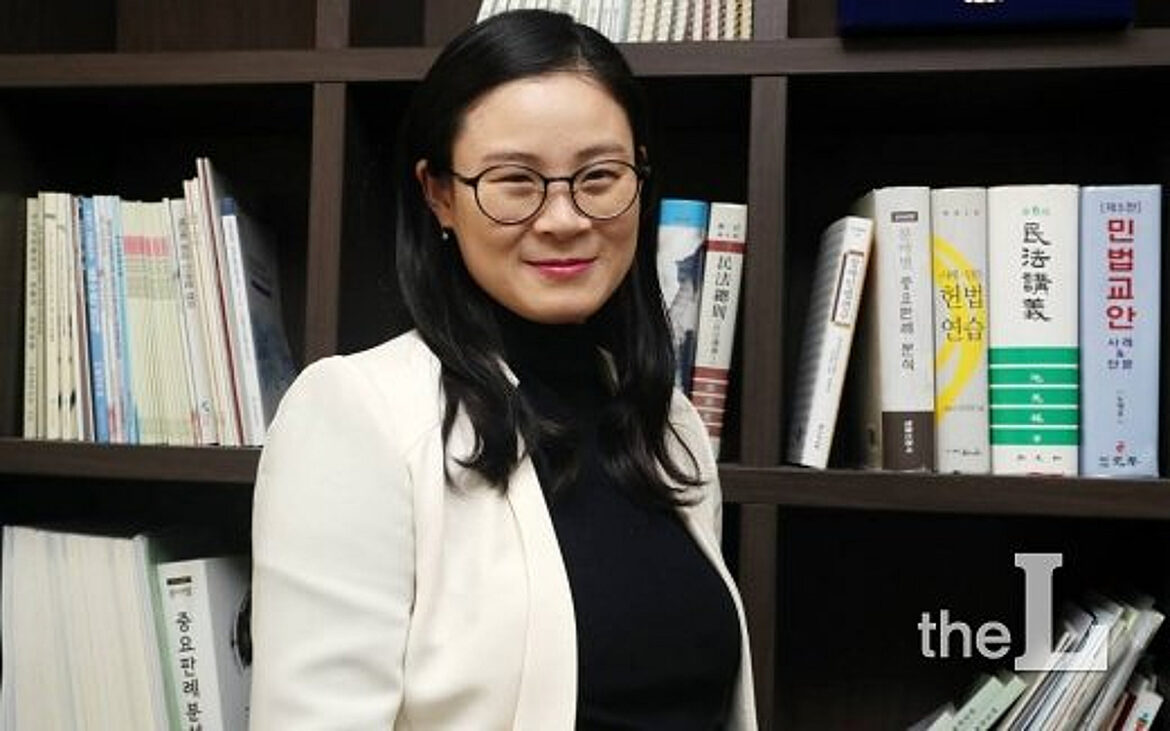
Kim Ye-won, a 36-year-old lawyer and the first recipient of the Gwak Jeong-sook Human Rights Award, runs the Disability Rights Law Center in Korea and dedicates her practice to clients who cannot afford legal representation. Honored in the name of a late disability rights activist, Kim says the award both humbles and motivates her to continue strengthening legal protection for people with disabilities.

Her involvement began by chance while working at the Dongcheon Foundation in 2012 and deepened after handling high-profile cases, including prosecuting embezzlement of disabled residents’ benefits and securing a Supreme Court ruling that recognized a damaged prosthetic as a work-related injury. In January last year she launched the one-person Disability Rights Law Center to provide legal aid to unrepresented disabled people, children with disabilities, women, and people with mental disabilities, and to push for systemic change through research and education.

Kim highlights urgent needs beyond litigation: rescuing abused disabled people and ensuring post-rescue support, identifying and aiding vulnerable disabled children, advancing deinstitutionalization, and making civic participation accessible. She argues for pragmatic reforms—such as including candidate photos and party logos on ballots, as in Taiwan—so people who cannot read can still vote independently. Above all, she believes change comes from awareness and familiarity, and sees measurable progress as society grows more accustomed to the presence and rights of people with disabilities.


Original source: “글 몰라도 찍게…투표 용지에 그림 넣어주세요” – 머니투데이 (Source: the news outlet; please refer to the original article.)