2022.06.20 09:25 Kim remains engaged on current disability issues—defending the rights of protest groups that press authorities to honor commitments—and balances advocacy with family life and professional development. Soon she will research victim support in the U.S. as a visiting scholar at Duke, and she is open to future public roles. Her advice to young lawyers is practical: follow your lived interests, start by looking and participating, and let steady engagement—not grand gestures—build meaningful change.
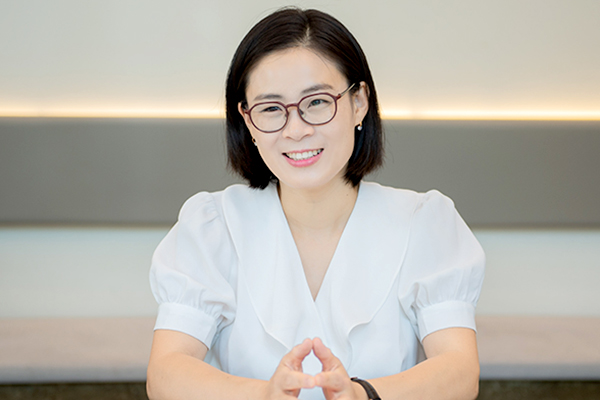
2019.12.02 08:00 Kim Ye-won is a public-interest lawyer who turned a personal disability and long career in public law into a mission to defend Korea’s most overlooked people. Born with a medical accident that cost her one eye, Kim passed the bar in 2009, worked at public-interest organizations including Dongcheon and the Seoul Disability Rights Center, and in 2017 founded a one-person nonprofit law center to take on cases nationwide. A busy mother of three, she says she is not “nice” by temperament — a quality she considers necessary for sustained legal fights on behalf of vulnerable clients.
Her Disability Rights Law Center focuses on people with little or no social support — orphans, basic livelihood recipients, children from single-parent homes and others left to suffer abuse or exploitation. The center does not charge fees and selects cases where institutional help is absent. Kim emphasizes accompaniment and empowerment rather than a savior role: building long-term trust, helping victims recognize their situation, and enabling them to become the subjects of their own cases. Small breakthroughs — from choosing a snack freely to asserting personal dignity — mark the meaningful progress she seeks.
Beyond individual cases, Kim pursues systemic change through litigation and law reform. She successfully pushed for stronger prosecution in a sexual-assault case involving a deaf woman, advocated for allowing visually impaired people to attempt a Class 1 driving test, and called for mandatory CCTV in special schools after a child’s unexplained death. Balancing casework, policy advocacy and family life, Kim attributes her stamina to practical determination and the support of her husband while continuing to press for rights and protections for disabled people nationwide.
2019.04.04 15:25 Kim Ye-won, a busy disability-rights lawyer and founder of the Disability Rights Law Center, balances a demanding professional life with caring for three children. Recognized with multiple awards and the recent book ‘누구나 꽃이 피었습니다’ that aims to popularize disability rights, she travels nationwide to represent victims, often working under difficult conditions (from writing filings on trains to conducting phone consultations in unheated rooms) while remaining resolute and upbeat about her mission.
Her commitment to disability rights deepened after handling the notorious Wonju Gurae ‘‘Sarang’s House’ case, in which dozens of people with disabilities suffered long-term abuse, confinement and disappearance. The shocking details and the light sentencing of the perpetrator provoked a deep sense of outrage in Kim and convinced her that litigation and public advocacy were necessary to protect vulnerable people and expose systemic failures in care and oversight.
Dissatisfied with limits on public institutions, Kim established the Disability Rights Law Center in 2017 to provide more mobile, accessible legal help beyond Seoul and to reach victims who do not know how or where to report abuses. She has handled over a thousand consultations, serves as a steadfast legal companion for clients, and focuses on achieving systemic change and practical remedies—even when immediate legal options are limited—so that victims can rebuild their lives and future harms can be prevented.
2017.07.07 18:00 A person with a disability has filed a lawsuit accusing a cosmetics company of pressuring them into buying products, a case flagged under keywords including forced sales and the cosmetics brand Coreana. The report, one among several widely read items, highlights an individual consumer complaint that has prompted legal action and public attention to sales practices targeting vulnerable customers.
The article sits within a broader set of disability-related news: efforts to standardize the name of disability registration cards, calls to amend the Basic Livelihood Security Act to break the “poverty trap” undermining disabled workers’ motivation, and ongoing initiatives like weekly audio-described programming. It also notes troubling incidents and legal disputes — from court rulings on discrimination and access denials (such as a wedding venue refusing entry to an electric wheelchair user) to allegations of abuse in care facilities and low employment rates and wages for people with disabilities (employment rate 34%, average monthly pay 2,153,000 won in the cited period).
These developments come as disability-rights legislation advances (including the Disability Rights Guarantee Act and discussion of a Brain Lesion Disability Support Act) and as advocacy groups press for stronger protections for both rights and consumers. The cosmetics lawsuit joins a pattern of cases and policy debates that call for tighter consumer safeguards, clearer anti-discrimination enforcement, and accelerated legislative support to protect people with disabilities in Korea.
Original source: 장애인 ‘화장품 강매 당했다’, 업체 고소 (Source: the news outlet; please refer to the original article.)
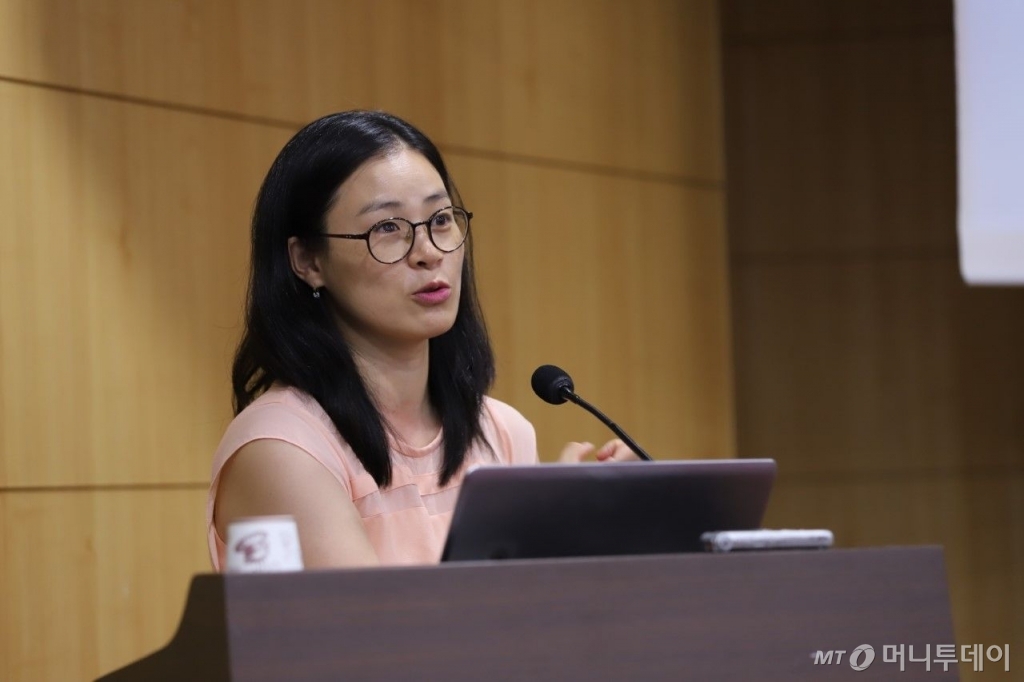
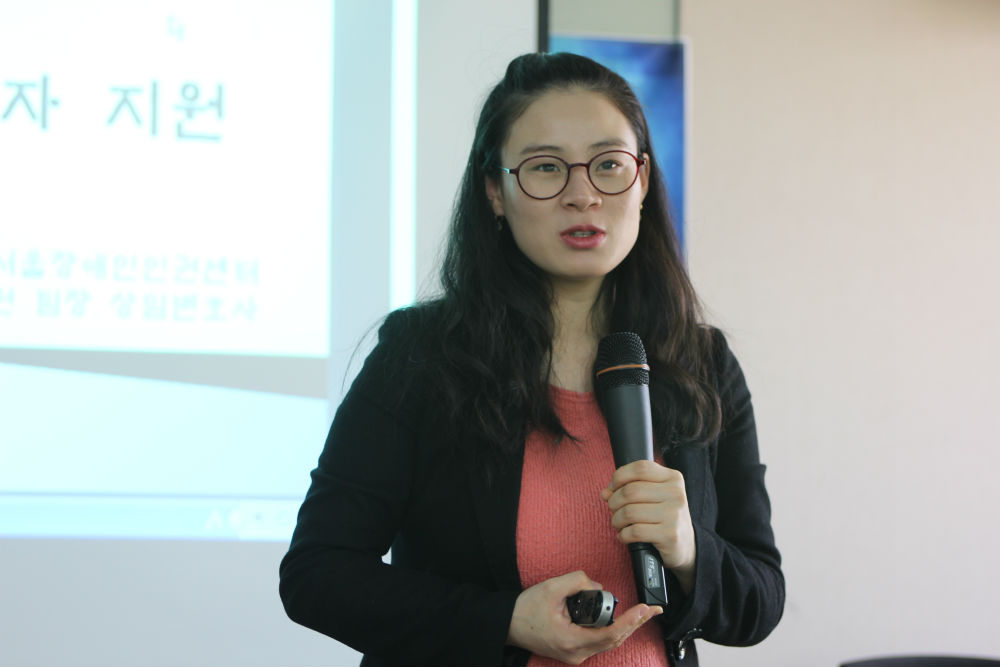
2015.12.14 09:39 article At a recent training hosted by the Korean Bar Association, Kim Ye-won, team leader and attorney at the Seoul Disability Human Rights Center, highlighted the everyday ways people with disabilities face hidden discrimination. She cited concrete examples—students denied admission because there are no special classes, buildings accessible only by stairs, and refusals to provide reasonable accommodations—and stressed that such barriers are widespread despite existing laws.
Kim reviewed the Disability Discrimination Prevention and Remedies Act, which forbids discrimination across employment, education, goods and services, legal/administrative procedures, voting, family and welfare, health care, and protections for women and children with disabilities. In practice, however, discrimination persists through cost-cutting hiring practices, sexual harassment, lack of accessibility, and various abuses in residential facilities (assault, sexual violence, embezzlement, neglect, and violations of autonomy). She recommended remedies including reporting to the Seoul Disability Human Rights Center (1644-0420), filing complaints with the National Human Rights Commission (1331), and pursuing civil or criminal litigation when appropriate.
For institutions and facility operators, Kim advised documenting confirmed abuses, taking disciplinary action, requesting investigations by human rights bodies or local centers, and providing prevention training to all staff. She also urged consulting relevant officials by phone or email when situations are unclear. Kim closed with a reminder that disability is exacerbated by a non-inclusive society and called for removing social discrimination that makes life harder for people with disabilities. Other speakers at the session included Park Kim Young-hee and attorney Lee Sang-min.
Original source: “장애인 불편하게 만드는 사회적 차별 방지해야” (Source: the news outlet; please refer to the original article.)
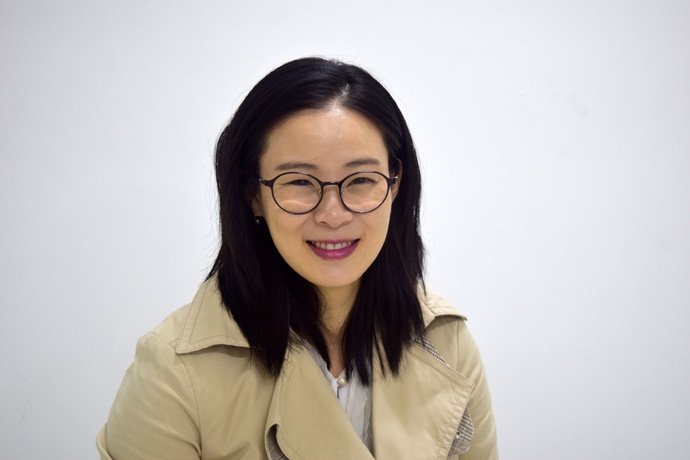
Kim Ye-won, a 31-year-old attorney with the Dongcheon public-interest foundation of law firm Taepyungyang, has become a prominent and relentless advocate for people with disabilities. Known for warm empathy with victims and fierce advocacy in court, she is leading appeals and civil claims in high-profile abuse cases, including the Wonju disability-facility scandal where a man who posed as a pastor abused and exploited dozens of residents. Kim criticizes the initial sentence as too lenient, is representing victims in family-registration corrections and related suits, and works closely with rescued residents as they recover from long-term trauma.
Her drive to become a lawyer came from personal experience: she lost sight in one eye due to a birth-related medical accident and was shocked by the lack of redress and apology. That experience shaped her focus on medical negligence and structural discrimination. Kim recounts everyday barriers she’s faced, such as being denied a license upgrade because of one-eye vision rules, and organized advocacy that helped prompt a legislative proposal to allow individualized assessments for licensing. She emphasizes practical reforms over blanket restrictions, citing international precedents that permit driving with one good eye under evaluation.
Beyond individual cases, Kim is pushing systemic change: she champions a Protection & Advocacy (P&A) model to enable rapid, local intervention in abuse or rights violations, and contributes to civil society reporting ahead of Korea’s UN CRPD review. She views the law as a tool to create faster, safer social change and argues disability rights are everyone’s issue—because anyone can become disabled and society benefits when all members are protected and included.