Tag

legal-aid

Browsing

2018.10.14 11:27
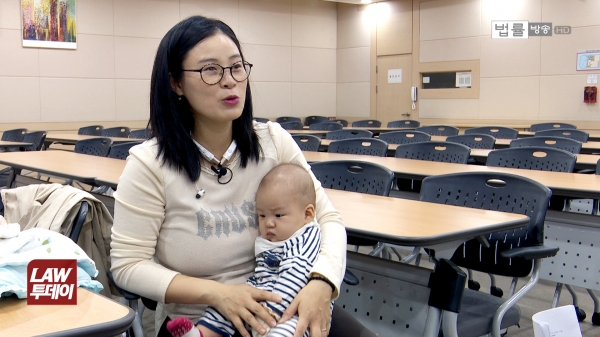
Attorney Kim Yewon made headlines after attending a public forum and courtroom appearances with her roughly 100-day-old baby in tow. Judges and colleagues were reportedly surprised — sometimes asking why she was there — but Kim explains she had little choice: as a public-interest lawyer representing criminal victims, court dates are set around clients and cannot easily be postponed, and self-employed lawyers lack the social protections that would make leave or childcare feasible. In practice she balances short courtroom appearances, quieting her child between statements, and leaving more intensive parts like witness examinations to times when childcare is available.

Her experience highlights broader gaps in Korea’s childcare and labor systems. Although some public childcare programs list preferences for larger families, caregiver matching often leaves those households underserved because individual providers can refuse assignments; the result is long waits or effectively having to give up. Kim points to the need for both reliable institutional childcare (similar to France’s crèche system) and stronger income supports so families and parents can meaningfully choose whether to work or provide full-time care without facing economic ruin.

Beyond her personal story, Kim founded and runs the Disability Rights Law Center, providing legal aid to people whose rights were violated because of disability — especially those with little or no support network, including disabled children, women, and people with developmental or mental disabilities. Her practice combines individual representation in sexual-violence and abuse cases with advocacy for systemic reform to remove institutional barriers, and she calls for more responsible media language and policies that protect victims while expanding real choices for working parents.


Original source: “판사님들이 ‘어떤 일로 오셨냐’ 물어요”… 아기 안고 법정 출석 김예원 변호사 인터뷰 일문일답 (Source: the news outlet; please refer to the original article.)
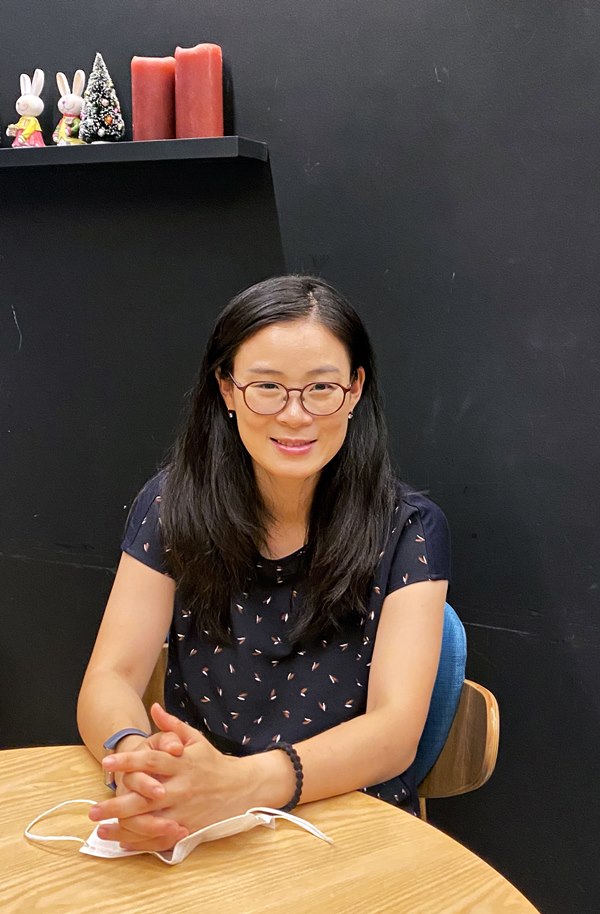
Kim Ye-won, founder and sole operator of the non‑profit Disability Rights Law Center, has spent her legal career representing people who cannot advocate for themselves — pro bono. Though she was born with the loss of one eye, Kim says she only recognized the depth of systemic discrimination after becoming a lawyer. Her work combines individual litigation with policy research and institutional reform to protect the rights and dignity of marginalized groups.

High‑profile abuse and embezzlement cases, including the 2012 Wonju Girae Sarang’s House and the 2013 Hongcheon Siloam Pond House, convinced Kim that confronting direct violence is only part of the task. Many clients face severe communication barriers, so she insists on exhausting all methods to obtain testimony and access to justice — even using iris‑recognition technology to capture the statement of a client with profound motor and speech impairments when conventional methods failed.

Beyond litigation, Kim urges a shift in language and attitudes: replace the term “socially weak” with “social minorities” to avoid defining people by helplessness. She stresses the importance of equal, not patronizing, communication — for example, allowing visually impaired people to state their preferred mode of assistance — and envisions a society where diverse voices are heard and each person’s agency is respected.


Original source: “‘사회적 약자’ 대신 ‘사회적 소수자’로 불러주세요” – 더나은미래 (Source: the news outlet; please refer to the original article.)
2018.03.30 05:20 
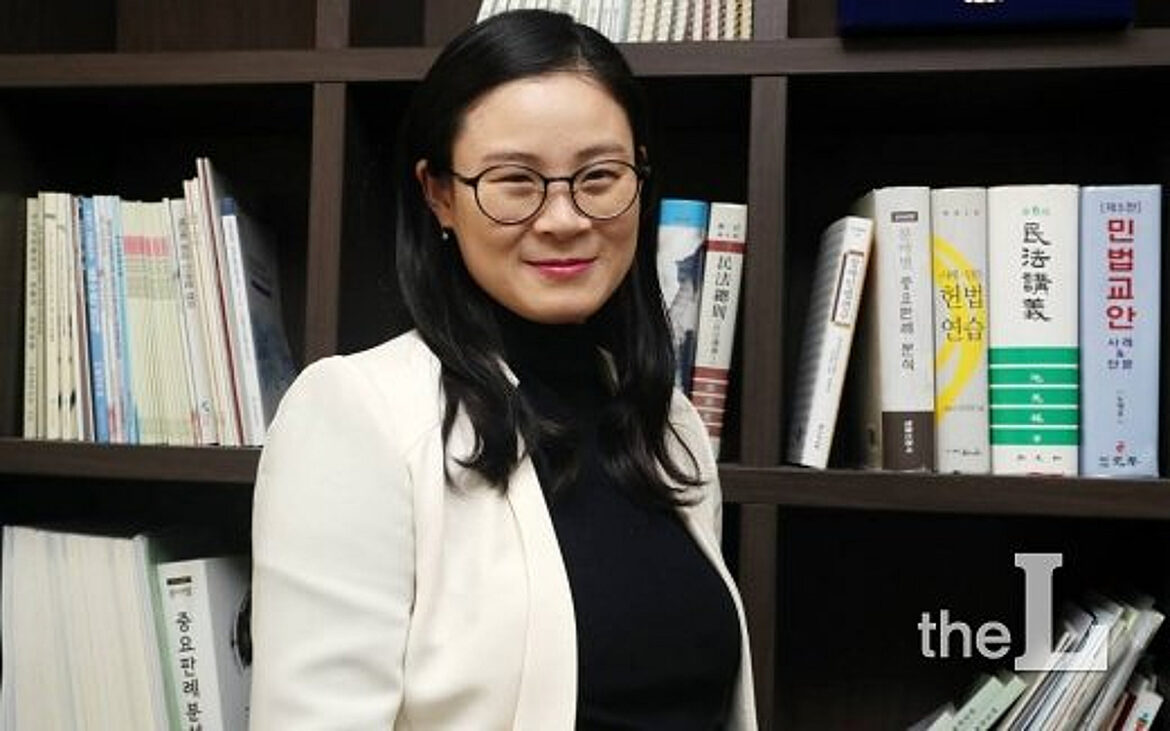
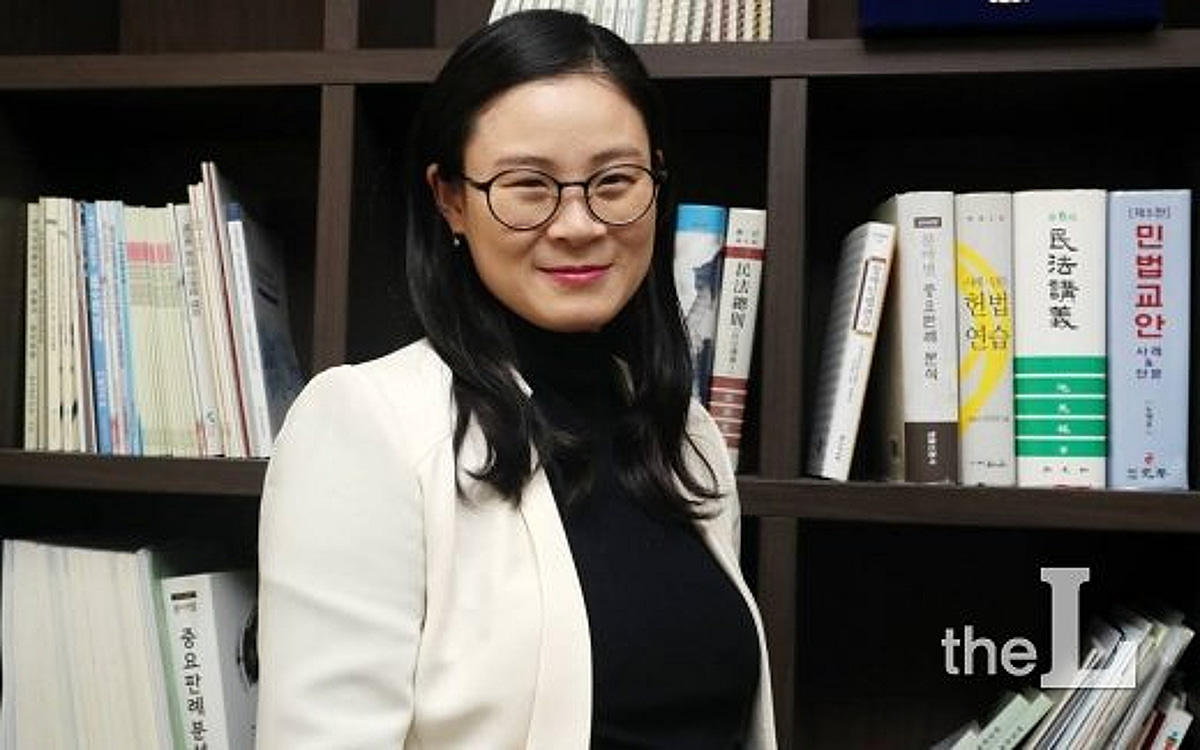
Kim Ye-won, a 36-year-old lawyer and the first recipient of the Gwak Jeong-sook Human Rights Award, runs the Disability Rights Law Center in Korea and dedicates her practice to clients who cannot afford legal representation. Honored in the name of a late disability rights activist, Kim says the award both humbles and motivates her to continue strengthening legal protection for people with disabilities.

Her involvement began by chance while working at the Dongcheon Foundation in 2012 and deepened after handling high-profile cases, including prosecuting embezzlement of disabled residents’ benefits and securing a Supreme Court ruling that recognized a damaged prosthetic as a work-related injury. In January last year she launched the one-person Disability Rights Law Center to provide legal aid to unrepresented disabled people, children with disabilities, women, and people with mental disabilities, and to push for systemic change through research and education.

Kim highlights urgent needs beyond litigation: rescuing abused disabled people and ensuring post-rescue support, identifying and aiding vulnerable disabled children, advancing deinstitutionalization, and making civic participation accessible. She argues for pragmatic reforms—such as including candidate photos and party logos on ballots, as in Taiwan—so people who cannot read can still vote independently. Above all, she believes change comes from awareness and familiarity, and sees measurable progress as society grows more accustomed to the presence and rights of people with disabilities.


Original source: “글 몰라도 찍게…투표 용지에 그림 넣어주세요” – 머니투데이 (Source: the news outlet; please refer to the original article.)