
Tag

legal-reform

Browsing

2022.05.04 07:00
Kim Ye-won is a disability rights lawyer and a visually impaired survivor who lost an eye in a medical incident. Working at the Disability Rights Law Center, she became an outspoken advocate because she was outraged that society routinely ignores people who cannot easily speak for themselves. Kim has spoken publicly on heated national debates—such as subway protests led by disability activists and the recent overhaul of prosecutorial powers—and has written a book reflecting on everyday violences that wound marginalized people.

On criminal justice reform, Kim rejects the current “complete removal of prosecution’s investigative powers” approach (commonly debated as 검수완박) as a flawed outcome that could disadvantage ordinary citizens. She supports the principle of separating investigation and prosecution, but argues the real reform should restore prosecutorial investigative supervision while making police the primary first-responders. That supervisory “double-check” would protect victims who find it difficult to pursue appeals: Kim notes only a small fraction of police non-prosecution decisions are contested, leaving many aggrieved citizens without effective remedies.

Kim defends disability-led protests—such as actions by the National Solidarity for the Elimination of Disability Discrimination (Jeonjangyeon)—as necessary to expose persistent barriers to mobility, and criticizes political leaders for stoking blame instead of seeking solutions. She points out that Korea’s Disability Discrimination Act already requires reasonable accommodations, but implementation fails mainly for lack of political will and funding. Kim urges policymakers to invest in accessible infrastructure, stop weaponizing public frustration for political gain, and cultivate solidarity so that disabled people’s dignity and practical rights can be restored; her book and legal work stem from that conviction that change is possible when society chooses to act.


Original source: [피플&포커스] 거침없이 외치는 변호사 김예원 “약자 목소리 외면에 ‘분노’” (Source: the news outlet; please refer to the original article.)


2021-03-12 11:01:48
Kim Yewon, a lawyer who lost sight in one eye due to a birth-related medical incident, turned a personal experience of social stigma into a lifelong commitment to public interest law. Rather than pursuing a more lucrative private practice, she founded the Disability Rights Law Center to provide on-the-ground legal support for people with disabilities, children and women. Working between Gwangju and Seoul and running her practice from a room in her home while raising three children, Kim has handled over 1,000 legal matters, including cases of financial exploitation against intellectually disabled clients that she successfully exposed through careful evidence work.

Kim treats law as a practical tool for social change and has combined individual casework with active participation in the legislative process. Her work helped change rules to allow some visually impaired people to take a Class 1 driving test, and she contributed expert input during the legislative debate over the high-profile Jeong-in case, warning that simply increasing penalties can unintentionally harm victims by raising the burden of proof. She emphasizes that thoughtful, field-informed drafting is crucial because well-intentioned laws often shrink in effect when implemented with administrative discretion.

Despite growing public interest in minority and victim issues after headline cases, Kim notes that attention is often short-lived and implementation gaps persist—such as when laws intended to require accessibility features leave room for local authorities to opt out. Her clinic receives many inquiries but must triage cases due to limited resources; income comes mainly from lectures and government advisory work. Balancing heavy demand with family life and constrained funding, Kim remains focused on supporting the most vulnerable and pushing for laws and practices that work in reality, not just on paper.


Original source: “인권, 거창함 경계…누구나 알지만 지속이 힘든 삶의 이야기죠” [피플 & 스토리-장애인권법센터 김예원 변호사] (Source: the news outlet; please refer to the original article.)
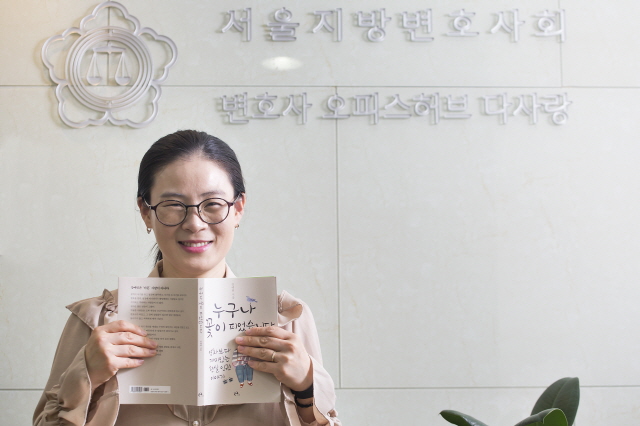
Kim Ye-won is a one-person public-interest lawyer running the Disability Rights Law Center, who provides free representation to people with disabilities across criminal, administrative and civil cases. She handles heavy caseloads alone—recently supporting dozens of cases in months—and combines individual litigation with systemic projects such as producing legal support manuals for abuse victims, pushing for regulatory changes in disability sports, and campaigning for revisions to sexual protection laws for children and youth. Her record includes landmark successes: persuading the Supreme Court to recognize a prosthetic leg’s damage as an occupational injury, securing a law change to allow one-eyed applicants to take a class-1 driving test, and winning awards for human-rights advocacy.


Original source: [공변이 사는 法] “장애인 인권 보호, 거창한 법보다 사회 인식 전환이 우선이죠” – 더나은미래 (Source: the news outlet; please refer to the original article.)

2021-03-12 09:02:01
Kim Ye‑won is a veteran public-interest lawyer who has handled more than 1,000 cases for people with disabilities, women and children. Born with a medical injury that cost her one eye, she says she rarely felt personally discriminated against but came to recognize that disability is shaped by social evaluation. Working from a small home office while raising three children and commuting between Gwangju and Seoul, Kim takes on difficult on-the-ground cases—one notable client was an intellectually disabled man whose life savings were siphoned off and whose transaction records included purchases he never made—leading to criminal complaints and corrective action.

Rather than practicing in corporate settings, Kim founded and runs a disability-rights law center to meet clients in the field and to shape practical policy. She helped change rules so some visually impaired people can take a Class 1 driving test and played a leading role in drafting responses to high-profile child-abuse cases. On legislation she urges caution: simply raising penalties can deepen victims’ burdens because higher sentences raise evidentiary thresholds. Her approach emphasizes laws that reflect frontline realities and protect victims in practice, not just on paper.

Kim welcomes the growing public attention to marginalized groups but worries that media-driven interest is often short-lived and that poorly drafted laws fail at enforcement. She notes concrete implementation problems—such as ambiguous exemptions for road-occupation fees that undercut a law’s intent to require ramps—and stresses sustained, field-informed reform. With limited resources, most of her income comes from lectures and government consultations; she concentrates on the hardest cases and argues that the law, when grounded in real experience, is a vital tool for social change.


Original source: “소수자에 대한 관심 늘어나 반갑지만 수명 짧아 아쉬워” [피플앤스토리] (Source: the news outlet; please refer to the original article.)
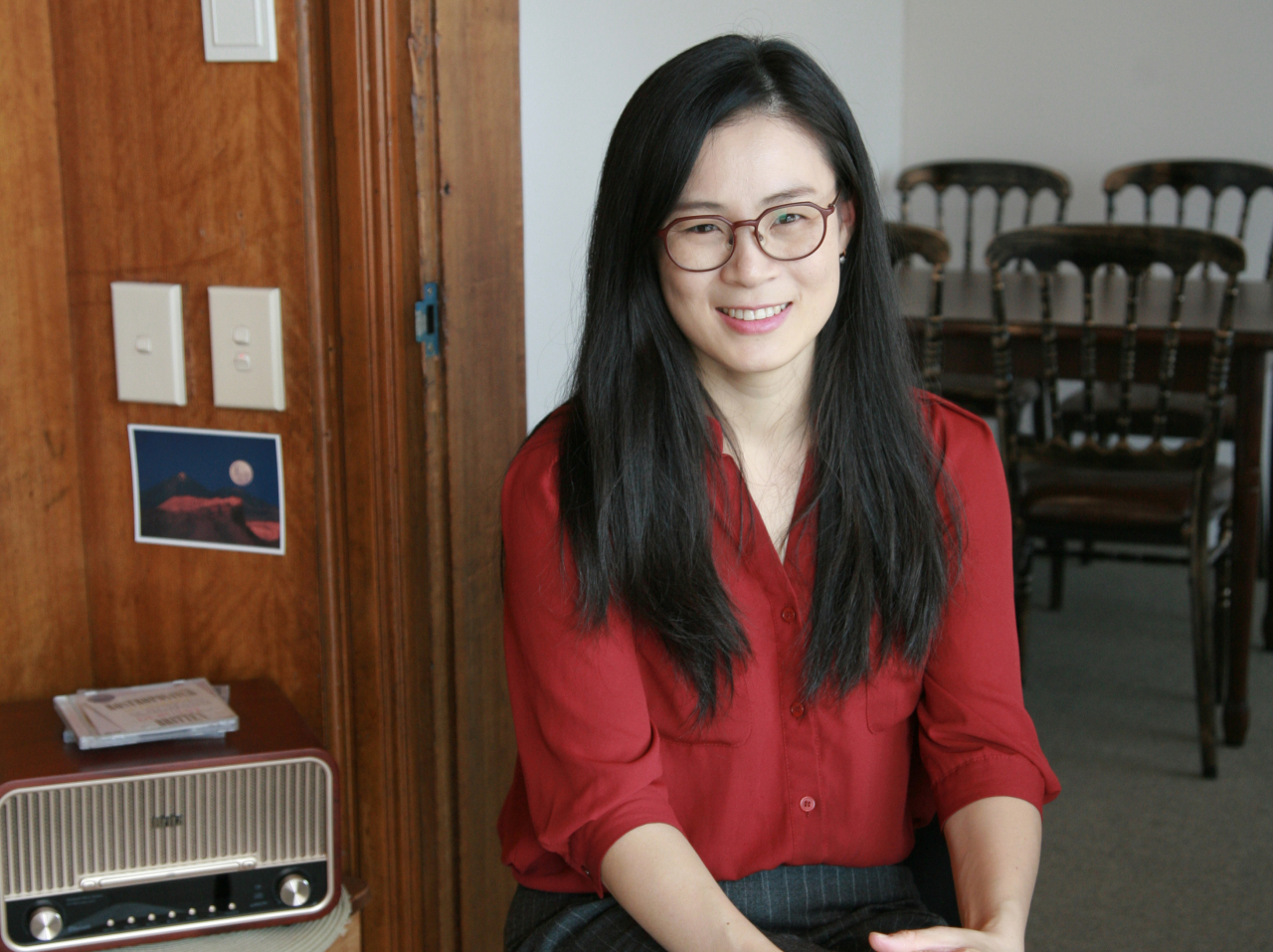
Not all rulings advanced rights: a notable “obstacle” decision by the Seoul High Court declined to treat derogatory remarks by members of the National Assembly as actionable insult or discrimination, reasoning the remarks were not directed at identifiable individuals and applying strict standards for ‘social evaluation’ harms. Disability advocates criticized this approach for effectively measuring discrimination by criminal-law thresholds and weakening the enforcement of anti-discrimination protections. The report underscores the need for continued strategic litigation and legislative or administrative reform to translate these judicial advances into broader, everyday accessibility and to counter rulings that limit the reach of anti-discrimination law.


Original source: [특집/2025년 장애인인권 디딤돌·걸림돌 판결] “장애인차별, 계속 부딪혀 장애인인권 디딤돌 판례 많이 만들어내야” (Source: the news outlet; please refer to the original article.)