
Tag

public-interest-law

Browsing

2021-03-12 11:01:48
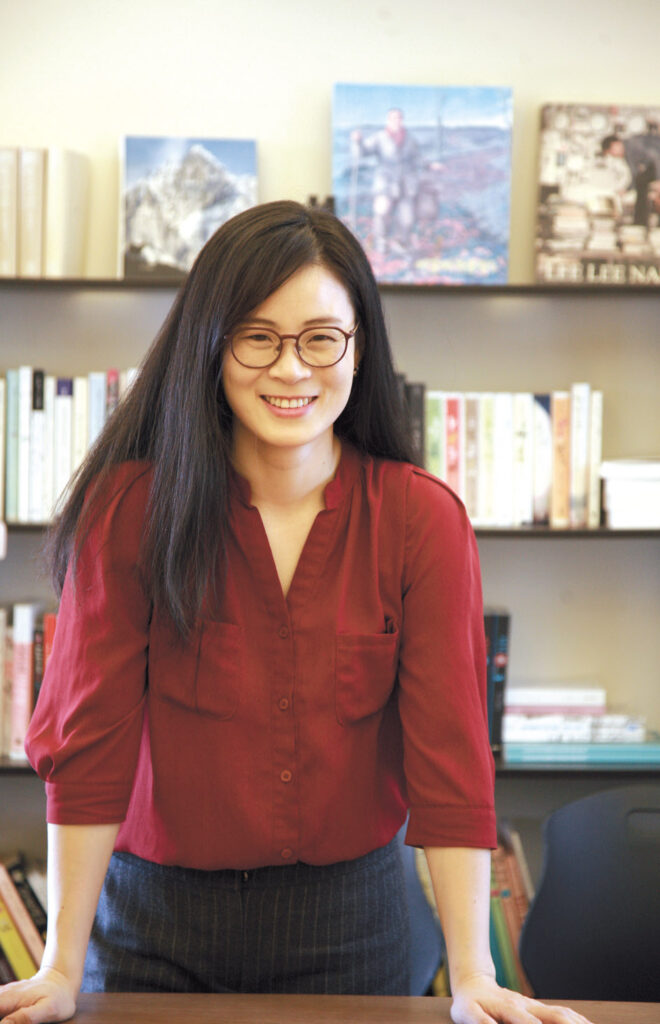
Kim Yewon, a lawyer who lost sight in one eye due to a birth-related medical incident, turned a personal experience of social stigma into a lifelong commitment to public interest law. Rather than pursuing a more lucrative private practice, she founded the Disability Rights Law Center to provide on-the-ground legal support for people with disabilities, children and women. Working between Gwangju and Seoul and running her practice from a room in her home while raising three children, Kim has handled over 1,000 legal matters, including cases of financial exploitation against intellectually disabled clients that she successfully exposed through careful evidence work.

Kim treats law as a practical tool for social change and has combined individual casework with active participation in the legislative process. Her work helped change rules to allow some visually impaired people to take a Class 1 driving test, and she contributed expert input during the legislative debate over the high-profile Jeong-in case, warning that simply increasing penalties can unintentionally harm victims by raising the burden of proof. She emphasizes that thoughtful, field-informed drafting is crucial because well-intentioned laws often shrink in effect when implemented with administrative discretion.

Despite growing public interest in minority and victim issues after headline cases, Kim notes that attention is often short-lived and implementation gaps persist—such as when laws intended to require accessibility features leave room for local authorities to opt out. Her clinic receives many inquiries but must triage cases due to limited resources; income comes mainly from lectures and government advisory work. Balancing heavy demand with family life and constrained funding, Kim remains focused on supporting the most vulnerable and pushing for laws and practices that work in reality, not just on paper.


Original source: “인권, 거창함 경계…누구나 알지만 지속이 힘든 삶의 이야기죠” [피플 & 스토리-장애인권법센터 김예원 변호사] (Source: the news outlet; please refer to the original article.)
2019.04.04 15:25
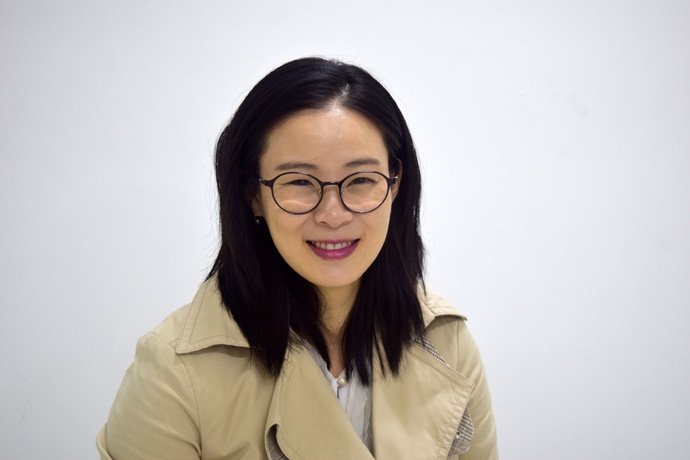
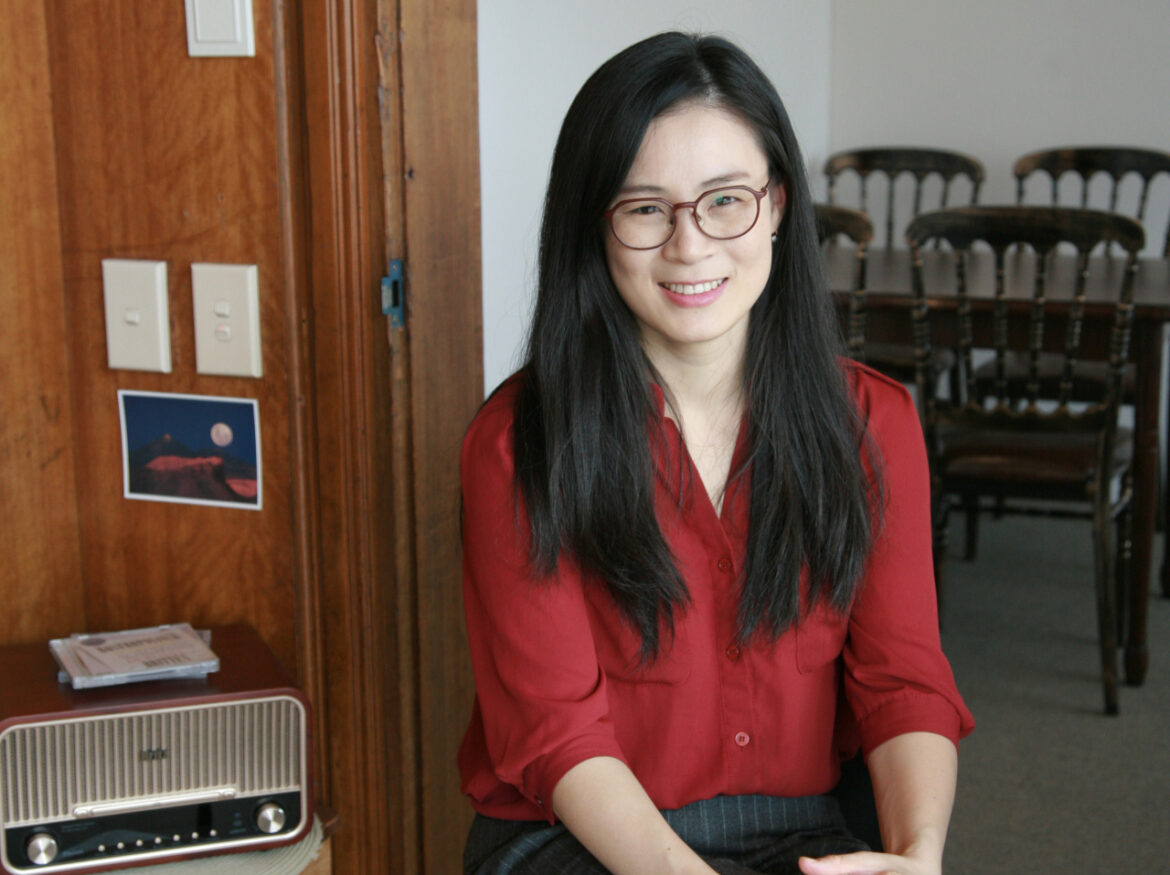
Kim Ye-won, a busy disability-rights lawyer and founder of the Disability Rights Law Center, balances a demanding professional life with caring for three children. Recognized with multiple awards and the recent book ‘누구나 꽃이 피었습니다’ that aims to popularize disability rights, she travels nationwide to represent victims, often working under difficult conditions (from writing filings on trains to conducting phone consultations in unheated rooms) while remaining resolute and upbeat about her mission.

Her commitment to disability rights deepened after handling the notorious Wonju Gurae ‘‘Sarang’s House’ case, in which dozens of people with disabilities suffered long-term abuse, confinement and disappearance. The shocking details and the light sentencing of the perpetrator provoked a deep sense of outrage in Kim and convinced her that litigation and public advocacy were necessary to protect vulnerable people and expose systemic failures in care and oversight.

Dissatisfied with limits on public institutions, Kim established the Disability Rights Law Center in 2017 to provide more mobile, accessible legal help beyond Seoul and to reach victims who do not know how or where to report abuses. She has handled over a thousand consultations, serves as a steadfast legal companion for clients, and focuses on achieving systemic change and practical remedies—even when immediate legal options are limited—so that victims can rebuild their lives and future harms can be prevented.


Original source: 장애 차별에 분노하는 변호사, ‘장애인권’을 말하다 (Source: the news outlet; please refer to the original article.)
2021-03-12 09:02:01
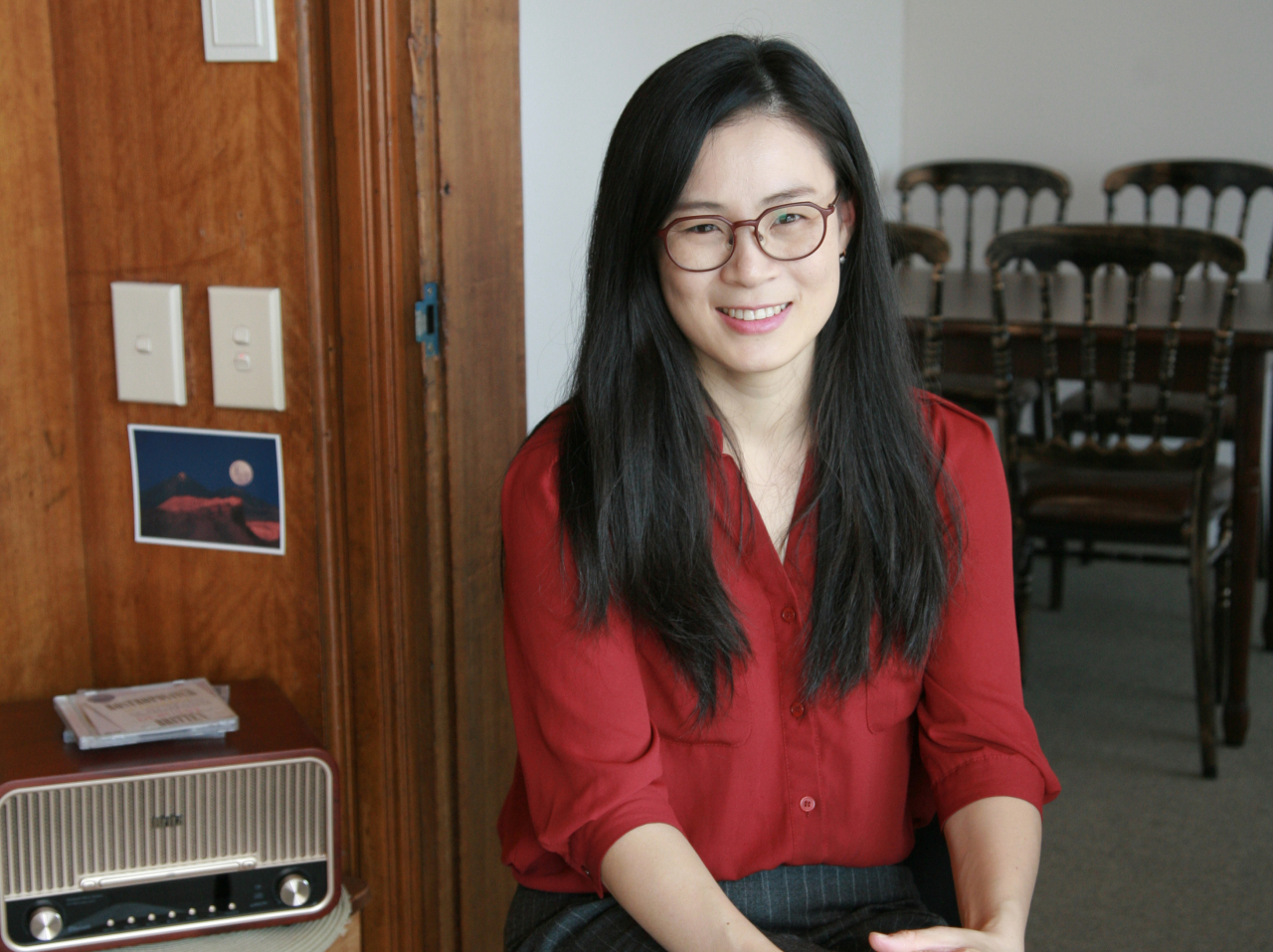
Kim Ye‑won is a veteran public-interest lawyer who has handled more than 1,000 cases for people with disabilities, women and children. Born with a medical injury that cost her one eye, she says she rarely felt personally discriminated against but came to recognize that disability is shaped by social evaluation. Working from a small home office while raising three children and commuting between Gwangju and Seoul, Kim takes on difficult on-the-ground cases—one notable client was an intellectually disabled man whose life savings were siphoned off and whose transaction records included purchases he never made—leading to criminal complaints and corrective action.

Rather than practicing in corporate settings, Kim founded and runs a disability-rights law center to meet clients in the field and to shape practical policy. She helped change rules so some visually impaired people can take a Class 1 driving test and played a leading role in drafting responses to high-profile child-abuse cases. On legislation she urges caution: simply raising penalties can deepen victims’ burdens because higher sentences raise evidentiary thresholds. Her approach emphasizes laws that reflect frontline realities and protect victims in practice, not just on paper.

Kim welcomes the growing public attention to marginalized groups but worries that media-driven interest is often short-lived and that poorly drafted laws fail at enforcement. She notes concrete implementation problems—such as ambiguous exemptions for road-occupation fees that undercut a law’s intent to require ramps—and stresses sustained, field-informed reform. With limited resources, most of her income comes from lectures and government consultations; she concentrates on the hardest cases and argues that the law, when grounded in real experience, is a vital tool for social change.


Original source: “소수자에 대한 관심 늘어나 반갑지만 수명 짧아 아쉬워” [피플앤스토리] (Source: the news outlet; please refer to the original article.)