

Tag

accessibility

Browsing

2022.05.04 07:00
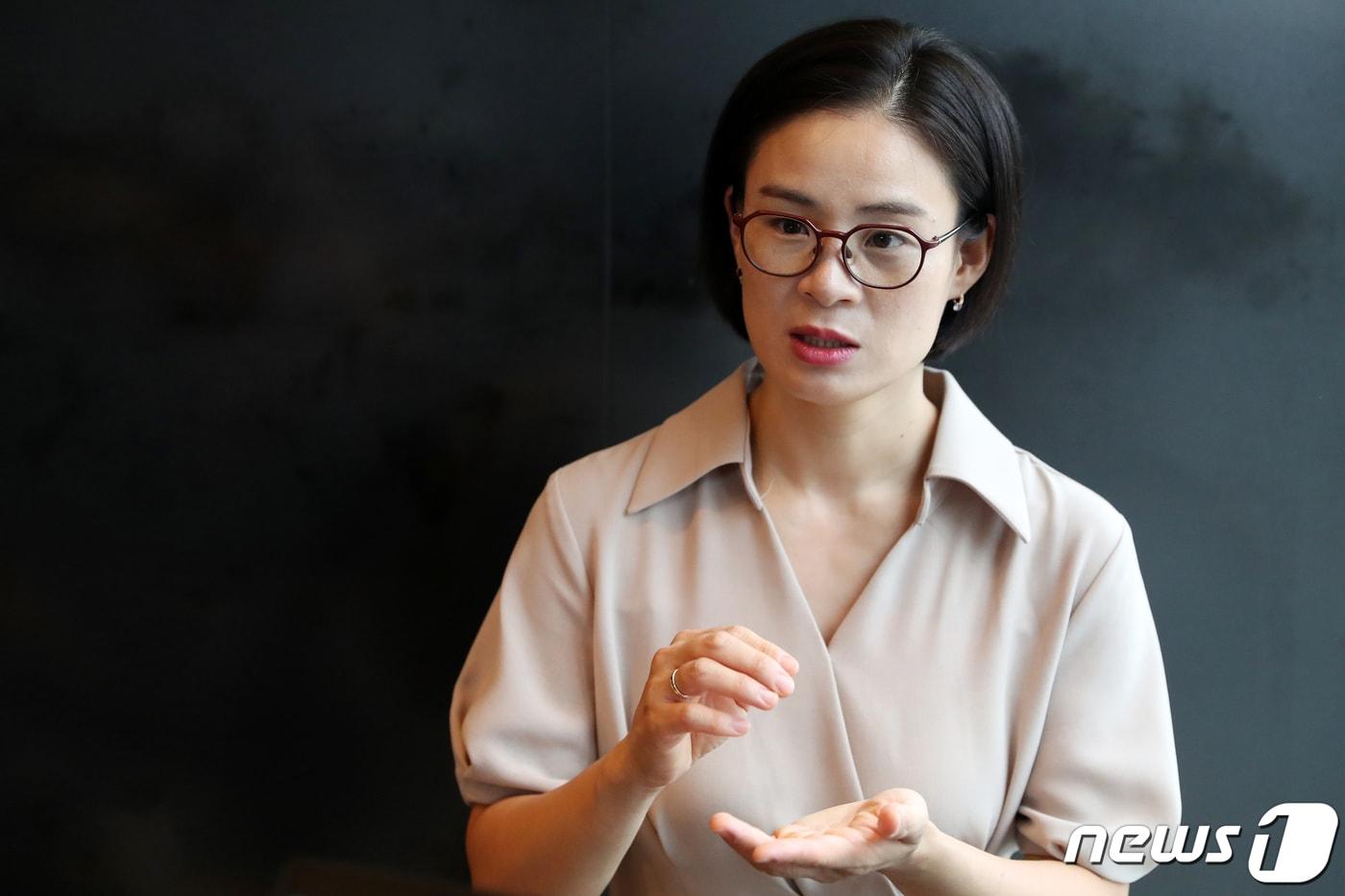
Kim Ye-won is a disability rights lawyer and a visually impaired survivor who lost an eye in a medical incident. Working at the Disability Rights Law Center, she became an outspoken advocate because she was outraged that society routinely ignores people who cannot easily speak for themselves. Kim has spoken publicly on heated national debates—such as subway protests led by disability activists and the recent overhaul of prosecutorial powers—and has written a book reflecting on everyday violences that wound marginalized people.

On criminal justice reform, Kim rejects the current “complete removal of prosecution’s investigative powers” approach (commonly debated as 검수완박) as a flawed outcome that could disadvantage ordinary citizens. She supports the principle of separating investigation and prosecution, but argues the real reform should restore prosecutorial investigative supervision while making police the primary first-responders. That supervisory “double-check” would protect victims who find it difficult to pursue appeals: Kim notes only a small fraction of police non-prosecution decisions are contested, leaving many aggrieved citizens without effective remedies.

Kim defends disability-led protests—such as actions by the National Solidarity for the Elimination of Disability Discrimination (Jeonjangyeon)—as necessary to expose persistent barriers to mobility, and criticizes political leaders for stoking blame instead of seeking solutions. She points out that Korea’s Disability Discrimination Act already requires reasonable accommodations, but implementation fails mainly for lack of political will and funding. Kim urges policymakers to invest in accessible infrastructure, stop weaponizing public frustration for political gain, and cultivate solidarity so that disabled people’s dignity and practical rights can be restored; her book and legal work stem from that conviction that change is possible when society chooses to act.


Original source: [피플&포커스] 거침없이 외치는 변호사 김예원 “약자 목소리 외면에 ‘분노’” (Source: the news outlet; please refer to the original article.)
2022.07.26 10:54
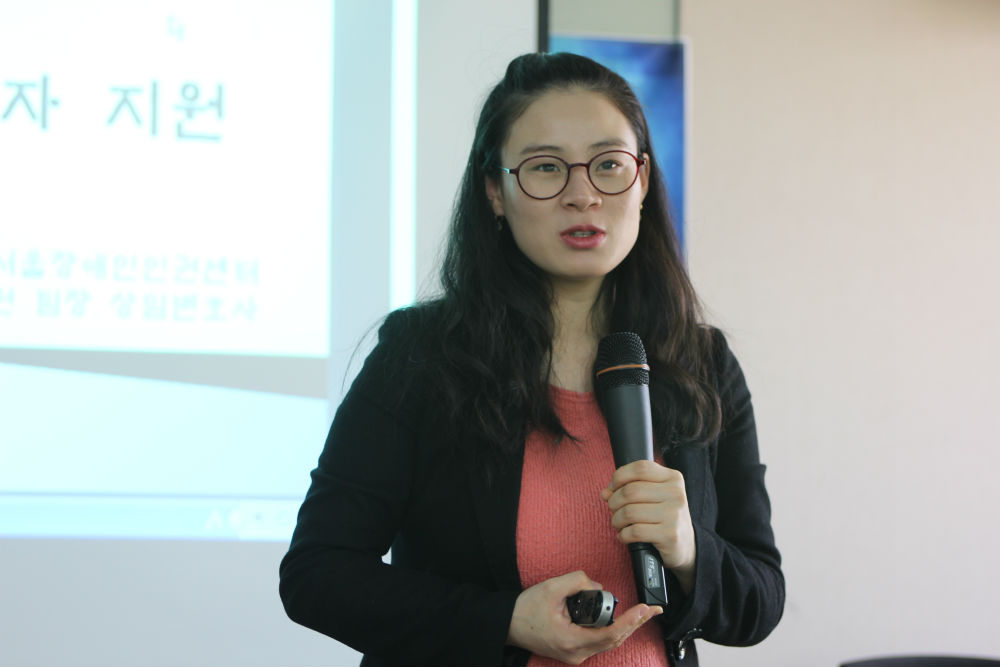
Korean attorney Kim Ye-won, often compared to the hit drama character Woo Young-woo, has turned personal hardship into a career defending disabled victims. Born with vision loss from a medical accident, she worked at a major law firm’s public foundation before leaving to provide frontline legal help. In 2017 she founded the Disability Rights Law Center to offer early, on-the-ground intervention and free legal representation to people with disabilities who face extreme abuse and neglect.

Kim’s pro bono practice has handled harrowing cases — developmental disabled people subjected to sexual exploitation by neighbors or family, long-term labor trafficking, and victims rescued from unregistered facilities. She emphasizes early intervention and basic stability: securing safe housing and psychological support so survivors can begin to speak about abuse and pursue justice. Kim combines legal advocacy with direct care, sometimes inviting traumatized clients to her home to help them regain trust and safety, and she supports her work through speaking, writing, and commissioned research.

Beyond individual cases, Kim has influenced policy and public awareness: she led changes improving web accessibility for visually impaired users and helped open access to class-1 driving tests for people with visual impairments, earning official commendations and the inaugural Kwak Jeong-sook human rights award. She has served on multiple government and civic human-rights committees and defends disability movements calling for mobility rights. Her own experiences with school bullying and prejudice inform a pragmatic, survivor-centered approach that blends legal action with concrete supports to restore dignity and autonomy to disabled people.


Original source: 전교 왕따·시각장애 여중생, ‘현실판 우영우’로…그를 바꾼 ‘1진들’ (Source: the news outlet; please refer to the original article.)
2015.12.14 09:39 article
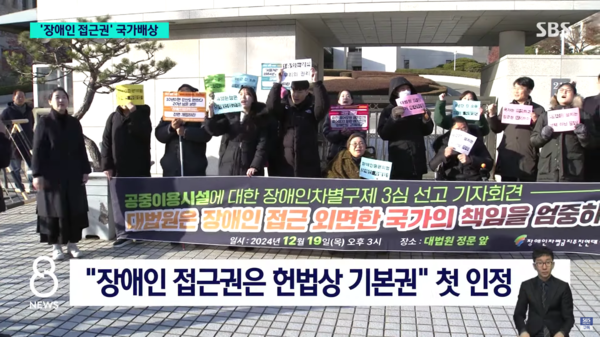
At a recent training hosted by the Korean Bar Association, Kim Ye-won, team leader and attorney at the Seoul Disability Human Rights Center, highlighted the everyday ways people with disabilities face hidden discrimination. She cited concrete examples—students denied admission because there are no special classes, buildings accessible only by stairs, and refusals to provide reasonable accommodations—and stressed that such barriers are widespread despite existing laws.

Kim reviewed the Disability Discrimination Prevention and Remedies Act, which forbids discrimination across employment, education, goods and services, legal/administrative procedures, voting, family and welfare, health care, and protections for women and children with disabilities. In practice, however, discrimination persists through cost-cutting hiring practices, sexual harassment, lack of accessibility, and various abuses in residential facilities (assault, sexual violence, embezzlement, neglect, and violations of autonomy). She recommended remedies including reporting to the Seoul Disability Human Rights Center (1644-0420), filing complaints with the National Human Rights Commission (1331), and pursuing civil or criminal litigation when appropriate.

For institutions and facility operators, Kim advised documenting confirmed abuses, taking disciplinary action, requesting investigations by human rights bodies or local centers, and providing prevention training to all staff. She also urged consulting relevant officials by phone or email when situations are unclear. Kim closed with a reminder that disability is exacerbated by a non-inclusive society and called for removing social discrimination that makes life harder for people with disabilities. Other speakers at the session included Park Kim Young-hee and attorney Lee Sang-min.


Original source: “장애인 불편하게 만드는 사회적 차별 방지해야” (Source: the news outlet; please refer to the original article.)

Not all rulings advanced rights: a notable “obstacle” decision by the Seoul High Court declined to treat derogatory remarks by members of the National Assembly as actionable insult or discrimination, reasoning the remarks were not directed at identifiable individuals and applying strict standards for ‘social evaluation’ harms. Disability advocates criticized this approach for effectively measuring discrimination by criminal-law thresholds and weakening the enforcement of anti-discrimination protections. The report underscores the need for continued strategic litigation and legislative or administrative reform to translate these judicial advances into broader, everyday accessibility and to counter rulings that limit the reach of anti-discrimination law.


Original source: [특집/2025년 장애인인권 디딤돌·걸림돌 판결] “장애인차별, 계속 부딪혀 장애인인권 디딤돌 판례 많이 만들어내야” (Source: the news outlet; please refer to the original article.)