Tag

disability-rights

Browsing

2022.05.04 07:00
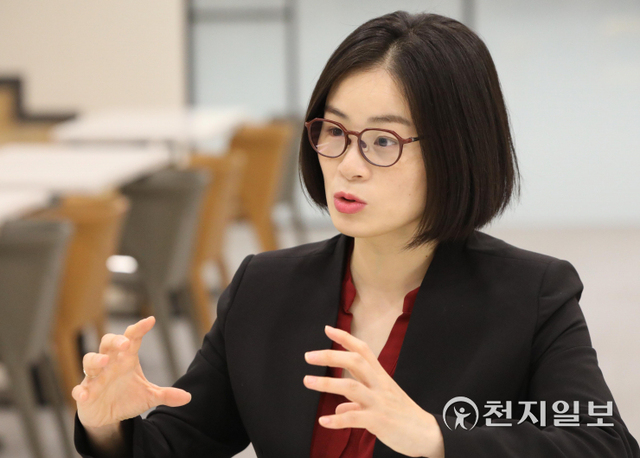
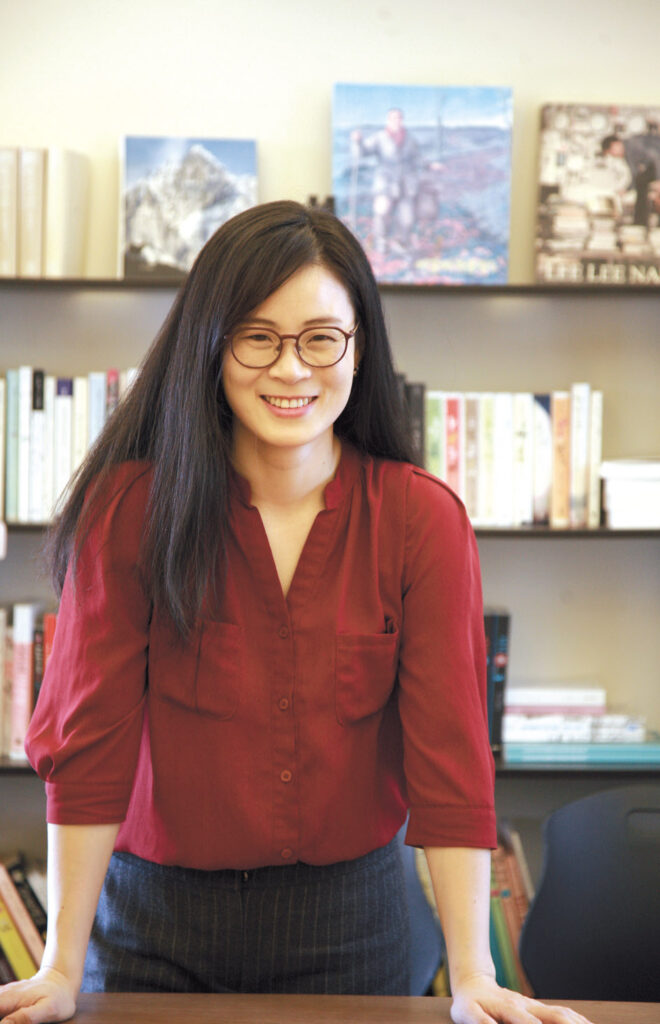
Kim Ye-won is a disability rights lawyer and a visually impaired survivor who lost an eye in a medical incident. Working at the Disability Rights Law Center, she became an outspoken advocate because she was outraged that society routinely ignores people who cannot easily speak for themselves. Kim has spoken publicly on heated national debates—such as subway protests led by disability activists and the recent overhaul of prosecutorial powers—and has written a book reflecting on everyday violences that wound marginalized people.

On criminal justice reform, Kim rejects the current “complete removal of prosecution’s investigative powers” approach (commonly debated as 검수완박) as a flawed outcome that could disadvantage ordinary citizens. She supports the principle of separating investigation and prosecution, but argues the real reform should restore prosecutorial investigative supervision while making police the primary first-responders. That supervisory “double-check” would protect victims who find it difficult to pursue appeals: Kim notes only a small fraction of police non-prosecution decisions are contested, leaving many aggrieved citizens without effective remedies.

Kim defends disability-led protests—such as actions by the National Solidarity for the Elimination of Disability Discrimination (Jeonjangyeon)—as necessary to expose persistent barriers to mobility, and criticizes political leaders for stoking blame instead of seeking solutions. She points out that Korea’s Disability Discrimination Act already requires reasonable accommodations, but implementation fails mainly for lack of political will and funding. Kim urges policymakers to invest in accessible infrastructure, stop weaponizing public frustration for political gain, and cultivate solidarity so that disabled people’s dignity and practical rights can be restored; her book and legal work stem from that conviction that change is possible when society chooses to act.


Original source: [피플&포커스] 거침없이 외치는 변호사 김예원 “약자 목소리 외면에 ‘분노’” (Source: the news outlet; please refer to the original article.)
2018.10.14 11:27
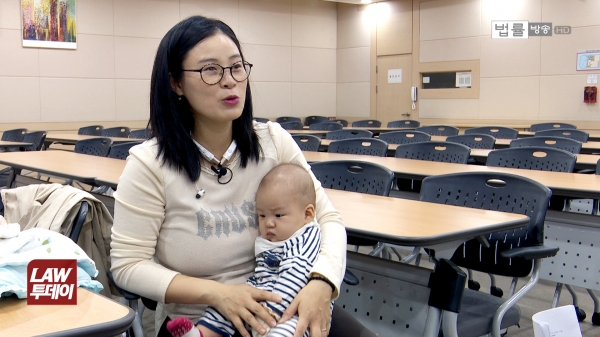
Attorney Kim Yewon made headlines after attending a public forum and courtroom appearances with her roughly 100-day-old baby in tow. Judges and colleagues were reportedly surprised — sometimes asking why she was there — but Kim explains she had little choice: as a public-interest lawyer representing criminal victims, court dates are set around clients and cannot easily be postponed, and self-employed lawyers lack the social protections that would make leave or childcare feasible. In practice she balances short courtroom appearances, quieting her child between statements, and leaving more intensive parts like witness examinations to times when childcare is available.

Her experience highlights broader gaps in Korea’s childcare and labor systems. Although some public childcare programs list preferences for larger families, caregiver matching often leaves those households underserved because individual providers can refuse assignments; the result is long waits or effectively having to give up. Kim points to the need for both reliable institutional childcare (similar to France’s crèche system) and stronger income supports so families and parents can meaningfully choose whether to work or provide full-time care without facing economic ruin.

Beyond her personal story, Kim founded and runs the Disability Rights Law Center, providing legal aid to people whose rights were violated because of disability — especially those with little or no support network, including disabled children, women, and people with developmental or mental disabilities. Her practice combines individual representation in sexual-violence and abuse cases with advocacy for systemic reform to remove institutional barriers, and she calls for more responsible media language and policies that protect victims while expanding real choices for working parents.


Original source: “판사님들이 ‘어떤 일로 오셨냐’ 물어요”… 아기 안고 법정 출석 김예원 변호사 인터뷰 일문일답 (Source: the news outlet; please refer to the original article.)
2021-03-12 11:01:48
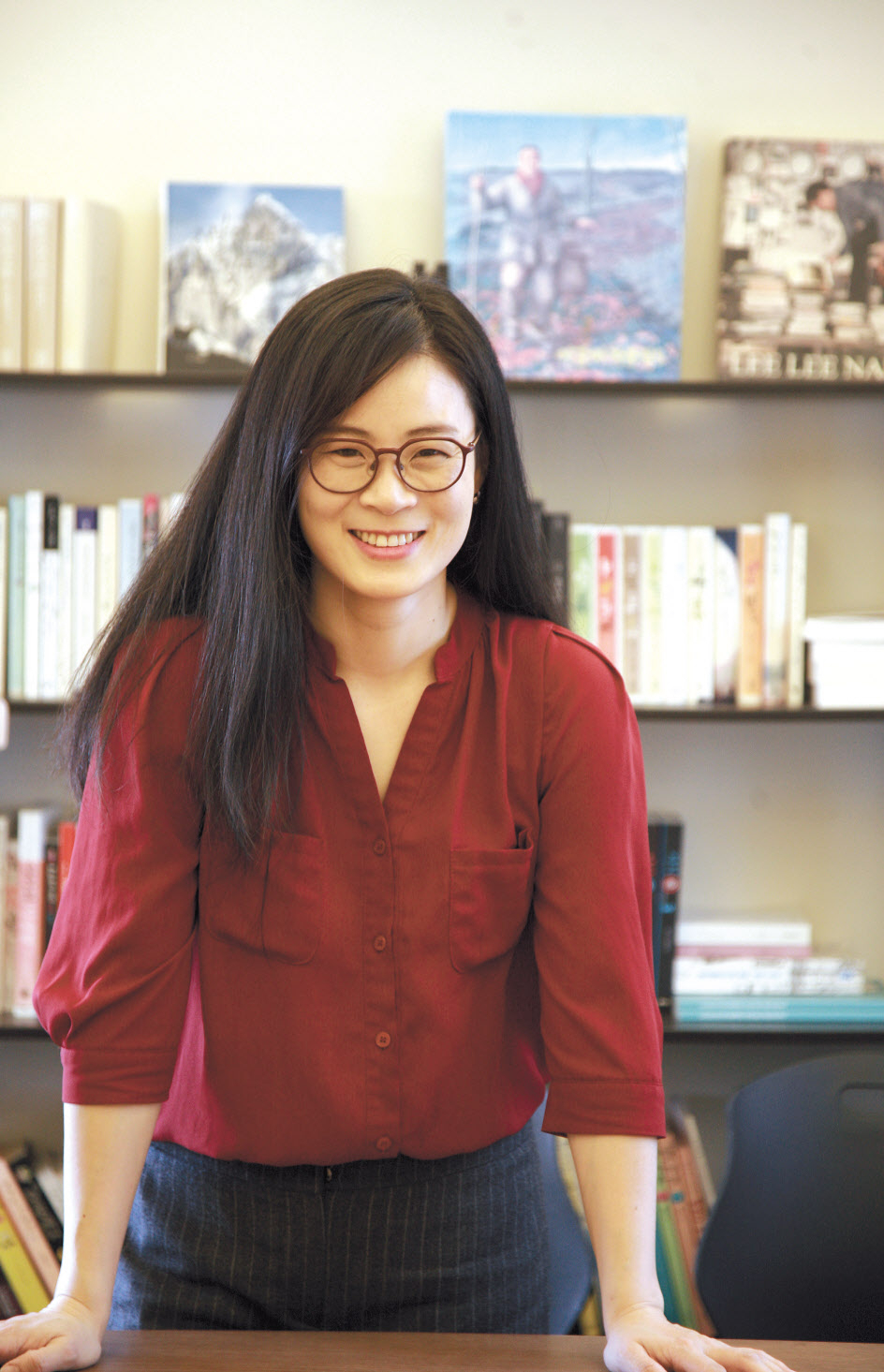
Kim Yewon, a lawyer who lost sight in one eye due to a birth-related medical incident, turned a personal experience of social stigma into a lifelong commitment to public interest law. Rather than pursuing a more lucrative private practice, she founded the Disability Rights Law Center to provide on-the-ground legal support for people with disabilities, children and women. Working between Gwangju and Seoul and running her practice from a room in her home while raising three children, Kim has handled over 1,000 legal matters, including cases of financial exploitation against intellectually disabled clients that she successfully exposed through careful evidence work.

Kim treats law as a practical tool for social change and has combined individual casework with active participation in the legislative process. Her work helped change rules to allow some visually impaired people to take a Class 1 driving test, and she contributed expert input during the legislative debate over the high-profile Jeong-in case, warning that simply increasing penalties can unintentionally harm victims by raising the burden of proof. She emphasizes that thoughtful, field-informed drafting is crucial because well-intentioned laws often shrink in effect when implemented with administrative discretion.

Despite growing public interest in minority and victim issues after headline cases, Kim notes that attention is often short-lived and implementation gaps persist—such as when laws intended to require accessibility features leave room for local authorities to opt out. Her clinic receives many inquiries but must triage cases due to limited resources; income comes mainly from lectures and government advisory work. Balancing heavy demand with family life and constrained funding, Kim remains focused on supporting the most vulnerable and pushing for laws and practices that work in reality, not just on paper.


Original source: “인권, 거창함 경계…누구나 알지만 지속이 힘든 삶의 이야기죠” [피플 & 스토리-장애인권법센터 김예원 변호사] (Source: the news outlet; please refer to the original article.)

2018-04-18 21:21
Seoul honored blind human rights lawyer Kim Ye-won with its Human Rights Welfare Grand Prize in recognition of her sustained efforts to advance disability rights. A former staffer at the Dongcheon Foundation, Kim has worked on behalf of social minorities and served as the standing counsel at the Seoul Disability Rights Center since 2014. She also founded the Disability Rights Law Center early last year, further institutionalizing legal support for people with disabilities.

The city also recognized other contributors to disability welfare: Dr. Lee Geung-ho, founder of The Smile Dental Clinic, received the top award in the disability welfare support category for running a specialized dental center and providing pro bono care. In the disability self-advocacy category, Hong Seo-yoon, president of the Korea Disabled Tourism Association, was honored for leadership in promoting accessible travel and inclusion for people with disabilities.

The awards were presented at the “Together Seoul Nuri Festival” held at SETEC in Gangnam, highlighting Seoul’s efforts to celebrate Disability Day and spotlight practical initiatives that improve rights, services, and social participation for people with disabilities. The ceremony underscored the role of legal advocacy, medical volunteerism, and sector-specific leadership in driving more inclusive policies and everyday access across the city.


Original source: 장애인의 날 기념 인권 복지상 대상에 김예원씨 (Source: the news outlet; please refer to the original article.)
2019.04.04 15:25
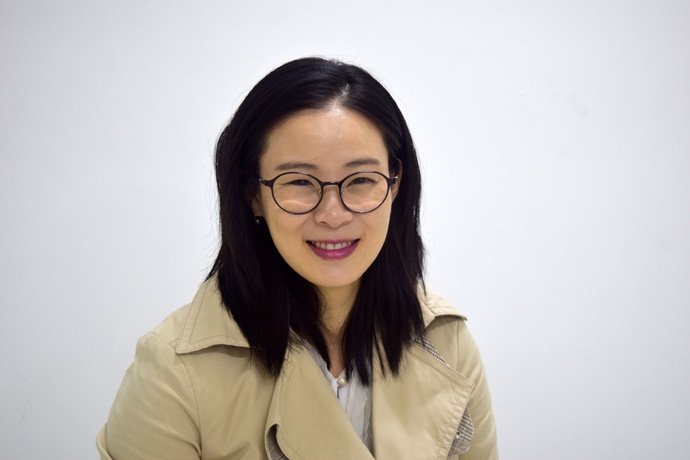
Kim Ye-won, a busy disability-rights lawyer and founder of the Disability Rights Law Center, balances a demanding professional life with caring for three children. Recognized with multiple awards and the recent book ‘누구나 꽃이 피었습니다’ that aims to popularize disability rights, she travels nationwide to represent victims, often working under difficult conditions (from writing filings on trains to conducting phone consultations in unheated rooms) while remaining resolute and upbeat about her mission.

Her commitment to disability rights deepened after handling the notorious Wonju Gurae ‘‘Sarang’s House’ case, in which dozens of people with disabilities suffered long-term abuse, confinement and disappearance. The shocking details and the light sentencing of the perpetrator provoked a deep sense of outrage in Kim and convinced her that litigation and public advocacy were necessary to protect vulnerable people and expose systemic failures in care and oversight.

Dissatisfied with limits on public institutions, Kim established the Disability Rights Law Center in 2017 to provide more mobile, accessible legal help beyond Seoul and to reach victims who do not know how or where to report abuses. She has handled over a thousand consultations, serves as a steadfast legal companion for clients, and focuses on achieving systemic change and practical remedies—even when immediate legal options are limited—so that victims can rebuild their lives and future harms can be prevented.


Original source: 장애 차별에 분노하는 변호사, ‘장애인권’을 말하다 (Source: the news outlet; please refer to the original article.)
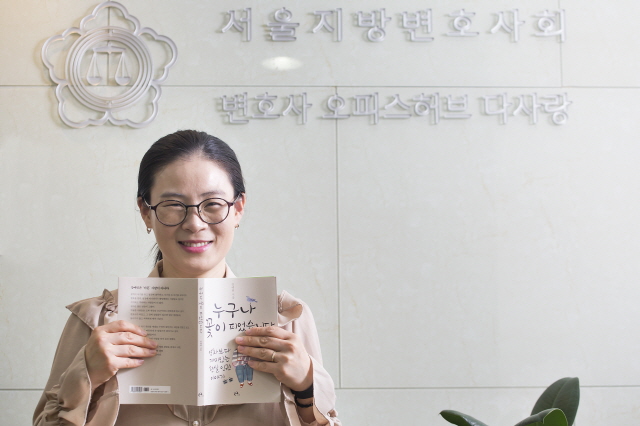
Kim Ye-won is a one-person public-interest lawyer running the Disability Rights Law Center, who provides free representation to people with disabilities across criminal, administrative and civil cases. She handles heavy caseloads alone—recently supporting dozens of cases in months—and combines individual litigation with systemic projects such as producing legal support manuals for abuse victims, pushing for regulatory changes in disability sports, and campaigning for revisions to sexual protection laws for children and youth. Her record includes landmark successes: persuading the Supreme Court to recognize a prosthetic leg’s damage as an occupational injury, securing a law change to allow one-eyed applicants to take a class-1 driving test, and winning awards for human-rights advocacy.


Original source: [공변이 사는 法] “장애인 인권 보호, 거창한 법보다 사회 인식 전환이 우선이죠” – 더나은미래 (Source: the news outlet; please refer to the original article.)
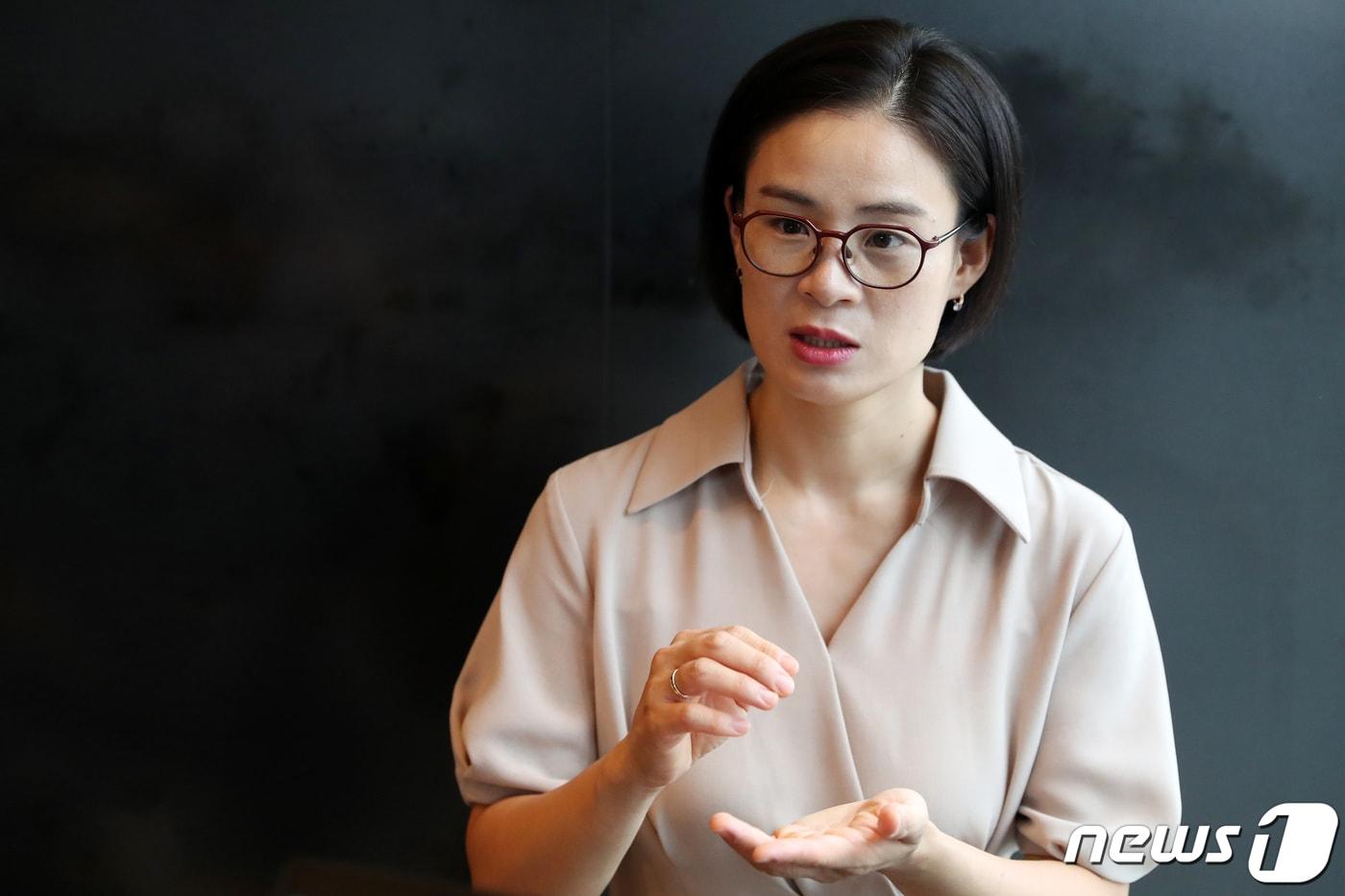
2022.07.26 10:54
Korean attorney Kim Ye-won, often compared to the hit drama character Woo Young-woo, has turned personal hardship into a career defending disabled victims. Born with vision loss from a medical accident, she worked at a major law firm’s public foundation before leaving to provide frontline legal help. In 2017 she founded the Disability Rights Law Center to offer early, on-the-ground intervention and free legal representation to people with disabilities who face extreme abuse and neglect.

Kim’s pro bono practice has handled harrowing cases — developmental disabled people subjected to sexual exploitation by neighbors or family, long-term labor trafficking, and victims rescued from unregistered facilities. She emphasizes early intervention and basic stability: securing safe housing and psychological support so survivors can begin to speak about abuse and pursue justice. Kim combines legal advocacy with direct care, sometimes inviting traumatized clients to her home to help them regain trust and safety, and she supports her work through speaking, writing, and commissioned research.

Beyond individual cases, Kim has influenced policy and public awareness: she led changes improving web accessibility for visually impaired users and helped open access to class-1 driving tests for people with visual impairments, earning official commendations and the inaugural Kwak Jeong-sook human rights award. She has served on multiple government and civic human-rights committees and defends disability movements calling for mobility rights. Her own experiences with school bullying and prejudice inform a pragmatic, survivor-centered approach that blends legal action with concrete supports to restore dignity and autonomy to disabled people.


Original source: 전교 왕따·시각장애 여중생, ‘현실판 우영우’로…그를 바꾼 ‘1진들’ (Source: the news outlet; please refer to the original article.)
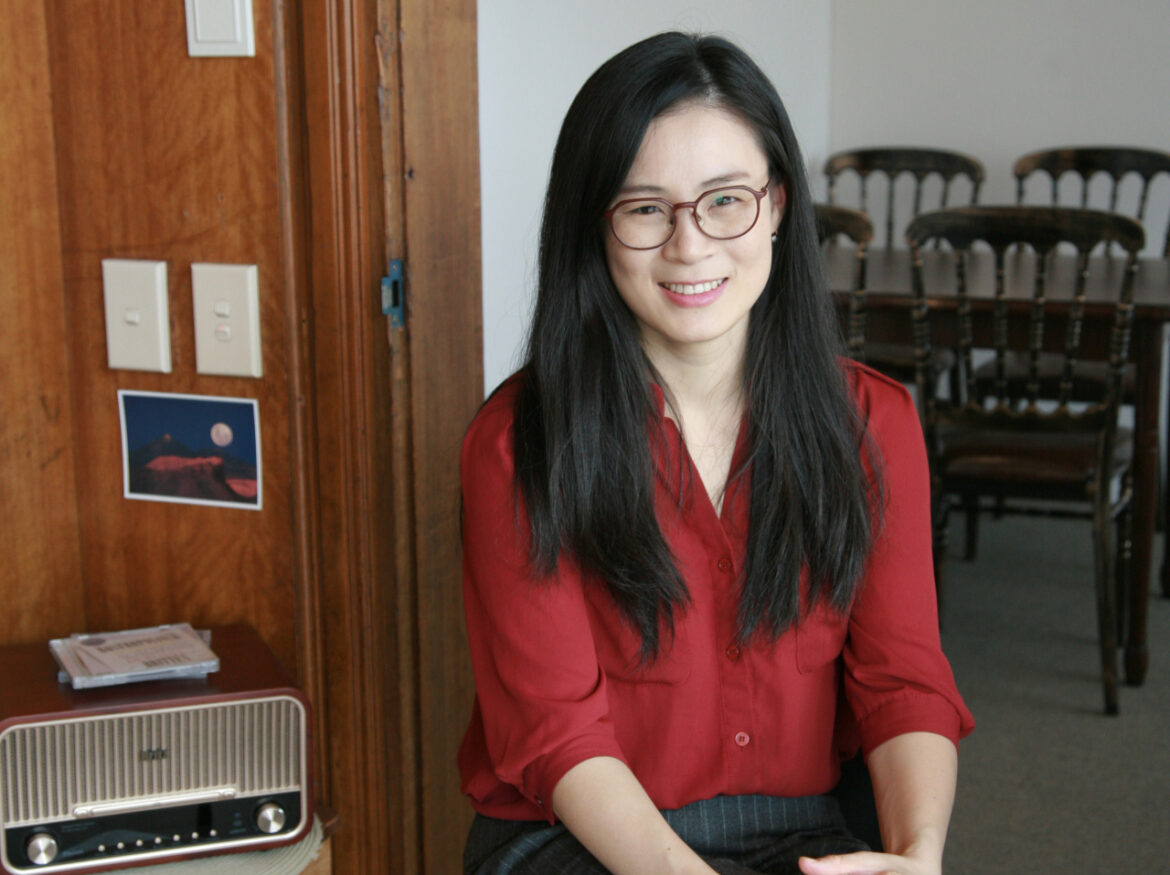
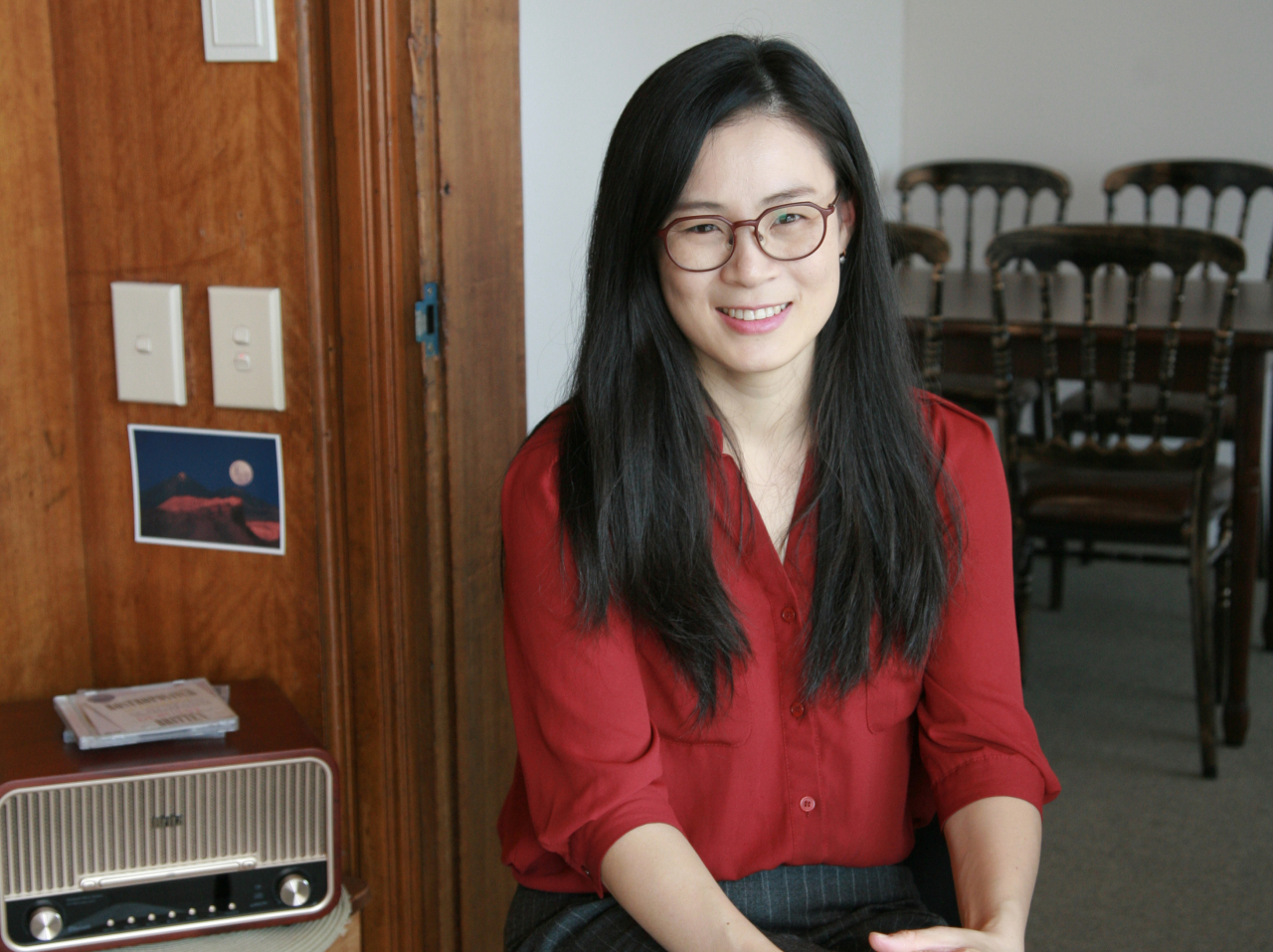
2021-03-12 09:02:01
Kim Ye‑won is a veteran public-interest lawyer who has handled more than 1,000 cases for people with disabilities, women and children. Born with a medical injury that cost her one eye, she says she rarely felt personally discriminated against but came to recognize that disability is shaped by social evaluation. Working from a small home office while raising three children and commuting between Gwangju and Seoul, Kim takes on difficult on-the-ground cases—one notable client was an intellectually disabled man whose life savings were siphoned off and whose transaction records included purchases he never made—leading to criminal complaints and corrective action.

Rather than practicing in corporate settings, Kim founded and runs a disability-rights law center to meet clients in the field and to shape practical policy. She helped change rules so some visually impaired people can take a Class 1 driving test and played a leading role in drafting responses to high-profile child-abuse cases. On legislation she urges caution: simply raising penalties can deepen victims’ burdens because higher sentences raise evidentiary thresholds. Her approach emphasizes laws that reflect frontline realities and protect victims in practice, not just on paper.

Kim welcomes the growing public attention to marginalized groups but worries that media-driven interest is often short-lived and that poorly drafted laws fail at enforcement. She notes concrete implementation problems—such as ambiguous exemptions for road-occupation fees that undercut a law’s intent to require ramps—and stresses sustained, field-informed reform. With limited resources, most of her income comes from lectures and government consultations; she concentrates on the hardest cases and argues that the law, when grounded in real experience, is a vital tool for social change.


Original source: “소수자에 대한 관심 늘어나 반갑지만 수명 짧아 아쉬워” [피플앤스토리] (Source: the news outlet; please refer to the original article.)
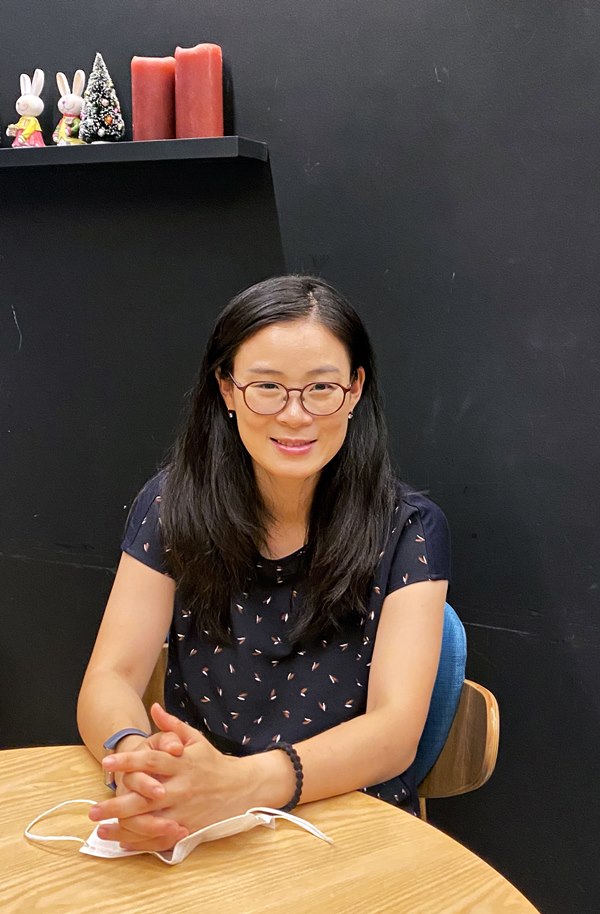
Kim Ye-won, founder and sole operator of the non‑profit Disability Rights Law Center, has spent her legal career representing people who cannot advocate for themselves — pro bono. Though she was born with the loss of one eye, Kim says she only recognized the depth of systemic discrimination after becoming a lawyer. Her work combines individual litigation with policy research and institutional reform to protect the rights and dignity of marginalized groups.

High‑profile abuse and embezzlement cases, including the 2012 Wonju Girae Sarang’s House and the 2013 Hongcheon Siloam Pond House, convinced Kim that confronting direct violence is only part of the task. Many clients face severe communication barriers, so she insists on exhausting all methods to obtain testimony and access to justice — even using iris‑recognition technology to capture the statement of a client with profound motor and speech impairments when conventional methods failed.

Beyond litigation, Kim urges a shift in language and attitudes: replace the term “socially weak” with “social minorities” to avoid defining people by helplessness. She stresses the importance of equal, not patronizing, communication — for example, allowing visually impaired people to state their preferred mode of assistance — and envisions a society where diverse voices are heard and each person’s agency is respected.


Original source: “‘사회적 약자’ 대신 ‘사회적 소수자’로 불러주세요” – 더나은미래 (Source: the news outlet; please refer to the original article.)
2018.03.30 05:20 
Kim Ye-won, a 36-year-old lawyer and the first recipient of the Gwak Jeong-sook Human Rights Award, runs the Disability Rights Law Center in Korea and dedicates her practice to clients who cannot afford legal representation. Honored in the name of a late disability rights activist, Kim says the award both humbles and motivates her to continue strengthening legal protection for people with disabilities.

Her involvement began by chance while working at the Dongcheon Foundation in 2012 and deepened after handling high-profile cases, including prosecuting embezzlement of disabled residents’ benefits and securing a Supreme Court ruling that recognized a damaged prosthetic as a work-related injury. In January last year she launched the one-person Disability Rights Law Center to provide legal aid to unrepresented disabled people, children with disabilities, women, and people with mental disabilities, and to push for systemic change through research and education.

Kim highlights urgent needs beyond litigation: rescuing abused disabled people and ensuring post-rescue support, identifying and aiding vulnerable disabled children, advancing deinstitutionalization, and making civic participation accessible. She argues for pragmatic reforms—such as including candidate photos and party logos on ballots, as in Taiwan—so people who cannot read can still vote independently. Above all, she believes change comes from awareness and familiarity, and sees measurable progress as society grows more accustomed to the presence and rights of people with disabilities.


Original source: “글 몰라도 찍게…투표 용지에 그림 넣어주세요” – 머니투데이 (Source: the news outlet; please refer to the original article.)
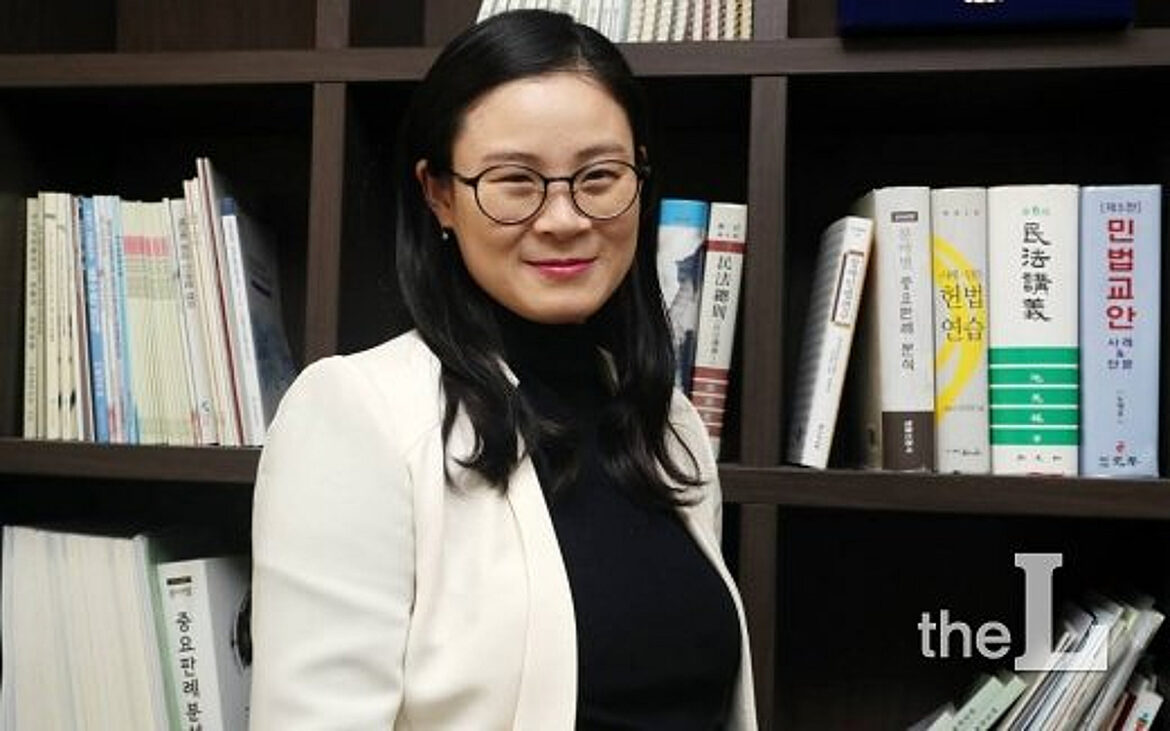
2013.12.13 19:02 article 
People with developmental disabilities are being left out of broadcast information accessibility efforts. While Korean news highlights measures for sensory disabilities—such as captioning and audio description—developmental needs like simplified language, easy-read formats, and tailored presentation are often overlooked. This gap creates a ‘‘blind spot’’ in public information environments where those with cognitive and communication differences cannot reliably access news, emergency announcements, or civic information.

Recent policy moves show both progress and persistent gaps. Items in the news include standardizing the name of disability registration documents, weekly audio-description programming schedules, and the approach of broader disability-rights legislation; yet socioeconomic indicators—like a 34% employment rate and modest average monthly wages—underscore ongoing vulnerability. Court and discrimination cases cited in coverage further reveal enforcement and implementation weaknesses that leave many without effective remedies.

Closing the gap will require coordinated action from broadcasters, regulators, and disability advocates. Practical steps include introducing easy-read and pictorial content, plain-language audio tracks, consistent audio description and captioning standards, proactive monitoring, and meaningful participation of people with developmental disabilities in design and policy decisions. These measures would improve information access, protect rights, and support fuller social and civic inclusion for a frequently overlooked population.


Original source: 방송 정보접근 사각지대에 놓인 발달장애인 (Source: the news outlet; please refer to the original article.)
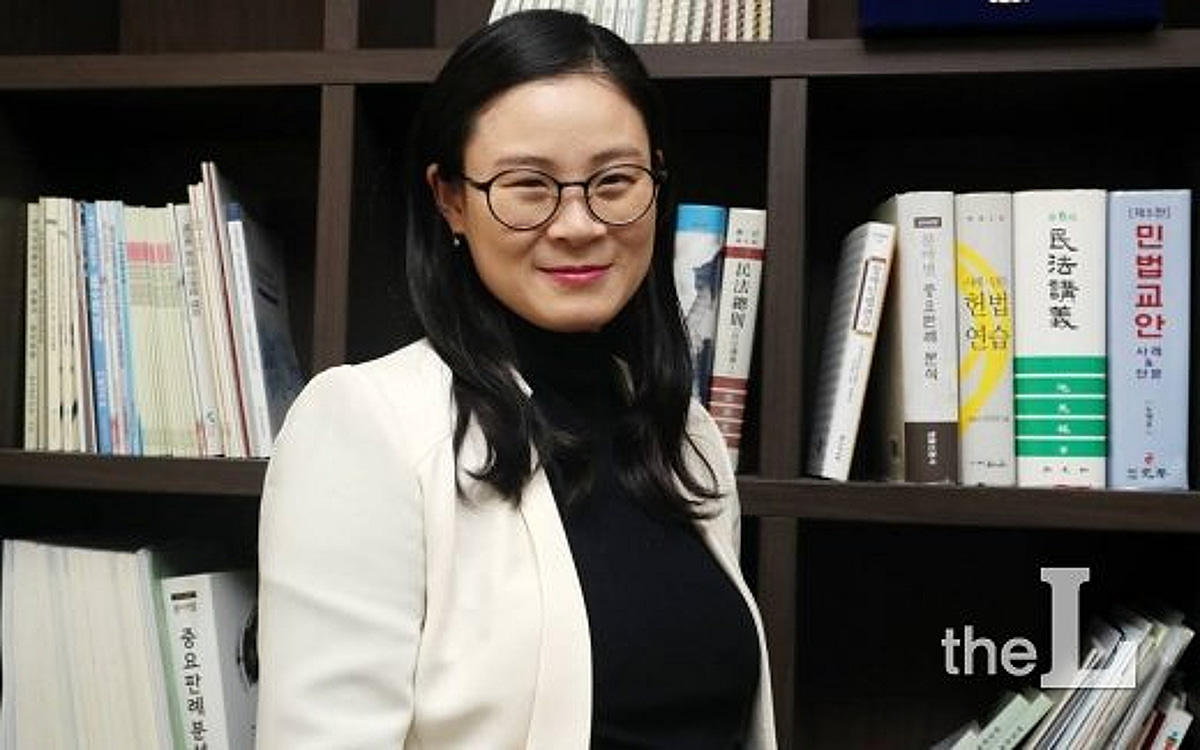
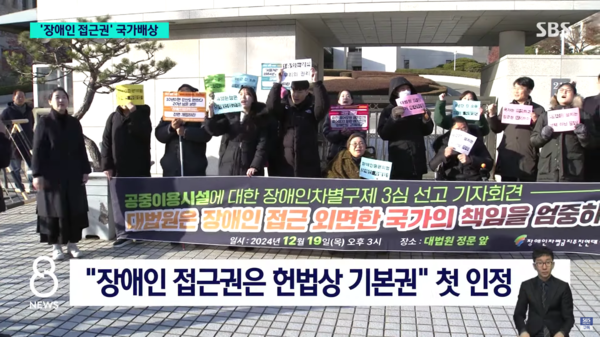
Not all rulings advanced rights: a notable “obstacle” decision by the Seoul High Court declined to treat derogatory remarks by members of the National Assembly as actionable insult or discrimination, reasoning the remarks were not directed at identifiable individuals and applying strict standards for ‘social evaluation’ harms. Disability advocates criticized this approach for effectively measuring discrimination by criminal-law thresholds and weakening the enforcement of anti-discrimination protections. The report underscores the need for continued strategic litigation and legislative or administrative reform to translate these judicial advances into broader, everyday accessibility and to counter rulings that limit the reach of anti-discrimination law.


Original source: [특집/2025년 장애인인권 디딤돌·걸림돌 판결] “장애인차별, 계속 부딪혀 장애인인권 디딤돌 판례 많이 만들어내야” (Source: the news outlet; please refer to the original article.)