Tag

Social justice

Browsing

2020-08-26 00:01
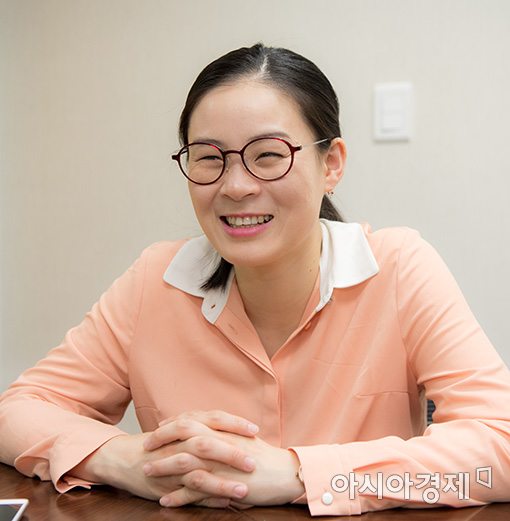
Kim Yewon is a public-interest lawyer who has devoted her career to defending people pushed to the margins—primarily people with disabilities, women, and children. Known affectionately as a ‘키다리 아줌마’ (a benefactor figure), she handles difficult, often overlooked cases that other systems leave behind, spending long hours consulting clients and connecting them with practical supports while pursuing legal remedies. She emphasizes that many people with borderline or less visible disabilities fall through social blind spots that demand sensitive, sustained intervention rather than quick fixes.

Her path into public-interest law grew from faith-based legal circles during training and early work at a major law firm’s public-interest foundation. Dissatisfied with restrictive jurisdictions and fragmented services, she left stable positions to found the nonprofit solo practice Disability Rights Law Center, where she does not charge legal fees and funds work through lectures and writing. Supported by her husband—also a legal professional—Kim balances multiple roles as a mother, center director, and activist, and has proactively earned social work and sexual-violence counseling qualifications to better support clients beyond litigation.

A person with a disability herself (she lost one eye at birth), Kim brings lived experience to policy priorities such as deinstitutionalization and reforming the disability grading system. She also works on preventing sexual violence within churches, advocating democratic communication and preventive structures rather than reactive litigation alone. Recently recognized with a public-service award, she describes her goals simply: living faithfully day by day, raising her children well, and continuing long-term work in public-interest law to ensure no one is left in a human-rights blind spot.


Original source: [나와 예수-김예원] “인권 사각지대 없도록…” ‘키다리 아줌마’ 변호사 안정 버리고 낮은 곳으로 (Source: the news outlet; please refer to the original article.)

2023.08.28 15:01
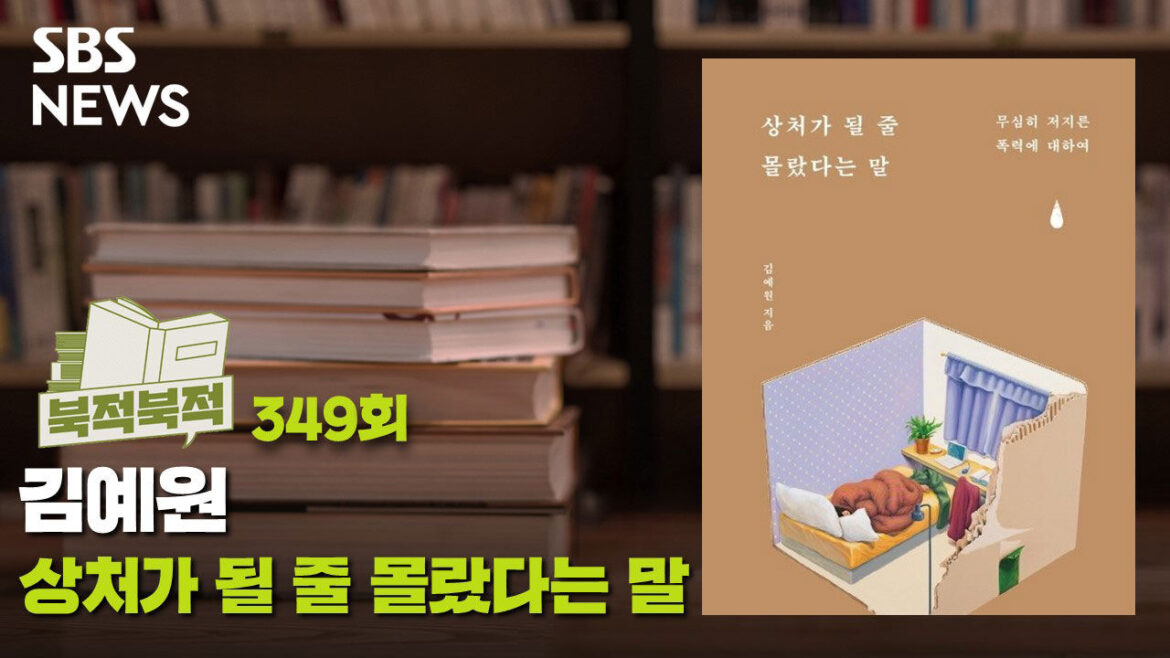
In “I Didn’t Know It Would Hurt,” public-interest lawyer Kim Ye-won—who represents and stands in solidarity with people with disabilities and other marginalized crime victims—draws readers into the lived realities of prejudice, exclusion, and everyday violence. Writing from personal and professional experience (she is visually impaired herself), Kim illustrates how thoughtless words, looks, and actions can wound, and she challenges the tendency to label disabled people as “weak” rather than as full, distinct individuals deserving of dignity and equal treatment.

The book also examines how crises like the pandemic intensified isolation for people with mobility or immune vulnerabilities and exposed gaps in legal and social protections. Kim’s candid lectures and advocacy work underline the emotional and systemic toll of exclusion while arguing for a society that recognizes ordinary humanity and equal worth. Her account emphasizes that respecting people with disabilities requires structural support as well as a cultural shift in how we see and speak about difference.

Ultimately the book is a call to action: move beyond one-off sympathy to sustained change by becoming more conscious of language and everyday behavior. Kim urges readers to reflect on moments of complicity, replace derogatory expressions with respectful ones, and support continuous disability-rights education. Small, consistent practices—choosing words carefully, acknowledging vulnerability, and standing in solidarity—are presented as the practical starting points for long-term social transformation.


Original source: 무심코 사용하는 비하의 말을 존중의 말로 (Source: the news outlet; please refer to the original article.)
2025.03.24
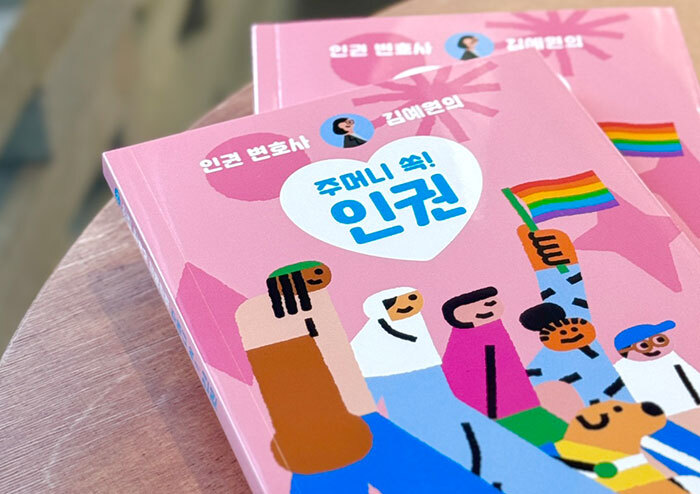
Kim Ye-won, a veteran public interest lawyer and founder of the Disability Rights Law Center, turns complex rights debates into approachable conversations in her new book, Pocket-Sized Human Rights. Known for providing free legal aid to social minorities and crime victims, she pairs frontline legal work and policy reform to address gaps in the system while also teaching and speaking to raise public sensitivity to human rights issues.

The book uses twenty questions from children to unpack everyday human rights topics, reframing rights not as abstract legalese but as the basic question: “How should people be treated?” Children’s queries repeatedly return to fairness—who gets treated equally, and why some limits are justified—making the book a clear, engaging way to explore concepts like discrimination and hate speech. Kim emphasizes that hate speech isn’t merely rude words but a force that drives people into hiding and excludes them from ordinary life.

Mindful not to be didactic, Kim wrote for young readers’ curiosity and adult reflection alike, aiming for accessible explanations that leave a lasting impact. She donated her advance to the Lighthouse Scholarship (supporting youth victims of crime), reflecting her commitment to vulnerable young people encountered through her legal work. Her central message: human rights are foundational to a sustainable society—protecting dignity helps everyone thrive—and she invites readers to engage confidently with these questions.


Original source: 사소하지만 궁금했던 ‘인권’에 관한 20가지 질문 | 예스24 채널예스 (Source: the news outlet; please refer to the original article.)
2022.07.31 07:12

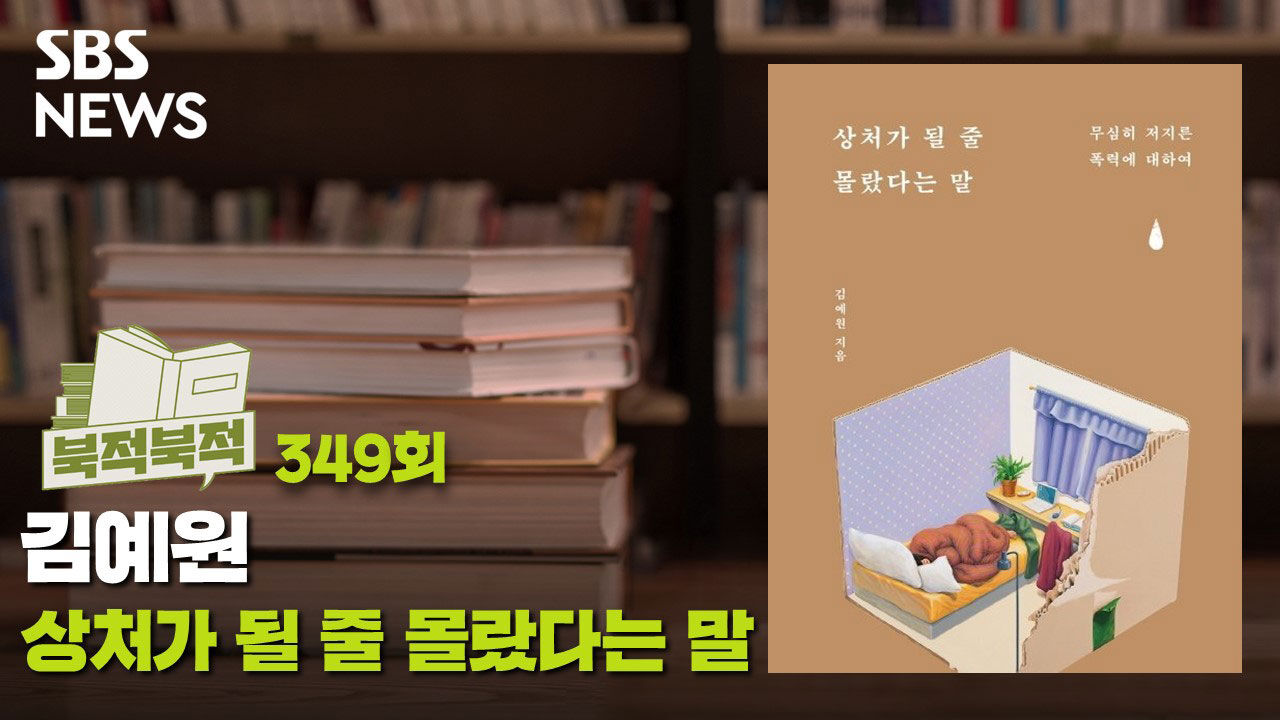
Anecdotes in the piece—like confronting a stranger in an elevator over an unreturned tumbler—illustrate how small, uncomfortable acts of calling out wrongdoing can nudge conscience and spur incremental social change. The author argues that while change is slow, individual moments of accountability create tiny ripples that may encourage people to reconsider selfish habits and unjust behaviors.

The essay centers on lawyer and activist Kim Ye-won and her book, which resonates with the popular drama Extraordinary Attorney Woo. As a visually impaired lawyer, a mother, and a defender of marginalized clients, Kim sees her legal work as helping people reclaim their identities and rights. She laments that while technology advances, social sensitivity to human rights often stagnates, and institutions keep applying uniform standards that ignore differences in disability, gender, race, and background.

Through courtroom stories, Kim exposes the darker sides of human rationalization—perpetrators who deny harm and systems that overlook vulnerable people. Yet she remains committed to the work, comparing civic conscience-raising to Socrates’ proverbial prod: small piercings that wake the larger social body. The central plea is simple and firm—things that are wrong must be named—and the book is offered as a reminder that everyday accountability and legal advocacy together help move society forward.


Original source: 아닌 건 아니어야 좋은 세상…’상처가 될 줄 몰랐다는 말’ [북적북적] (Source: the news outlet; please refer to the original article.)

2022.10.29. 03:00
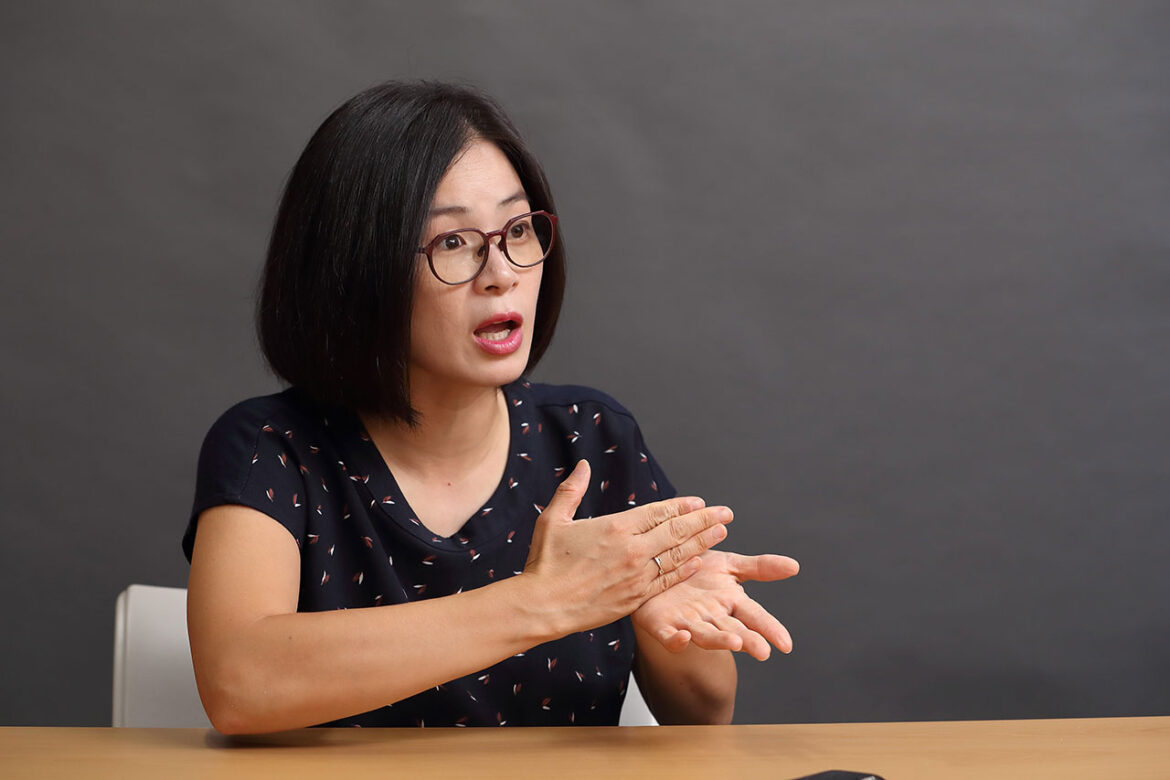
Kim Ye‑won is a visually impaired human-rights lawyer who has spent more than a decade providing pro bono legal aid to children, people with disabilities, and other marginalized victims of abuse. Born with a medical accident that cost her an eye, she turned personal injustice into public advocacy, handling roughly 1,000 cases and challenging institutional discrimination. Her work ranges from representing developmentally disabled victims of sexual and labor exploitation to campaigning for legislative change and researching victim support systems as a visiting scholar at Duke University.

Kim argues that focusing only on sensational child‑abuse cases or increasing statutory penalties does not solve the underlying problem. She highlights systemic failures: unclear roles and poor information‑sharing among police, local government, schools, and child protection agencies, as well as a practice of automatic family separation that often ignores the child’s wishes and can retraumatize victims. Kim warns that harsher maximum sentences can paradoxically reduce prosecutions by raising evidentiary thresholds, and she calls for stronger, child‑centered interventions—monitoring, support for victims, and measures to prevent parental reoffending—rather than reflexive criminalization.

Beyond litigation on child abuse, Kim has led long campaigns against discriminatory rules—most notably a seven‑year effort to change licensing laws so visually impaired drivers can renew Class 1 licenses—and continues to press for systemic reform. She emphasizes that abuse occurs across all socioeconomic groups and urges the public to report suspicions rather than assuming abuse is limited to the most visible cases. Her message: protect children by centering their voices, reform fragmented institutions, and address discrimination against people with disabilities as part of a broader justice agenda.


Original source: 한쪽 눈으로 차별과 싸워온 여전사… “약자 울리는 검수완박에 분노한다” (Source: the news outlet; please refer to the original article.)
2021.08.05 06:29 
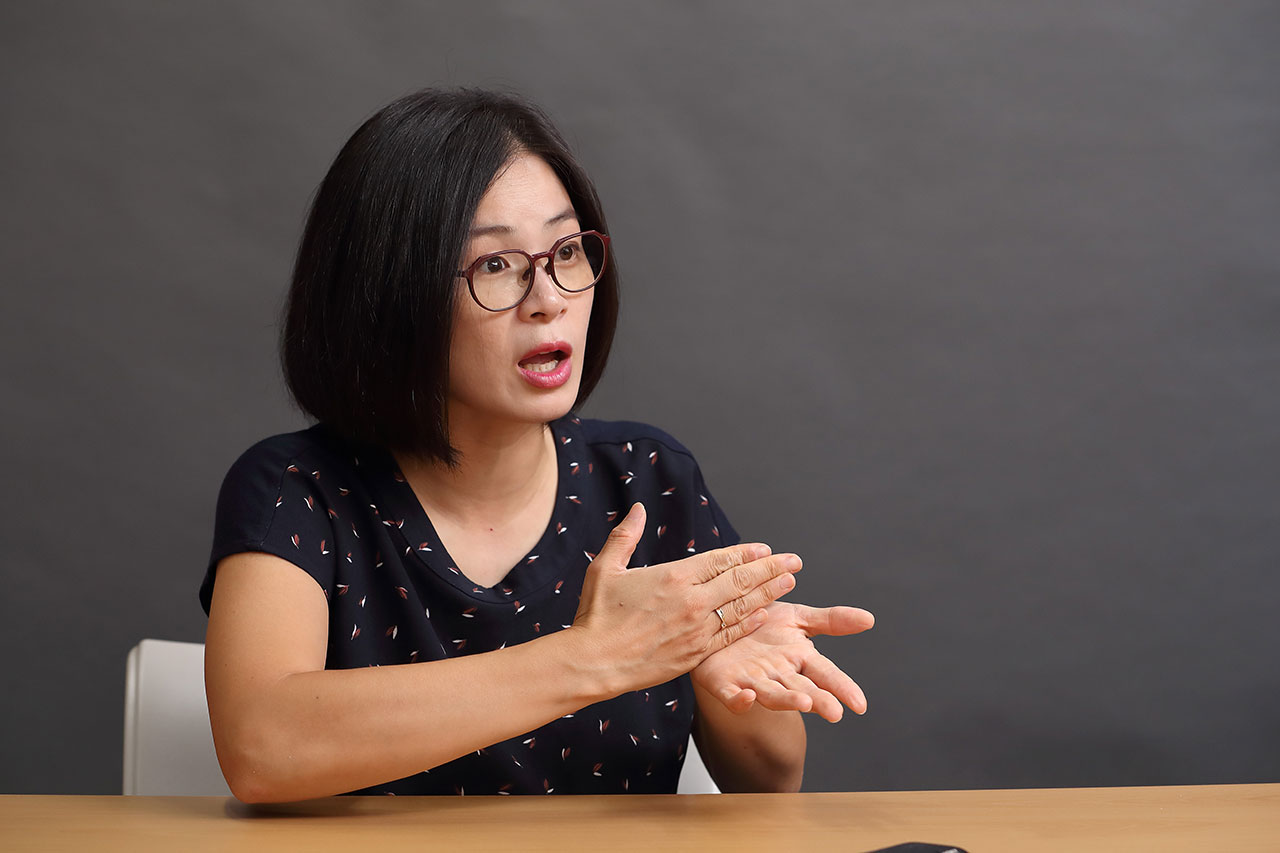
Kim Ye-won, head of the Disability Rights Law Center, argues that Korea’s new “immediate separation” policy—which allows authorities to remove a child after two reports of abuse—was rushed through after the Jeong‑in case and is structurally flawed. While child abuse must be punished, the law concentrates on punishment and ad hoc removals without legal safeguards: key procedures are left to unpublished manuals, decisions are made on the spot by police or social workers, there is little prospect of judicial review or predictable timelines, and accountability is unclear.

The policy often sidelines the child’s voice and wellbeing. Kim stresses that removal can be necessary and stabilizing in violent or neglectful homes, but current practice rarely verifies what the child wants or explains decisions in child‑appropriate language. The result can be new trauma rather than protection. The system also disproportionately affects poor, marginalized, or migrant families—those without resources to contest removals—while wealthier families can evade consequences, creating a de facto class bias and a harmful social message about who should be allowed to parent.

To fix this, Kim calls for legal and procedural reform: restore judicial oversight or clear statutory limits, publish transparent protocols, guarantee predictable timelines and avenues for appeal, and legally require child‑centered practices such as age‑appropriate explanations and measures that preserve safe emotional bonds with caregivers. Adequate funding, oversight, and formalized methods for eliciting and recording children’s wishes are essential so that protection means more than mere removal and truly safeguards children’s dignity and long‑term wellbeing.


Original source: “가난하고 못 배웠으면 애 낳지 말란 신호 같아” (Source: the news outlet; please refer to the original article.)
2017.04.13 13:52
Last January, attorney Kim Yewon opened the Disability Rights Law Center and marked its 100th day while running essentially a one‑person legal office. Despite earning just 200,000 won in the first month (mainly lecture fees from disability organizations), she handles intake calls, drafts opinions and filings, and makes frequent site visits. Kim plans to grow the operation into a nonprofit as like‑minded colleagues join, but for now she treats the Center as a professional commitment rather than charity.

Kim’s path to disability advocacy is personal and strategic. After losing sight in one eye because of a medical incident, she recognized how information asymmetry leaves vulnerable people without legal protection and resolved to become a lawyer. She rose from local university scholarship support to pass the bar and, during training, saw systemic harms while working with refugee, sexual‑assault and disability organizations. To support public interest work she organized a legal fund with classmates that raised roughly 360 million won over three years, enabling sustained pro bono representation.

Her work emphasizes empowerment over paternalism. Kim highlights a landmark win where she helped a security guard whose prosthetic leg was damaged in a workplace accident, overturning a court ruling that denied industrial accident status. She has earned counseling and social‑work credentials to better serve disabled survivors of sexual violence, balances demanding public interest work with parenting two young children, and donates regularly with her husband. Kim frames her choices as both professional and personally fulfilling — a deliberate, joy‑driven vocation rather than mere volunteerism.


Original source: [서소정이 만난 사람]”‘장애인 변호’ 월 20만원 벌지만 행복 (Source: the news outlet; please refer to the original article.)