2021.08.05 06:29
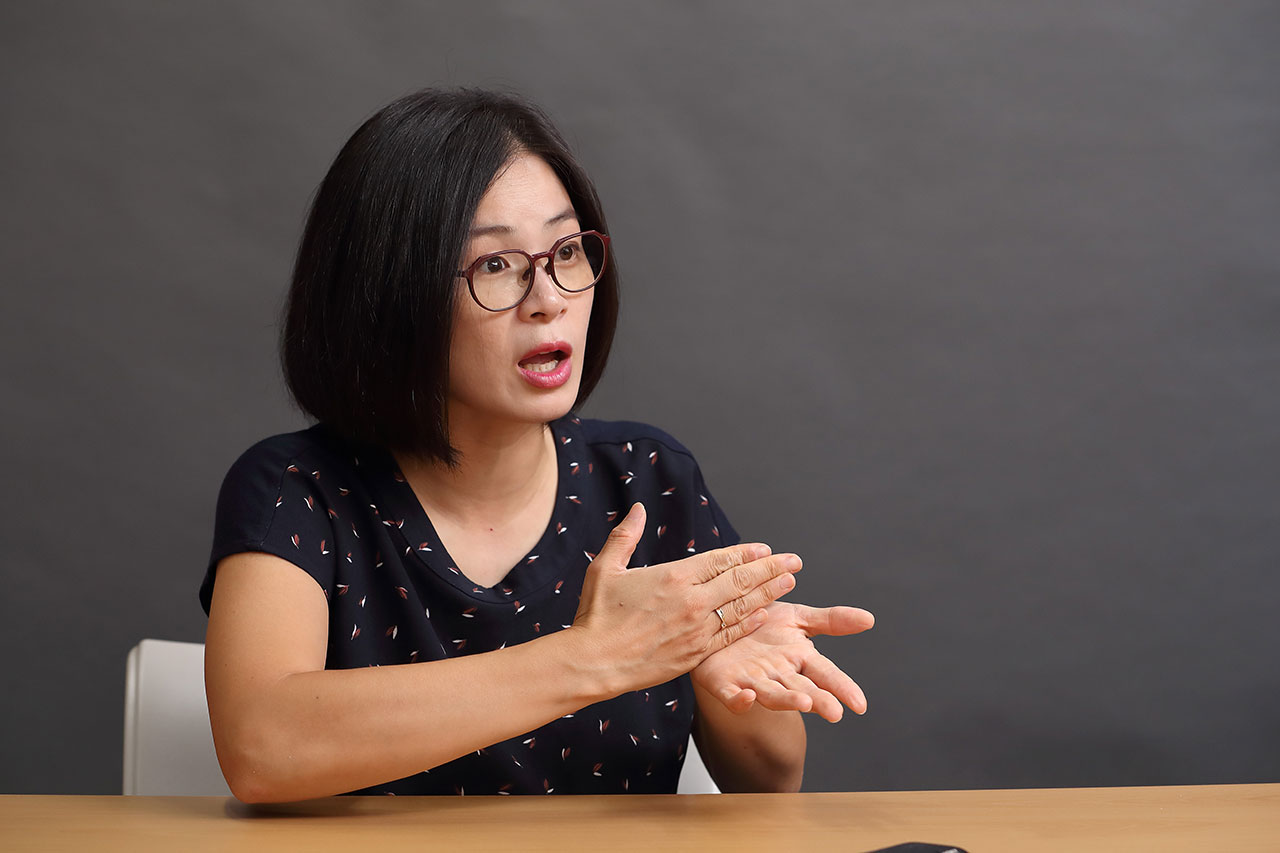
Kim Ye-won, head of the Disability Rights Law Center, argues that Korea’s new “immediate separation” policy—which allows authorities to remove a child after two reports of abuse—was rushed through after the Jeong‑in case and is structurally flawed. While child abuse must be punished, the law concentrates on punishment and ad hoc removals without legal safeguards: key procedures are left to unpublished manuals, decisions are made on the spot by police or social workers, there is little prospect of judicial review or predictable timelines, and accountability is unclear.
The policy often sidelines the child’s voice and wellbeing. Kim stresses that removal can be necessary and stabilizing in violent or neglectful homes, but current practice rarely verifies what the child wants or explains decisions in child‑appropriate language. The result can be new trauma rather than protection. The system also disproportionately affects poor, marginalized, or migrant families—those without resources to contest removals—while wealthier families can evade consequences, creating a de facto class bias and a harmful social message about who should be allowed to parent.
To fix this, Kim calls for legal and procedural reform: restore judicial oversight or clear statutory limits, publish transparent protocols, guarantee predictable timelines and avenues for appeal, and legally require child‑centered practices such as age‑appropriate explanations and measures that preserve safe emotional bonds with caregivers. Adequate funding, oversight, and formalized methods for eliciting and recording children’s wishes are essential so that protection means more than mere removal and truly safeguards children’s dignity and long‑term wellbeing.
Original source: “가난하고 못 배웠으면 애 낳지 말란 신호 같아” (Source: the news outlet; please refer to the original article.)