2022.07.31 07:12
Anecdotes in the piece—like confronting a stranger in an elevator over an unreturned tumbler—illustrate how small, uncomfortable acts of calling out wrongdoing can nudge conscience and spur incremental social change. The author argues that while change is slow, individual moments of accountability create tiny ripples that may encourage people to reconsider selfish habits and unjust behaviors.
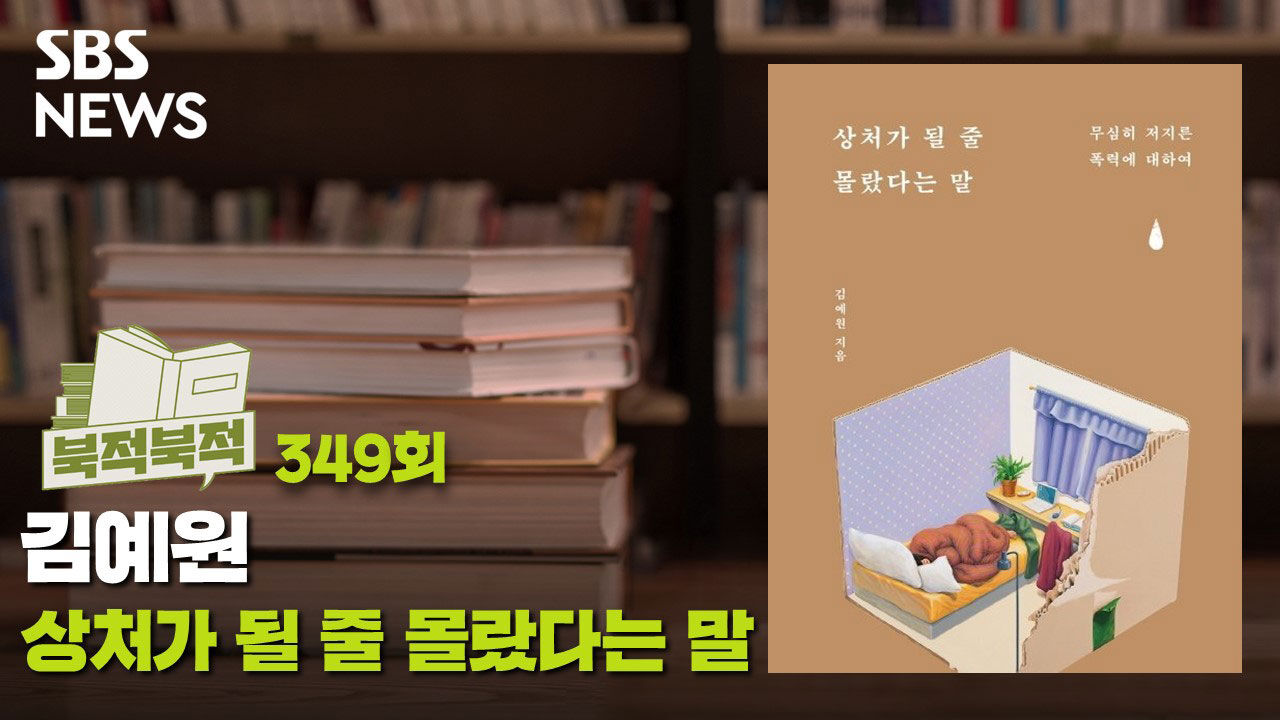
The essay centers on lawyer and activist Kim Ye-won and her book, which resonates with the popular drama Extraordinary Attorney Woo. As a visually impaired lawyer, a mother, and a defender of marginalized clients, Kim sees her legal work as helping people reclaim their identities and rights. She laments that while technology advances, social sensitivity to human rights often stagnates, and institutions keep applying uniform standards that ignore differences in disability, gender, race, and background.
Through courtroom stories, Kim exposes the darker sides of human rationalization—perpetrators who deny harm and systems that overlook vulnerable people. Yet she remains committed to the work, comparing civic conscience-raising to Socrates’ proverbial prod: small piercings that wake the larger social body. The central plea is simple and firm—things that are wrong must be named—and the book is offered as a reminder that everyday accountability and legal advocacy together help move society forward.
Original source: 아닌 건 아니어야 좋은 세상…’상처가 될 줄 몰랐다는 말’ [북적북적] (Source: the news outlet; please refer to the original article.)