
Tag

South Korea

Browsing
  • 2020.09.18 08:38
  •  Kim Ye‑won is the founder and sole staff member of the Disability Rights Law Center, a Seoul‑based nonprofit that provides free legal support to disabled people, women, and children who have suffered human rights violations. She handles everything from initial counseling and paperwork to policy research, splitting her time between her office in Seocho and family life in Gwangju. Despite a grueling schedule and frequent calls, Kim draws energy from her work and was recognized this year with the 12th Young Ilga Award for her public‑interest contributions.

    Born with vision loss in one eye due to a medical error, Kim decided early on to become a lawyer so she could stand by individuals rather than just make objective rulings. After training at the Judicial Research and Training Institute, she helped establish a public‑interest legal fund and worked with organizations such as Dongcheon and the Seoul Disability Rights Center, where she handled over 1,000 cases and helped secure precedent recognizing prosthetic leg damage as a work injury. In 2017 she founded the Disability Rights Law Center to expand her ability to take on sensitive and systemic cases; the center operates without charging clients, relying on the legal fund and income from lectures and research.

    Kim emphasizes solidarity and empowerment in her approach: many victims do not recognize their own abuse or feel able to speak out, and gaining their trust is the first step toward justice. She credits coalition work with other groups and activists for untangling complex cases and takes strength from seeing clients reclaim their voices in court and in life. Kim also calls for moving beyond rigid divisions—such as normal/abnormal or disabled/non‑disabled—and instead fostering inclusive, collective solutions to social problems.


    Original source: [만남] 김예원 장애인권법센터 변호사 “피해자 곁에 서겠습니다” (Source: the news outlet; please refer to the original article.)
    2021.02.13 17:00
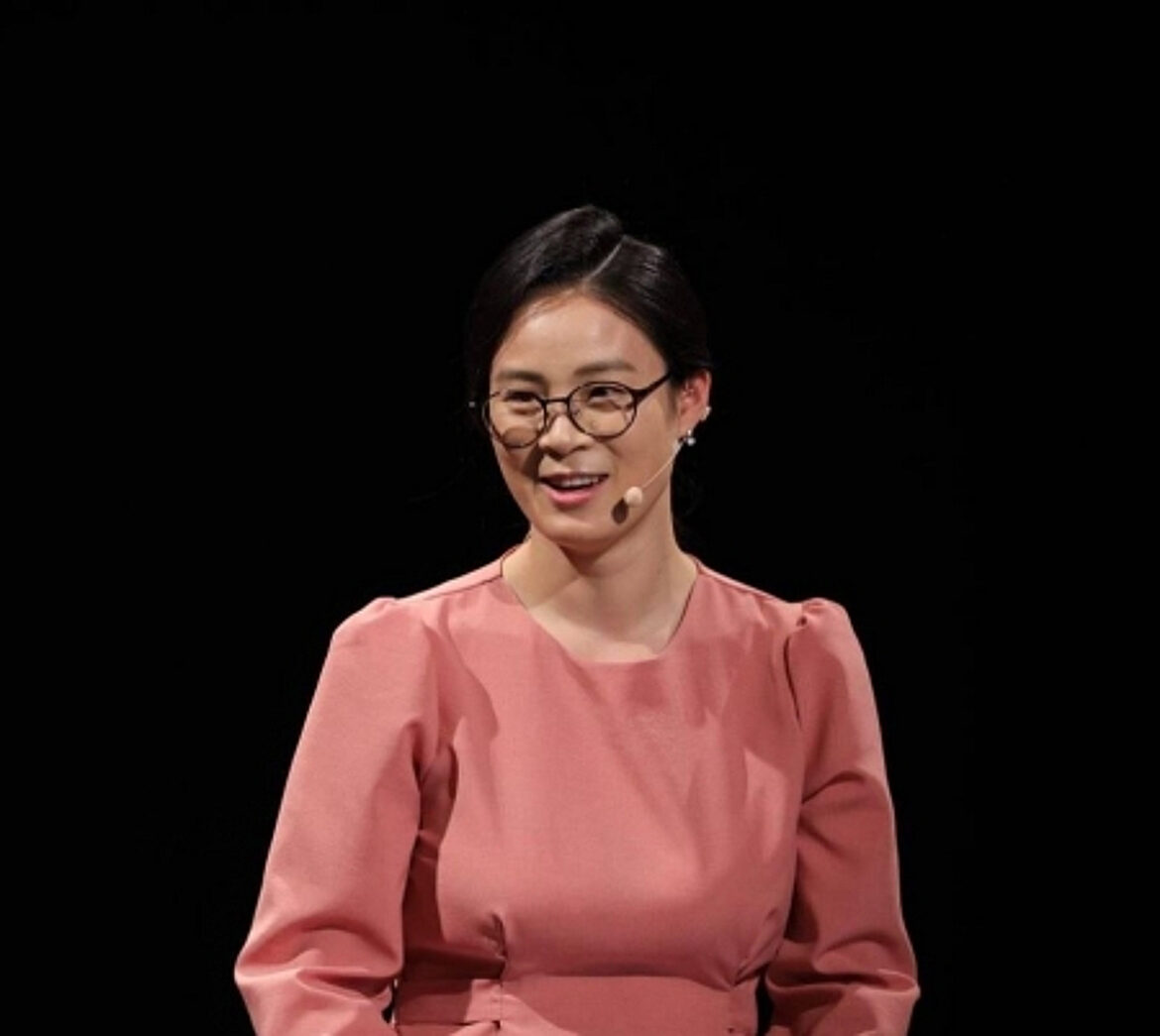
    Kim Yewon, a long-time child abuse advocate and head of the Disability Rights Law Center who has been active on issues related to the so-called ‘Jeongin Act,’ publicly argued for creating a distinct crime of ‘child abuse homicide’ under Korea’s Child Abuse Punishment Act. In a social media post on the 10th, she said cases where a perpetrator’s recklessness could foreseeably lead to a child’s death should be prosecuted more severely, stressing that abused children — who are effectively unable to defend themselves — warrant tougher penalties than ordinary homicide charges may deliver.

    Kim emphasized that proving specific intent to kill in most child abuse cases is often difficult, and bluntly raising minimum sentences for existing categories like ‘death by child abuse’ could prolong legal pain for victims and their families. Instead, she proposed introducing a legal category that covers cases with recklessness or dolus eventualis where death was a foreseeable outcome, allowing the justice system to pursue harsher punishment in the relatively rare but most egregious instances.

    She also noted gaps in current sentencing guidance: only serious injury and fatality under the Child Abuse Punishment Act have clear sentencing standards. Kim urged the Supreme Court’s Sentencing Commission to create dedicated sentencing guidelines for crimes under the Child Welfare Act and child abuse offenses to ensure consistent, appropriate penalties and stronger protection for vulnerable children.


    Original source: 김예원 변호사 “아동학대살해죄 신설이 필요합니다” – 머니투데이 (Source: the news outlet; please refer to the original article.)

    2019년04월23일 14:35
    Kim Yewon, a lawyer who lost sight in one eye at birth, founded the Disability Rights Law Center in 2017 to provide pro bono legal help and advocate for people with disabilities. Drawing on experience at a major law firm and a public-interest legal foundation, she has offered over 1,000 free consultations before opening the center and hundreds more since, focusing on everyday legal access gaps faced by social minorities and people with disabilities.

    Through her casework Kim exposes systemic failures in the justice system when disability is not taken into account. She recounts wrongful outcomes—such as a long-term labor exploitation case where only about 2 million won was initially recognized—resulting from investigations and trials that ignored disability characteristics. Kim also highlights the particular vulnerability of women with disabilities to sexual exploitation and the absence of specialized public defenders or tailored legal processes for abuse victims.

    Beyond individual cases, Kim is pushing for law and policy changes: improved support for online and anonymous sexual exploitation victims, legal recognition of disabled people as victims rather than offenders, and accessible voting materials (easy-to-read ballots and public materials) for people with developmental disabilities. She urges the public to pay attention and report injustices—small acts of interest and intervention, she says, can change a life—and pledges to continue advocating for institutional reforms and expanded victim support.


    Original source: [변남변녀] 김예원, “장애인들의 인권에 조금만 관심을 기울여 주세요” (Source: the news outlet; please refer to the original article.)

    2020.04.11. 03:23
    Kim Ye-won is a visually impaired public-interest lawyer who founded the Disability Rights Law Center in 2017. After completing judicial training in 2012, she worked at a major law firm’s public foundation and the Seoul Disability Rights Center before striking out on her own to provide broader, needs-based legal help. Born blind in one eye as a result of a forceps delivery, she says discovering the medical cause of her disability reinforced her belief that the law is the most precise tool to address injustice.

    Kim provides pro bono representation to disabled people, women and children, taking cases regardless of location or the perceived likelihood of success. She has spoken out about repeat patterns of sexual exploitation — including the Telegram “nth room” crimes — and handled high-profile abuse cases such as confinement and extortion at care homes in Wonju and Hongcheon. Known for dramatic courtroom advocacy, she even removed her prosthetic eye during a trial to urge the harshest penalty for a child’s attacker. Beyond litigation, she actively researches rights issues and seeks out victims through media reports as well as formal referrals.

    Kim argues that legal reform must lead social change: stronger laws and systems will shift public perception. She highlights ongoing discrimination, such as refusal to allow assisted voting for people with intellectual disabilities, and condemns outdated attitudes that portray exploited women as complicit rather than victims. While she downplays any singular sense of vocation, she hopes her sustained legal work will create broader social resonance and improved protections for minorities.


    Original source: “난 시각장애인… 도움 필요한 소수자 위해 변호사 됐다” (Source: the news outlet; please refer to the original article.)
    2022.07.26 10:54
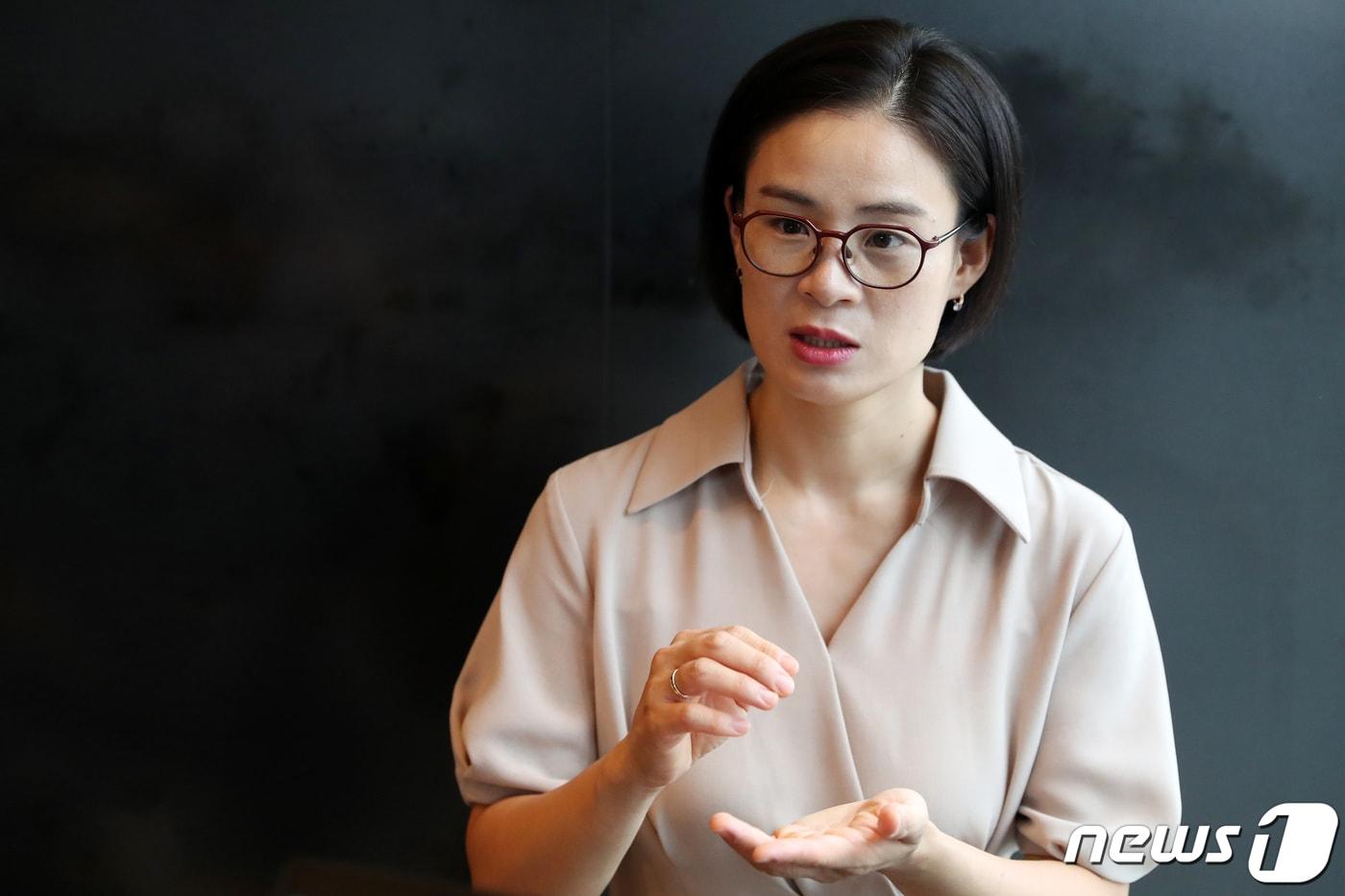
    Korean attorney Kim Ye-won, often compared to the hit drama character Woo Young-woo, has turned personal hardship into a career defending disabled victims. Born with vision loss from a medical accident, she worked at a major law firm’s public foundation before leaving to provide frontline legal help. In 2017 she founded the Disability Rights Law Center to offer early, on-the-ground intervention and free legal representation to people with disabilities who face extreme abuse and neglect.

    Kim’s pro bono practice has handled harrowing cases — developmental disabled people subjected to sexual exploitation by neighbors or family, long-term labor trafficking, and victims rescued from unregistered facilities. She emphasizes early intervention and basic stability: securing safe housing and psychological support so survivors can begin to speak about abuse and pursue justice. Kim combines legal advocacy with direct care, sometimes inviting traumatized clients to her home to help them regain trust and safety, and she supports her work through speaking, writing, and commissioned research.

    Beyond individual cases, Kim has influenced policy and public awareness: she led changes improving web accessibility for visually impaired users and helped open access to class-1 driving tests for people with visual impairments, earning official commendations and the inaugural Kwak Jeong-sook human rights award. She has served on multiple government and civic human-rights committees and defends disability movements calling for mobility rights. Her own experiences with school bullying and prejudice inform a pragmatic, survivor-centered approach that blends legal action with concrete supports to restore dignity and autonomy to disabled people.


    Original source: 전교 왕따·시각장애 여중생, ‘현실판 우영우’로…그를 바꾼 ‘1진들’ (Source: the news outlet; please refer to the original article.)

    2019.11.16 18:18:00
    A brutal discovery in January 1990 of a female victim near the Nakdong River led to arrests almost two years later when two men, described by a witness as a “big man and a small man,” were brought in, confessed, and were ultimately sentenced to life imprisonment. After serving 21 years and being released in 2013 through special commutation, the two men have consistently maintained their innocence, alleging that their confessions were coerced through police torture. They filed for a retrial in 2017, and the case has resurfaced in public attention as it reaches its latest legal turning point nearly three decades after the crime.

    The retrial process reached an unusual intensity: the Busan High Court held its seventh and final hearing on November 14 to decide whether to open a full retrial—a procedural rarity for an ordinary criminal case. Former investigators named by the defendants largely testified that they did not recall the case or denied using torture, while a prosecutor from the government’s past-investigation unit testified about the review that found evidence suggesting the defendants’ confessions were obtained by physical coercion. The Ministry-linked past-investigation committee concluded that police abuse likely produced false confessions, but its findings do not carry the same legal weight as court verdicts, and some factual gaps remain contested in court.

    At the hearing the prosecution urged caution, stressing that allowing retrials too readily could undermine finality in criminal law and arguing that the past-review body’s conclusions have limited evidentiary force. Defense counsel and independent journalists and experts countered that extensive new evidence, forensic reviews, and expert analyses justify reopening the case and demanded that the court correct a possible historic miscarriage of justice. With the court now weighing witness testimony, investigatory reports, and competing legal standards, its imminent ruling will carry major implications for accountability in past police investigations and the standards for overturning long-settled convictions in South Korea.


    Original source: [낙동강변 2인조 살인사건-20] 스물여덟 번째 11월 (Source: the news outlet; please refer to the original article.)
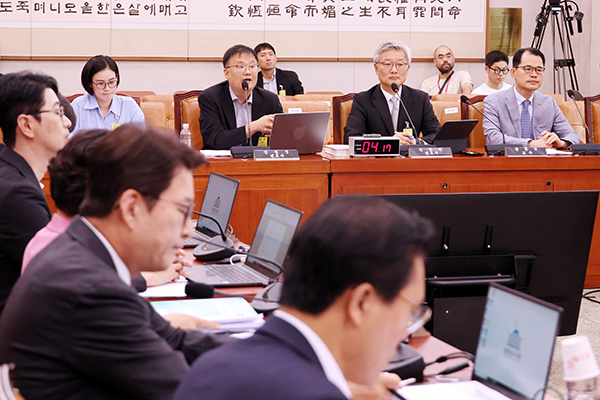
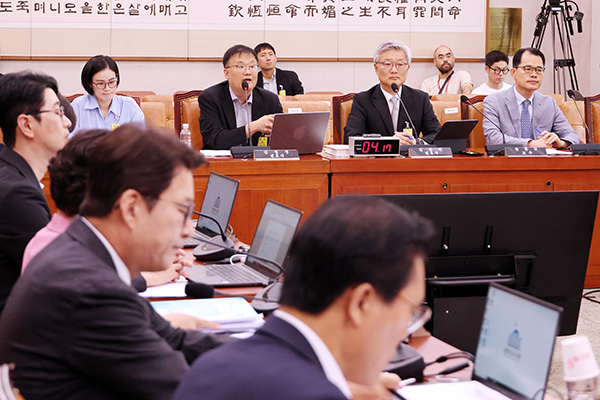
    Lawmakers and legal experts convened at a National Assembly Judiciary Committee public hearing to review the Democratic Party’s so‑called “prosecutorial reform 4 laws” — abolishing the Prosecutor’s Office, creating a Public Prosecution Office, establishing a Serious Crimes Investigation Office, and founding a National Investigation Commission. While participants broadly agreed that prosecutorial reform is necessary, the hearing on March 9 revealed sharp disagreements over the bills’ design and potential consequences, with experts from the bar and academia offering deeply contrasting assessments.

    Critics warned that dismantling the existing prosecutorial structure could produce serious side effects and weaken the quality of criminal prosecutions. They argued that wholesale abolition overlooks practical realities — for example, separating investigation and prosecution may prevent necessary supplementary investigations, complicate procedures, and ultimately harm vulnerable people. Several speakers also cautioned that political influence could simply shift from a “political prosecutor” to a “political police” if appointment and control powers remain with political actors, leaving the core problem of political intervention unresolved.

    Supporters countered that meaningful change requires organizational overhaul: prosecutors must be stripped of direct investigative personnel and new, independent bodies should be created to oversee and request supplementary investigations and police conduct. Proponents framed the reforms as essential to restoring prosecutorial integrity and preventing past abuses. The committee agreed to refer the bills to a subcommittee for detailed review, underscoring consensus on the urgency of reform but no agreement yet on the best institutional path forward.


    📌 원본 출처: www.lawtimes.co.kr