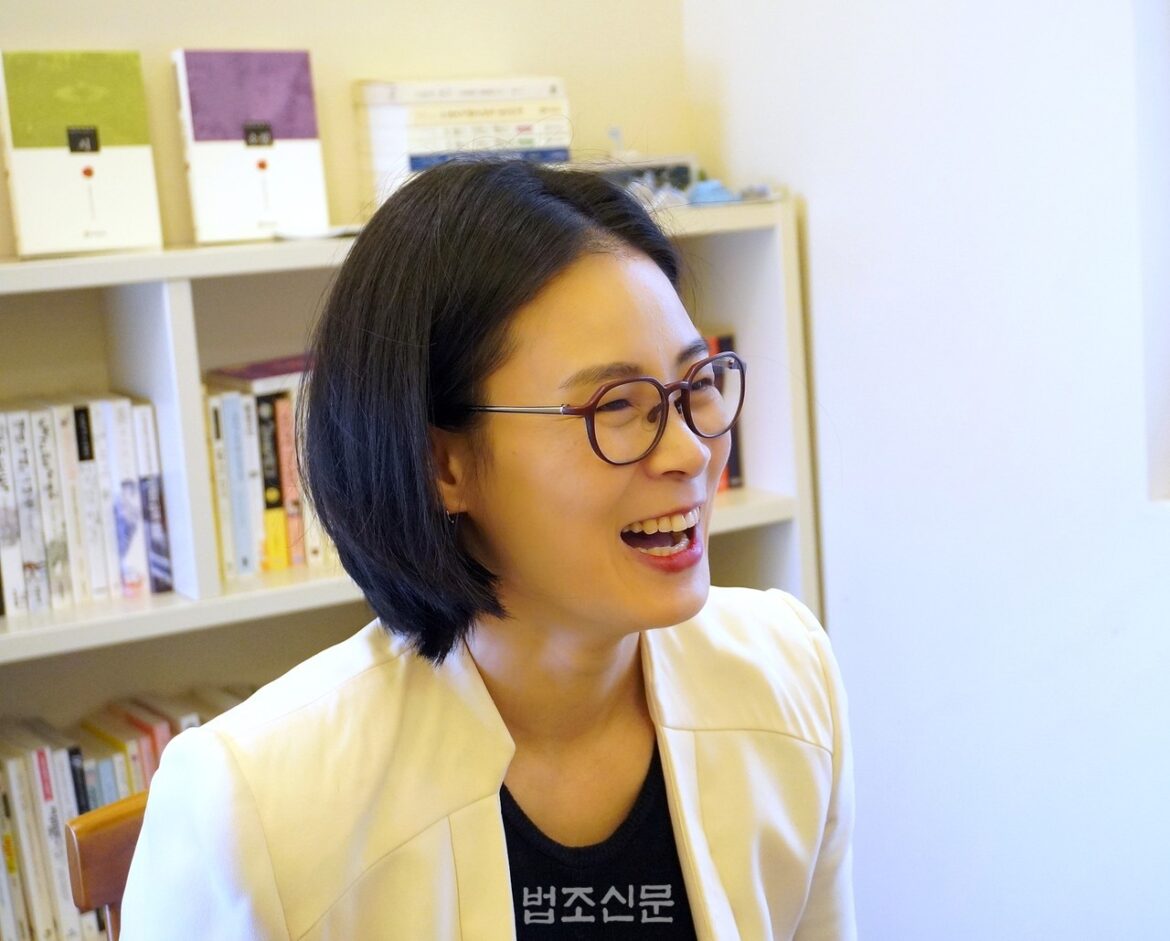
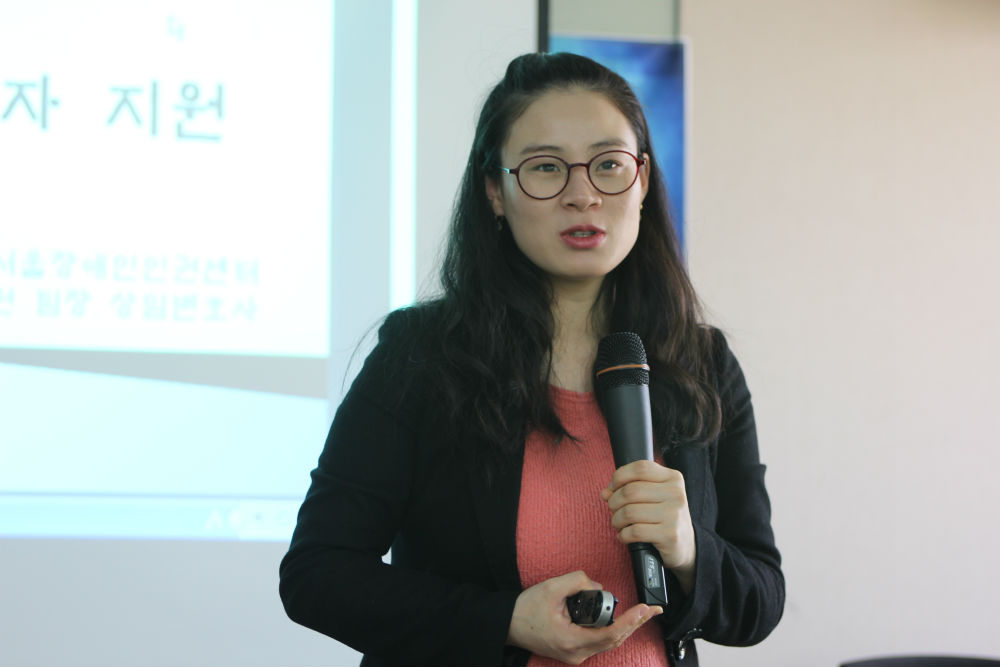
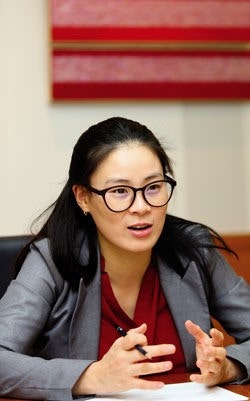
2022.06.20 09:25 Kim remains engaged on current disability issues—defending the rights of protest groups that press authorities to honor commitments—and balances advocacy with family life and professional development. Soon she will research victim support in the U.S. as a visiting scholar at Duke, and she is open to future public roles. Her advice to young lawyers is practical: follow your lived interests, start by looking and participating, and let steady engagement—not grand gestures—build meaningful change.
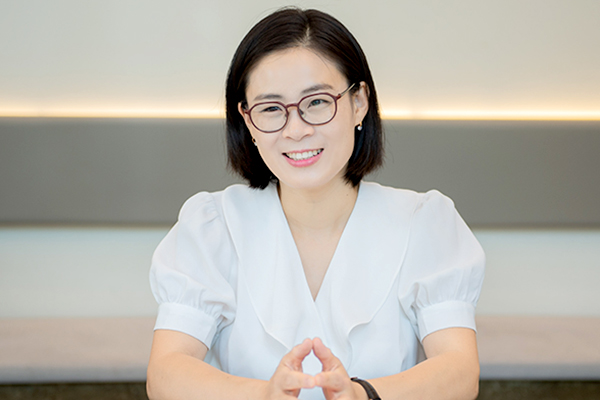
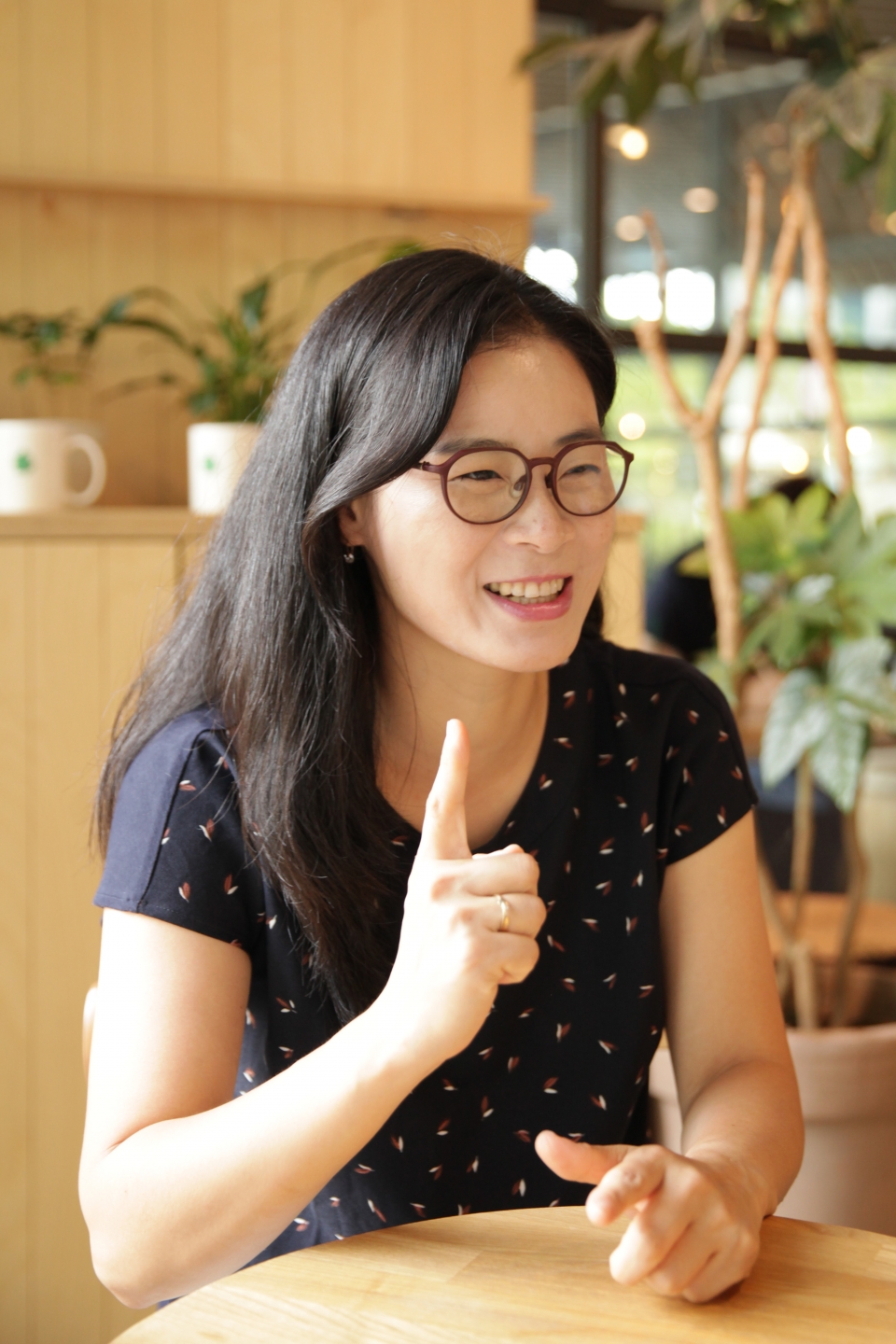
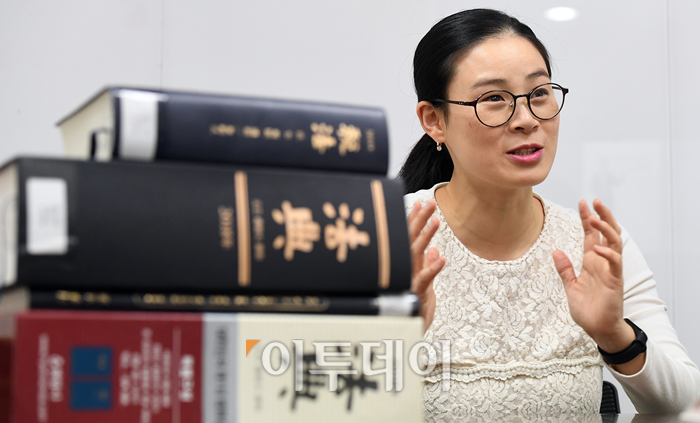
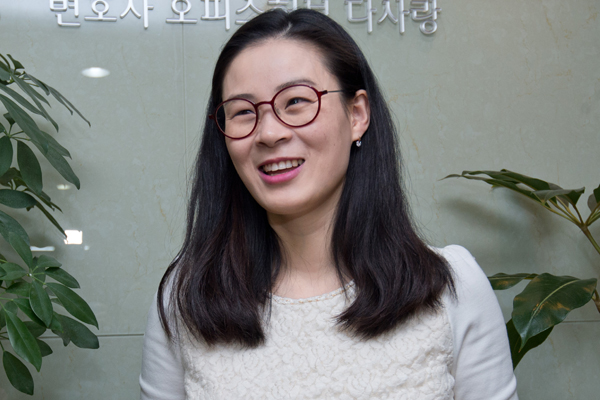
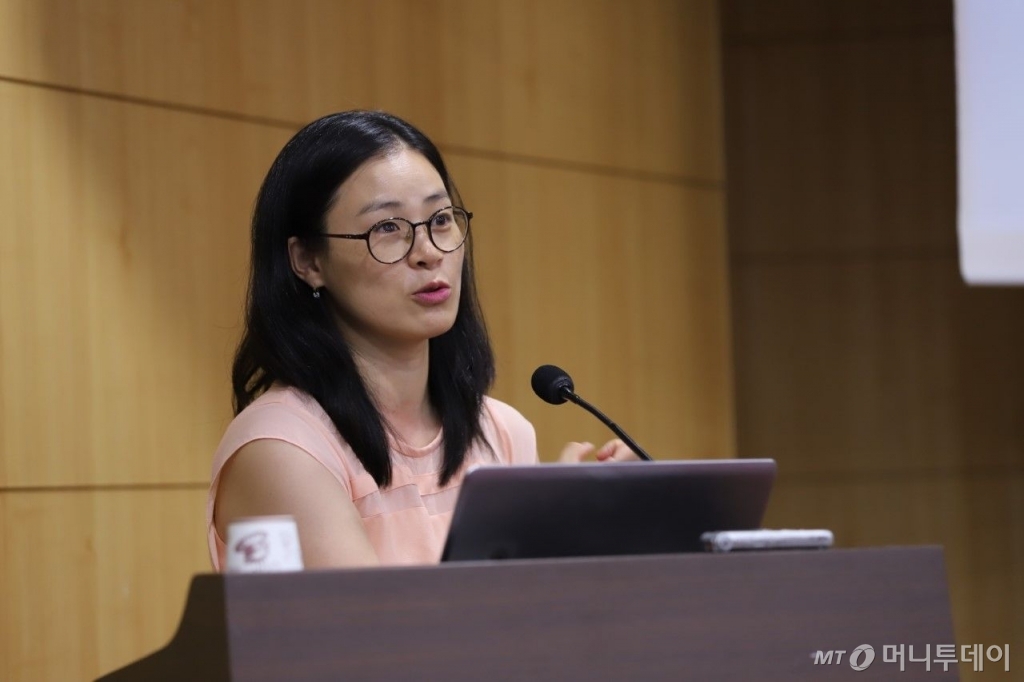
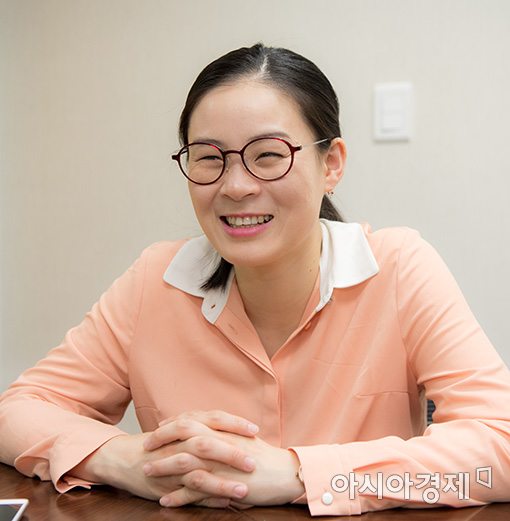
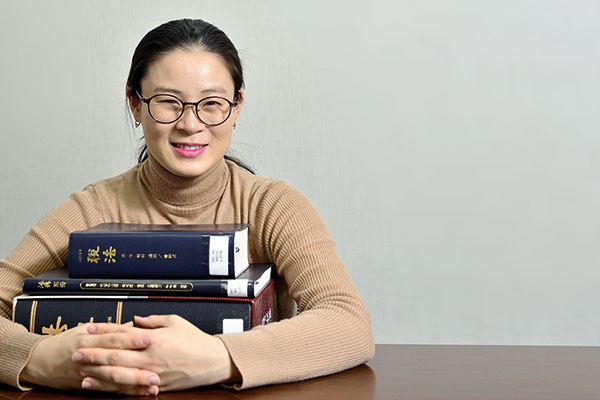
2022.02.28 16:07 Kim Ye-won, a leading disability-rights lawyer and director of the Disability Rights Law Center, is known for her warm, accessible approach and extraordinary communication skills. She builds rapport with clients across cognitive and physical disabilities, meets people at their level, and often remains a trusted supporter long after cases close. Her bedside manner and steady presence make clients feel heard and respected, and she routinely makes herself available even in crisis situations at odd hours.
Believing that good intentions must be matched by skill, Kim pursued professional training as a social worker and sexual-violence counselor to avoid relying on intuition alone. In a notable sexual-abuse case she reframed invasive courtroom questioning into the client’s own language and submitted recorded testimony to prevent re-traumatization. She also practices an atypical pro bono model: she does not charge financially disadvantaged clients, funds her office through research, lectures and writing, and channels any surplus to causes in need — treating law as a tool for social good rather than personal gain.
Kim is also an outspoken critic of policies that sideline the voices of those they claim to protect. She has challenged administrative practices in child protection that can disregard children’s agency, citing cases where poorly designed procedures caused prolonged harm. Her practical advice to younger lawyers: start small—join committees, offer short pro bono consultations, and gradually expand involvement to discover whether public-interest work fits your strengths and sustainment.
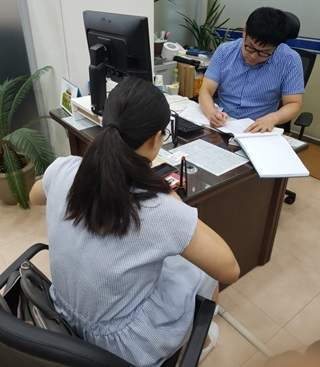
Kim Ye‑won is the founder and sole staff member of the Disability Rights Law Center, a Seoul‑based nonprofit that provides free legal support to disabled people, women, and children who have suffered human rights violations. She handles everything from initial counseling and paperwork to policy research, splitting her time between her office in Seocho and family life in Gwangju. Despite a grueling schedule and frequent calls, Kim draws energy from her work and was recognized this year with the 12th Young Ilga Award for her public‑interest contributions.
Born with vision loss in one eye due to a medical error, Kim decided early on to become a lawyer so she could stand by individuals rather than just make objective rulings. After training at the Judicial Research and Training Institute, she helped establish a public‑interest legal fund and worked with organizations such as Dongcheon and the Seoul Disability Rights Center, where she handled over 1,000 cases and helped secure precedent recognizing prosthetic leg damage as a work injury. In 2017 she founded the Disability Rights Law Center to expand her ability to take on sensitive and systemic cases; the center operates without charging clients, relying on the legal fund and income from lectures and research.
Kim emphasizes solidarity and empowerment in her approach: many victims do not recognize their own abuse or feel able to speak out, and gaining their trust is the first step toward justice. She credits coalition work with other groups and activists for untangling complex cases and takes strength from seeing clients reclaim their voices in court and in life. Kim also calls for moving beyond rigid divisions—such as normal/abnormal or disabled/non‑disabled—and instead fostering inclusive, collective solutions to social problems.
19.12.12 10:46 Kim Ye-won is a public-interest lawyer and founder of the Disability Rights Law Center who has dedicated her career to defending people with disabilities, especially those facing intersectional discrimination. After passing the bar in 2009 and working at the Dongcheon Foundation, she helped establish the center in 2017 to fill legal blind spots and challenge systemic injustices. Her work combines courtroom advocacy with ongoing support, and she finds deep professional satisfaction in using the law to address social wrongs.
Central to Kim’s approach is the power of solidarity: she routinely partners with disability, child and women’s organizations throughout litigation and in post‑case protection for clients. Rather than focusing solely on case outcomes, she measures success by the emotional and practical change in survivors—helping them move from fear and self-blame to feeling supported and valued. Kim emphasizes empathetic communication, reminding clients that their harm was not their fault and coordinating networks that sustain recovery beyond legal victory.
Beyond institutional alliances, Kim argues for everyday solidarity between disabled and non-disabled people, rejecting patronizing or objectifying attitudes and promoting mutual aid and genuine dialogue. She frames her advocacy as a natural fit for her personality—direct, persistent, and upbeat—and insists that simple respect and communication are the first steps toward inclusion. Her optimism and refusal to become pessimistic about cases reflect a broader belief that collective effort can produce meaningful change for marginalized communities.
Original source: ‘명랑’ 김예원 변호사가 말하는 “연대의 힘” (Source: the news outlet; please refer to the original article.)
2019.03.12 Kim Ye-won, a prominent disability rights lawyer and director of the Disability Rights Law Center, frames her new book as both a personal and political project. Drawing on years of public-interest legal work and a lifelong love of film, she argues that society’s treatment of disabled people reflects environmental and attitudinal failures rather than individual deficits. Her book collects film scenes as entry points to discuss how dignity, work, education and community life are denied or distorted for people with disabilities.
Rather than treating disability as something to be pitied or “overcome,” Kim reads movies with a critical eye, using familiar scenes—from comedic moments to quiet domestic dramas—to reveal structural barriers: inaccessible labor markets, exclusionary education, and the presumption that disabled people are helpless or a public burden. She purposely writes in an accessible tone to shift social perception before legal reform can be fully effective, believing that laws alone cannot close gaps created by deep-seated stereotypes.
Kim’s central message is pragmatic and urgent: change the environment and attitudes so disabled people can live with dignity, pursue work and hobbies, and participate fully in community life. She illustrates this with a personal anecdote about her young daughter learning pity toward a disabled person, showing how early social conditioning reinforces harmful frames. The book is a call to rethink what “normal” means and to build social, legal and cultural conditions that respect everyone’s equal worth.
2020-08-26 00:01 Kim Yewon is a public-interest lawyer who has devoted her career to defending people pushed to the margins—primarily people with disabilities, women, and children. Known affectionately as a ‘키다리 아줌마’ (a benefactor figure), she handles difficult, often overlooked cases that other systems leave behind, spending long hours consulting clients and connecting them with practical supports while pursuing legal remedies. She emphasizes that many people with borderline or less visible disabilities fall through social blind spots that demand sensitive, sustained intervention rather than quick fixes.
Her path into public-interest law grew from faith-based legal circles during training and early work at a major law firm’s public-interest foundation. Dissatisfied with restrictive jurisdictions and fragmented services, she left stable positions to found the nonprofit solo practice Disability Rights Law Center, where she does not charge legal fees and funds work through lectures and writing. Supported by her husband—also a legal professional—Kim balances multiple roles as a mother, center director, and activist, and has proactively earned social work and sexual-violence counseling qualifications to better support clients beyond litigation.
A person with a disability herself (she lost one eye at birth), Kim brings lived experience to policy priorities such as deinstitutionalization and reforming the disability grading system. She also works on preventing sexual violence within churches, advocating democratic communication and preventive structures rather than reactive litigation alone. Recently recognized with a public-service award, she describes her goals simply: living faithfully day by day, raising her children well, and continuing long-term work in public-interest law to ensure no one is left in a human-rights blind spot.
2019-01-31 06:00 Kim Ye‑won is a solo nonprofit lawyer who runs the Disability Rights Law Center in Seoul, dedicating her practice to people with developmental disabilities, disabled children and women who struggle to access legal help. Her work is visceral and public: she once removed her prosthetic eye in court to plead for the maximum sentence in a case where a five‑year‑old child was blinded, and she has represented clients under extremely constrained conditions through extensive pro bono work. The center operates on minimal resources — the Seoul Bar Association provided office space — and Kim combines strategic litigation with direct client advocacy to advance disability rights and accountability.
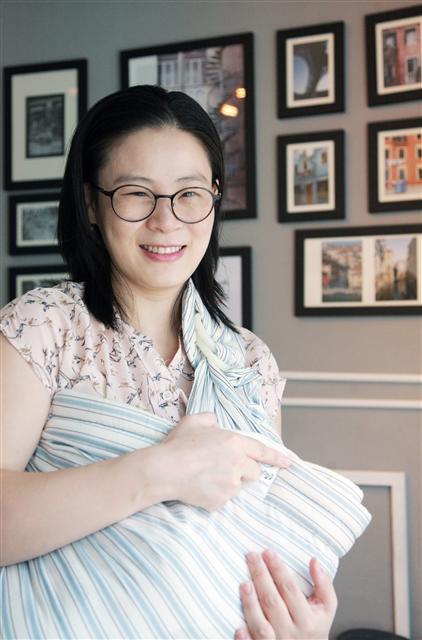
Her career is inseparable from motherhood. As a mother of three, she has brought infants into court when childcare was unavailable, famously breastfeeding a 50‑day‑old in the courtroom to avoid missing critical hearings. Kim candidly recounts regrets about placing her first child full‑time in daycare at 82 days and explains that as a self‑employed public interest lawyer she could not take extended leave for later children, forcing practical choices that many working mothers face. Her visible actions sparked strong reactions — surprise from judges, solidarity from fellow women lawyers, and public admiration that she treats as ordinary necessity rather than heroism.
Kim’s personal history shapes her commitment: she lost sight in one eye due to a medical accident, earned law school on full scholarship, and entered public interest work through experiences at Dongcheon and the Seoul Disability Human Rights Center before founding her own center in 2017. Supported by a like‑minded husband who is a judge, the couple regularly donates a portion of their income to charities; Kim channels the rest of her time into client work, household routines she calls a hobby, and relentless fieldwork that keeps her deeply engaged with clients’ lives. Her practice demonstrates a pragmatic, embodied approach to legal advocacy — one that melds lived experience, parental responsibility and tireless pro bono service to protect society’s most vulnerable.
2018-08-14 11:40:06 Kim Ye-won is a human-rights lawyer and disability-rights advocate who argues that separation, not lofty laws, drives discrimination. Drawing on her own experience of losing sight in one eye and attending mainstream schools, she emphasizes that true integration comes from everyday shared experiences—especially in early childhood education—rather than building more segregated institutions. She links this view to the broader principle that exclusion begins with separation, referencing historic desegregation precedents to stress why mixed environments matter for changing attitudes.
Professionally, Kim combined public-interest commitment with strategic legal advocacy. A graduate of the Judicial Research and Training Institute (class 41), she helped seed a public-interest legal fund with fellow trainees and worked at the Dongcheon foundation, the Seoul Disability Human Rights Center, and then founded the Disability Rights Law Center. Her legal wins include persuading the courts to treat a damaged prosthetic as a work-related injury, and she has been recognized with the Seoul welfare award and the inaugural Kwak Jeong-sook Human Rights Award for her work defending disabled workers, migrants and other marginalized groups.
Beyond courtroom victories, Kim highlights persistent practical barriers: classification systems that push students into special schools, long commutes to segregated facilities, and social isolation that leaves vulnerable people without everyday “ties” to others. She advocates for small, implementable changes—such as shared mealtimes and mixed classroom settings—to build empathy and connection from childhood. Balancing her legal work with being a mother of three, Kim stresses a pragmatic long-term commitment to remain in public-interest work and ensure laws are translated into lived inclusion.
2018.03.19 17:52 Kim Ye-won, a 36-year-old lawyer and founder of the Disability Rights Law Center, has been selected as the first recipient of the Kwak Jeong-sook Human Rights Award. The prize was created to honor the legacy of the late lawmaker and disability rights activist Kwak Jeong-sook, who lived with a spinal cord injury, led the Korean Women with Disabilities Union, and served as a proportional representative in the National Assembly for the Democratic Labor Party.
Kim’s legal career and advocacy work were cited in the selection. A graduate of Chuncheon High School and Gangwon National University Law School, she passed the bar in 2009 and worked at the Dongcheon public interest foundation affiliated with the law firm Bae, Kim & Lee. There she helped secure a landmark Supreme Court ruling recognizing that damage to a prosthetic leg used by a disabled worker can qualify as a work-related injury. Kim later worked at the Seoul Disability Rights Center and in 2017 established a nonprofit law office dedicated exclusively to representing victims of disability rights violations.
Responding to the award, Kim said she views it not as recognition of past work but as encouragement to continue. The award ceremony will be held on the 20th alongside a memorial event marking the second anniversary of Kwak Jeong-sook’s passing, in Gwangju’s Seo-gu at the Gwangju Citizen Media Center.
23.07.21 17:05 Kim Ye‑won is a public‑interest lawyer who refuses to charge fees, leading a Disability Rights Law Center that provides free legal support to social minorities—people with disabilities, women, and children. A former public interest lawyer at a major foundation and a founder of her own center, she chose independence over donations so she can act without outside pressure. Now a visiting scholar at Duke and a mother of three, Kim balances litigation, advocacy and public education while sustaining her work through lectures, books and research contracts.
Her practice focuses on the hardest, most overlooked cases others won’t take: severe disability, sexual exploitation, and complex family or guardianship situations. Kim combines traditional legal work—evidence collection, criminal complaints and courtroom representation—with social‑work style interventions, coordinating with welfare offices, shelters and local agencies to relocate and protect clients. One striking example: she uncovered an organized sexual exploitation ring targeting a disabled woman, secured arrests, and arranged safe housing and ongoing supports.
Beyond individual cases, Kim pursues system fixes through both urgent administrative measures and long‑term law reform: contacting government departments, filing petitions, requesting legal interpretations, and pushing institutions to close procedural gaps that put vulnerable people at risk. She highlights how piecemeal government responses often miss people in crisis and stresses the need for integrated supports—employment programs for crime‑affected disabled women, safer account‑management rules, and clearer interagency pathways. Her model shows how uncompromised, holistic legal work can plug institutional holes and produce life‑changing outcomes for those left behind.
Original source: 제도의 구멍 때우는 0원짜리 변호사 (Source: the news outlet; please refer to the original article.)
2019년04월23일 14:35 Kim Yewon, a lawyer who lost sight in one eye at birth, founded the Disability Rights Law Center in 2017 to provide pro bono legal help and advocate for people with disabilities. Drawing on experience at a major law firm and a public-interest legal foundation, she has offered over 1,000 free consultations before opening the center and hundreds more since, focusing on everyday legal access gaps faced by social minorities and people with disabilities.
Through her casework Kim exposes systemic failures in the justice system when disability is not taken into account. She recounts wrongful outcomes—such as a long-term labor exploitation case where only about 2 million won was initially recognized—resulting from investigations and trials that ignored disability characteristics. Kim also highlights the particular vulnerability of women with disabilities to sexual exploitation and the absence of specialized public defenders or tailored legal processes for abuse victims.
Beyond individual cases, Kim is pushing for law and policy changes: improved support for online and anonymous sexual exploitation victims, legal recognition of disabled people as victims rather than offenders, and accessible voting materials (easy-to-read ballots and public materials) for people with developmental disabilities. She urges the public to pay attention and report injustices—small acts of interest and intervention, she says, can change a life—and pledges to continue advocating for institutional reforms and expanded victim support.
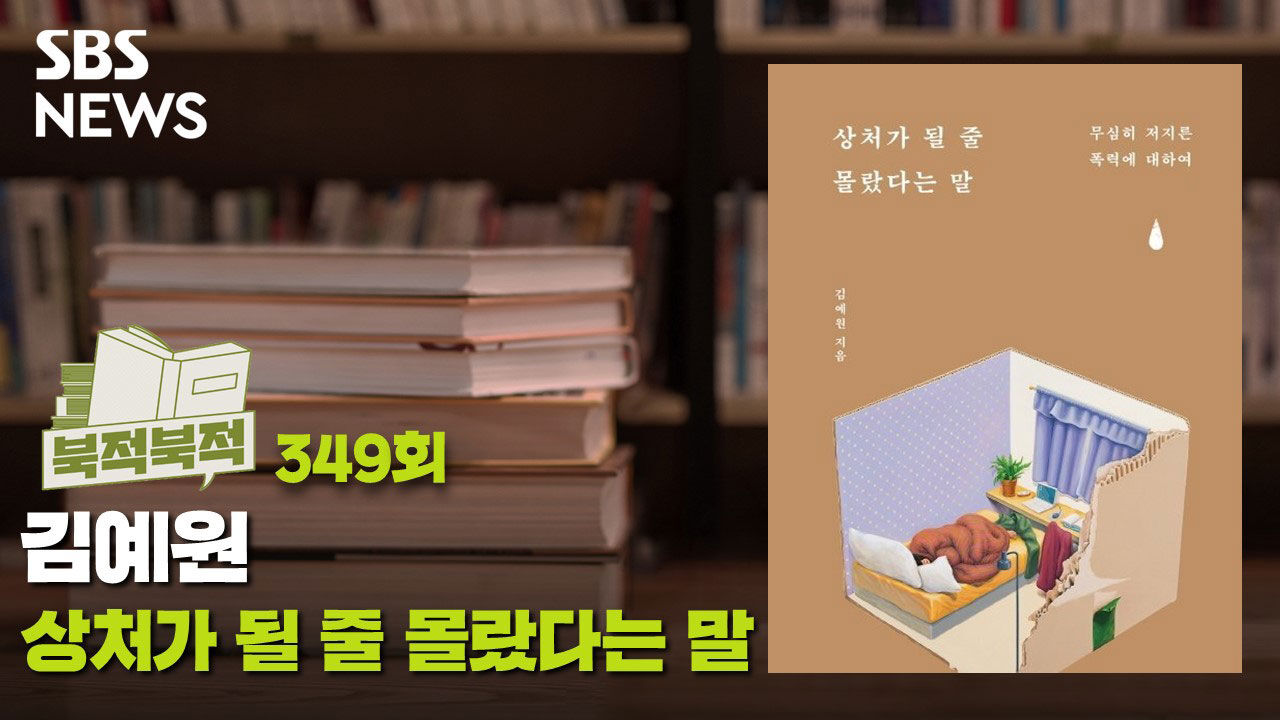
2023.08.28 15:01 In “I Didn’t Know It Would Hurt,” public-interest lawyer Kim Ye-won—who represents and stands in solidarity with people with disabilities and other marginalized crime victims—draws readers into the lived realities of prejudice, exclusion, and everyday violence. Writing from personal and professional experience (she is visually impaired herself), Kim illustrates how thoughtless words, looks, and actions can wound, and she challenges the tendency to label disabled people as “weak” rather than as full, distinct individuals deserving of dignity and equal treatment.
The book also examines how crises like the pandemic intensified isolation for people with mobility or immune vulnerabilities and exposed gaps in legal and social protections. Kim’s candid lectures and advocacy work underline the emotional and systemic toll of exclusion while arguing for a society that recognizes ordinary humanity and equal worth. Her account emphasizes that respecting people with disabilities requires structural support as well as a cultural shift in how we see and speak about difference.
Ultimately the book is a call to action: move beyond one-off sympathy to sustained change by becoming more conscious of language and everyday behavior. Kim urges readers to reflect on moments of complicity, replace derogatory expressions with respectful ones, and support continuous disability-rights education. Small, consistent practices—choosing words carefully, acknowledging vulnerability, and standing in solidarity—are presented as the practical starting points for long-term social transformation.
Original source: 무심코 사용하는 비하의 말을 존중의 말로 (Source: the news outlet; please refer to the original article.)
2020.04.11. 03:23 Kim Ye-won is a visually impaired public-interest lawyer who founded the Disability Rights Law Center in 2017. After completing judicial training in 2012, she worked at a major law firm’s public foundation and the Seoul Disability Rights Center before striking out on her own to provide broader, needs-based legal help. Born blind in one eye as a result of a forceps delivery, she says discovering the medical cause of her disability reinforced her belief that the law is the most precise tool to address injustice.
Kim provides pro bono representation to disabled people, women and children, taking cases regardless of location or the perceived likelihood of success. She has spoken out about repeat patterns of sexual exploitation — including the Telegram “nth room” crimes — and handled high-profile abuse cases such as confinement and extortion at care homes in Wonju and Hongcheon. Known for dramatic courtroom advocacy, she even removed her prosthetic eye during a trial to urge the harshest penalty for a child’s attacker. Beyond litigation, she actively researches rights issues and seeks out victims through media reports as well as formal referrals.
Kim argues that legal reform must lead social change: stronger laws and systems will shift public perception. She highlights ongoing discrimination, such as refusal to allow assisted voting for people with intellectual disabilities, and condemns outdated attitudes that portray exploited women as complicit rather than victims. While she downplays any singular sense of vocation, she hopes her sustained legal work will create broader social resonance and improved protections for minorities.
2019.12.02 08:00 Kim Ye-won is a public-interest lawyer who turned a personal disability and long career in public law into a mission to defend Korea’s most overlooked people. Born with a medical accident that cost her one eye, Kim passed the bar in 2009, worked at public-interest organizations including Dongcheon and the Seoul Disability Rights Center, and in 2017 founded a one-person nonprofit law center to take on cases nationwide. A busy mother of three, she says she is not “nice” by temperament — a quality she considers necessary for sustained legal fights on behalf of vulnerable clients.
Her Disability Rights Law Center focuses on people with little or no social support — orphans, basic livelihood recipients, children from single-parent homes and others left to suffer abuse or exploitation. The center does not charge fees and selects cases where institutional help is absent. Kim emphasizes accompaniment and empowerment rather than a savior role: building long-term trust, helping victims recognize their situation, and enabling them to become the subjects of their own cases. Small breakthroughs — from choosing a snack freely to asserting personal dignity — mark the meaningful progress she seeks.
Beyond individual cases, Kim pursues systemic change through litigation and law reform. She successfully pushed for stronger prosecution in a sexual-assault case involving a deaf woman, advocated for allowing visually impaired people to attempt a Class 1 driving test, and called for mandatory CCTV in special schools after a child’s unexplained death. Balancing casework, policy advocacy and family life, Kim attributes her stamina to practical determination and the support of her husband while continuing to press for rights and protections for disabled people nationwide.
2018.11.21 19:45 Kim Ye-won is a South Korean public-interest lawyer who devotes her long, demanding days to representing people with disabilities. A medical accident left her blind in one eye at birth, which helped inspire her decision to become a lawyer to speak for socially vulnerable people who often lack knowledge or resources to challenge injustice. She founded the Disability Rights Law Center after working at public institutions and has handled over a thousand cases while balancing family life, even bringing her infant to court when childcare options were unavailable.
Her work goes beyond individual litigation: she combines client representation with research, education, and systemic advocacy to close legal blind spots. Kim drafts manuals, publishes studies on disability-rights advocacy, and pushes for law reform when existing statutes fail to address emerging harms — for example, ensuring that victims with disabilities are properly identified so crimes such as sexual assault are charged with appropriate severity, and calling attention to “grooming” and other abuses that remain inadequately covered by current law.
Faith and vocation intersect in her practice. A lifelong Christian, Kim sees her legal work as an expression of lay ministry and the church’s historical role as a movement of the laity reclaiming rights and duties. Confronting abusive practices within religious institutions tested her resolve, but it also reinforced her commitment to pursue justice professionally and spiritually — a mission recognized by awards and public recognition as she continues to push for both individual relief and systemic change.
Original source: “‘가짜 인권’은 없다, ‘가짜 사람’이 없듯이” (Source: the news outlet; please refer to the original article.)
Anecdotes in the piece—like confronting a stranger in an elevator over an unreturned tumbler—illustrate how small, uncomfortable acts of calling out wrongdoing can nudge conscience and spur incremental social change. The author argues that while change is slow, individual moments of accountability create tiny ripples that may encourage people to reconsider selfish habits and unjust behaviors.
The essay centers on lawyer and activist Kim Ye-won and her book, which resonates with the popular drama Extraordinary Attorney Woo. As a visually impaired lawyer, a mother, and a defender of marginalized clients, Kim sees her legal work as helping people reclaim their identities and rights. She laments that while technology advances, social sensitivity to human rights often stagnates, and institutions keep applying uniform standards that ignore differences in disability, gender, race, and background.
Through courtroom stories, Kim exposes the darker sides of human rationalization—perpetrators who deny harm and systems that overlook vulnerable people. Yet she remains committed to the work, comparing civic conscience-raising to Socrates’ proverbial prod: small piercings that wake the larger social body. The central plea is simple and firm—things that are wrong must be named—and the book is offered as a reminder that everyday accountability and legal advocacy together help move society forward.
2022.10.29. 03:00 Kim Ye‑won is a visually impaired human-rights lawyer who has spent more than a decade providing pro bono legal aid to children, people with disabilities, and other marginalized victims of abuse. Born with a medical accident that cost her an eye, she turned personal injustice into public advocacy, handling roughly 1,000 cases and challenging institutional discrimination. Her work ranges from representing developmentally disabled victims of sexual and labor exploitation to campaigning for legislative change and researching victim support systems as a visiting scholar at Duke University.
Kim argues that focusing only on sensational child‑abuse cases or increasing statutory penalties does not solve the underlying problem. She highlights systemic failures: unclear roles and poor information‑sharing among police, local government, schools, and child protection agencies, as well as a practice of automatic family separation that often ignores the child’s wishes and can retraumatize victims. Kim warns that harsher maximum sentences can paradoxically reduce prosecutions by raising evidentiary thresholds, and she calls for stronger, child‑centered interventions—monitoring, support for victims, and measures to prevent parental reoffending—rather than reflexive criminalization.
Beyond litigation on child abuse, Kim has led long campaigns against discriminatory rules—most notably a seven‑year effort to change licensing laws so visually impaired drivers can renew Class 1 licenses—and continues to press for systemic reform. She emphasizes that abuse occurs across all socioeconomic groups and urges the public to report suspicions rather than assuming abuse is limited to the most visible cases. Her message: protect children by centering their voices, reform fragmented institutions, and address discrimination against people with disabilities as part of a broader justice agenda.
2022-09-16 00:05 Public awareness of autism and developmental disabilities in South Korea has grown since the hit drama ‘Extraordinary Attorney Woo,’ but advocacy groups warn that attention alone cannot prevent recurring tragedies in families caring for people with developmental disabilities. Kim Ye-won, founder and lead attorney of the Disability Rights Law Center, says fatal incidents continue to happen monthly despite increased visibility, and that structural problems—particularly chronic underfunding—are the root cause.
Kim, a visually impaired lawyer who has worked in public-interest law for over a decade and runs a pro bono practice handling 50–100 cases at a time, was recently named a Kakao Impact Fellow and is currently a visiting scholar at Duke University. She uses fellowship support to sustain legal aid and plans regional collaborations to help vulnerable urban populations. Kim emphasizes she selects cases she can meaningfully support—often representing people who cannot pay—and rejects comparisons to dramatized portrayals despite the media attention.
The policy gap is stark: the 2023 Ministry of Health and Welfare budget allocates only 4.8 billion KRW for deinstitutionalization out of roughly 2.2 trillion KRW classed as disability rights spending, and Korea’s disability welfare budget equals just 0.61% of GDP versus the OECD average of 2.02%. Kim calls for significantly increased funding and staffing for community-based supports and ‘deinstitutionalization,’ and continues advocacy work including successful legal reforms (e.g., 2016 changes allowing visually impaired applicants to sit certain driving tests) and current research at Duke on victim support systems for hard-to-detect, power-based crimes like child abuse and intimate-partner sexual violence.
Original source: “장애인에 관심 커졌지만 예산지원 아직 멀어” (Source: the news outlet; please refer to the original article.)
2019.03.18 09:30 Kim Ye-won, a public-interest lawyer and well-known disability rights activist, has published a new book collecting her advocacy stories entitled “누구나 꽃이 피었습니다” (Everyone’s Flowers Bloomed). Known for powerful public images—like taking her baby to court—Kim draws on her experiences supporting disabled clients to reveal everyday injustices and the human side of legal work. The book foregrounds real cases and the people behind them, presented in accessible, narrative form for general readers.
A distinctive feature of the book is how Kim uses scenes from popular films as entry points to discuss legal and social issues. For example, she links the sloth workers in Zootopia to the labor realities faced by people with developmental disabilities and uses a scene from the film Marathon to explore barriers to judicial access for disabled individuals. Beyond individual cases, the author explains how to support and advocate for social minorities and details her involvement in both casework and systemic reform efforts.
Kim’s aim was to make rights-focused stories approachable—even for readers who aren’t film fans—by highlighting everyday human rights dilemmas and practical advocacy lessons. She hopes readers take away a simple but powerful message: like flowers that differ in color and scent, diverse people are each inherently dignified. The book offers both compassionate storytelling and concrete insights for activists, legal professionals, and any reader interested in social justice.
Original source: [법조계 신간 엿보기]누구나 꽃이 피었습니다 (Source: the news outlet; please refer to the original article.)
2017.04.13 13:52 Last January, attorney Kim Yewon opened the Disability Rights Law Center and marked its 100th day while running essentially a one‑person legal office. Despite earning just 200,000 won in the first month (mainly lecture fees from disability organizations), she handles intake calls, drafts opinions and filings, and makes frequent site visits. Kim plans to grow the operation into a nonprofit as like‑minded colleagues join, but for now she treats the Center as a professional commitment rather than charity.
Kim’s path to disability advocacy is personal and strategic. After losing sight in one eye because of a medical incident, she recognized how information asymmetry leaves vulnerable people without legal protection and resolved to become a lawyer. She rose from local university scholarship support to pass the bar and, during training, saw systemic harms while working with refugee, sexual‑assault and disability organizations. To support public interest work she organized a legal fund with classmates that raised roughly 360 million won over three years, enabling sustained pro bono representation.
Her work emphasizes empowerment over paternalism. Kim highlights a landmark win where she helped a security guard whose prosthetic leg was damaged in a workplace accident, overturning a court ruling that denied industrial accident status. She has earned counseling and social‑work credentials to better serve disabled survivors of sexual violence, balances demanding public interest work with parenting two young children, and donates regularly with her husband. Kim frames her choices as both professional and personally fulfilling — a deliberate, joy‑driven vocation rather than mere volunteerism.
2017.07.07 18:00 A person with a disability has filed a lawsuit accusing a cosmetics company of pressuring them into buying products, a case flagged under keywords including forced sales and the cosmetics brand Coreana. The report, one among several widely read items, highlights an individual consumer complaint that has prompted legal action and public attention to sales practices targeting vulnerable customers.
The article sits within a broader set of disability-related news: efforts to standardize the name of disability registration cards, calls to amend the Basic Livelihood Security Act to break the “poverty trap” undermining disabled workers’ motivation, and ongoing initiatives like weekly audio-described programming. It also notes troubling incidents and legal disputes — from court rulings on discrimination and access denials (such as a wedding venue refusing entry to an electric wheelchair user) to allegations of abuse in care facilities and low employment rates and wages for people with disabilities (employment rate 34%, average monthly pay 2,153,000 won in the cited period).
These developments come as disability-rights legislation advances (including the Disability Rights Guarantee Act and discussion of a Brain Lesion Disability Support Act) and as advocacy groups press for stronger protections for both rights and consumers. The cosmetics lawsuit joins a pattern of cases and policy debates that call for tighter consumer safeguards, clearer anti-discrimination enforcement, and accelerated legislative support to protect people with disabilities in Korea.
Original source: 장애인 ‘화장품 강매 당했다’, 업체 고소 (Source: the news outlet; please refer to the original article.)
2018.05.14 19:26 Ahead of local elections, disability-rights lawyer Kim Ye-won argues a simple change — adding candidates’ photos to ballots, as Taiwan does — would make voting far easier for people with developmental disabilities. She criticizes the Public Official Election Act for omitting photos and laments that the same accessibility concerns resurface every election cycle without reform. Kim’s proposal highlights practical, low-cost adjustments that could significantly increase meaningful political participation for disabled voters.
Kim’s own story and work illustrate the stakes. Born with an eye injury, she built a legal career through merit, then founded the Disability Rights Law Center to provide free legal aid to people facing rights violations because of disability. Working with abused, abandoned, and exploited individuals, she documents how legal and institutional gaps — for example, no guaranteed state-appointed counsel in many disability abuse cases — leave vulnerable people without recourse. Her center operates with minimal resources yet addresses severe, long-standing injustices.
Rather than one-off charity or paternalistic “fix-it” approaches, Kim urges sustained, empowering assistance: trained supporters who provide information and accompaniment so disabled people can make their own decisions. She warns against treating disabled people as passive objects of protection and calls for systemic reforms and continuous local support to secure rights and dignity. Her message is both practical and moral: inclusive changes and steady help now protect everyone, because anyone can become vulnerable.
Kim Ye-won has been named the inaugural recipient of the Kwak Jeong-suk Human Rights Award, established to honor the late activist and former lawmaker who devoted her life to disability rights. The award committee recognized Kim for her tireless legal support in disability rights cases. Though born with a medical accident that cost her vision in one eye, Kim says she did not set out to be a disability-rights lawyer; her path shifted after handling disability-rights cases at a public-interest foundation and later at the Seoul Disability Rights Center.
Her career includes a landmark 2014 Supreme Court victory that recognized damage to a prosthetic leg as an occupational injury, and years of public-interest work defending invisible and systemic discrimination. In 2017 she founded the nonprofit Disability Rights Law Center, providing free legal services and refusing fees and donations to prioritize clients who might otherwise remain unheard. Kim has taken on difficult cases—from long-term labor exploitation where courts sometimes award minimal compensation, to the underreported sexual violence faced by disabled women—and consistently emphasizes that disability rights encompass more than mobility: they include information access, cultural participation, and full civic equality.
Known for describing herself as someone whose “personality became her profession,” Kim pursues justice by asking difficult questions and empowering clients to reclaim their voices. She finds reward not only in legal wins but in witnessing survivors grow stronger and recognize they are not to blame. A mother expecting her third child and still actively providing legal support in late pregnancy, Kim frames the award as encouragement to continue steady, long-term work rather than as an endpoint: she hopes simply to keep doing this work for years to come.
Original source: 장애인 인권 위한 그녀의 소걸음 (Source: the news outlet; please refer to the original article.)
2015.12.14 09:39 article At a recent training hosted by the Korean Bar Association, Kim Ye-won, team leader and attorney at the Seoul Disability Human Rights Center, highlighted the everyday ways people with disabilities face hidden discrimination. She cited concrete examples—students denied admission because there are no special classes, buildings accessible only by stairs, and refusals to provide reasonable accommodations—and stressed that such barriers are widespread despite existing laws.
Kim reviewed the Disability Discrimination Prevention and Remedies Act, which forbids discrimination across employment, education, goods and services, legal/administrative procedures, voting, family and welfare, health care, and protections for women and children with disabilities. In practice, however, discrimination persists through cost-cutting hiring practices, sexual harassment, lack of accessibility, and various abuses in residential facilities (assault, sexual violence, embezzlement, neglect, and violations of autonomy). She recommended remedies including reporting to the Seoul Disability Human Rights Center (1644-0420), filing complaints with the National Human Rights Commission (1331), and pursuing civil or criminal litigation when appropriate.
For institutions and facility operators, Kim advised documenting confirmed abuses, taking disciplinary action, requesting investigations by human rights bodies or local centers, and providing prevention training to all staff. She also urged consulting relevant officials by phone or email when situations are unclear. Kim closed with a reminder that disability is exacerbated by a non-inclusive society and called for removing social discrimination that makes life harder for people with disabilities. Other speakers at the session included Park Kim Young-hee and attorney Lee Sang-min.
Original source: “장애인 불편하게 만드는 사회적 차별 방지해야” (Source: the news outlet; please refer to the original article.)
2014.12.02 19:12 article Recent reporting highlights that community-based disability rights advocacy in Korea is struggling to keep up with systemic problems. Local centers and organizations play a vital role—documenting abuses, supporting complaints, and raising public awareness—but face resource constraints, overlapping responsibilities, and legal blind spots that limit their effectiveness.
Practical issues underscore the problem: the government has moved to standardize the name of disability documents under a single “disability registration card,” but broader policy failures remain. Low employment rates (around 34%) and modest average monthly wages (approximately 2,153,000 KRW) reflect a poverty trap that undermines work incentives. High-profile discrimination cases, rising legal claims, and persistent human-rights violations show that advocacy alone can’t substitute for stronger legal protections and social supports.
Advocates are calling for urgent legislative and structural reforms — including passage of comprehensive disability-rights legislation and targeted laws such as support for people with brain lesions — alongside better funding, clearer mandates for local centers, and coordinated national oversight. Strengthening legal remedies, updating the Basic Livelihood Security framework, and improving service delivery are presented as immediate priorities to turn advocacy gains into durable rights and inclusion.
Original source: 지역밀착형 장애인권리옹호 서비스 ‘한계’ (Source: the news outlet; please refer to the original article.)
Kim Ye-won, a 31-year-old attorney with the Dongcheon public-interest foundation of law firm Taepyungyang, has become a prominent and relentless advocate for people with disabilities. Known for warm empathy with victims and fierce advocacy in court, she is leading appeals and civil claims in high-profile abuse cases, including the Wonju disability-facility scandal where a man who posed as a pastor abused and exploited dozens of residents. Kim criticizes the initial sentence as too lenient, is representing victims in family-registration corrections and related suits, and works closely with rescued residents as they recover from long-term trauma.
Her drive to become a lawyer came from personal experience: she lost sight in one eye due to a birth-related medical accident and was shocked by the lack of redress and apology. That experience shaped her focus on medical negligence and structural discrimination. Kim recounts everyday barriers she’s faced, such as being denied a license upgrade because of one-eye vision rules, and organized advocacy that helped prompt a legislative proposal to allow individualized assessments for licensing. She emphasizes practical reforms over blanket restrictions, citing international precedents that permit driving with one good eye under evaluation.
Beyond individual cases, Kim is pushing systemic change: she champions a Protection & Advocacy (P&A) model to enable rapid, local intervention in abuse or rights violations, and contributes to civil society reporting ahead of Korea’s UN CRPD review. She views the law as a tool to create faster, safer social change and argues disability rights are everyone’s issue—because anyone can become disabled and society benefits when all members are protected and included.
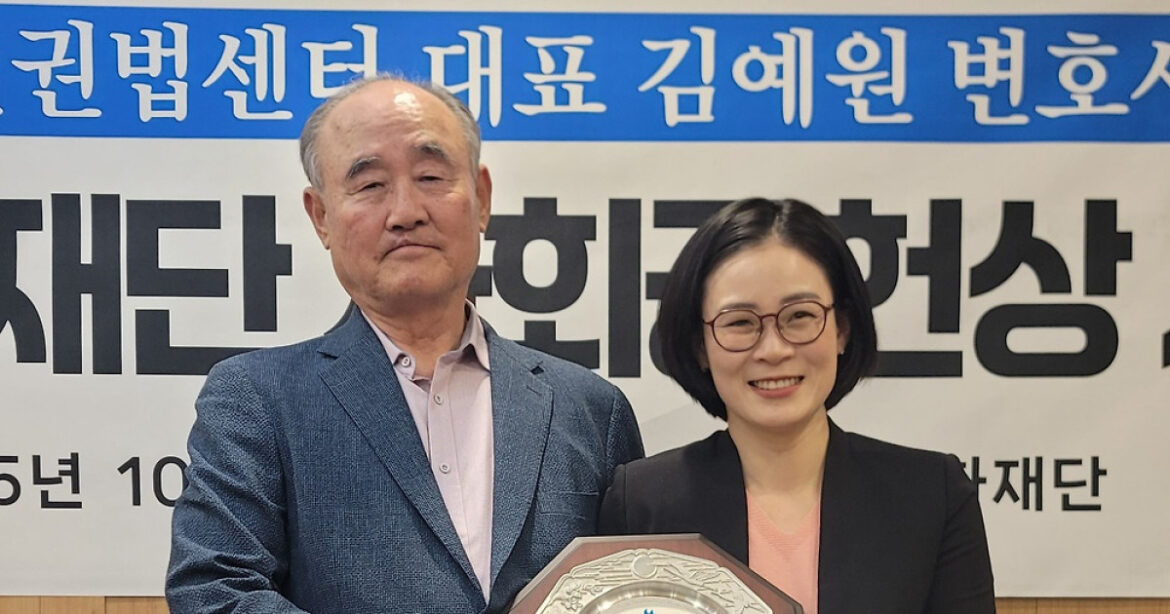
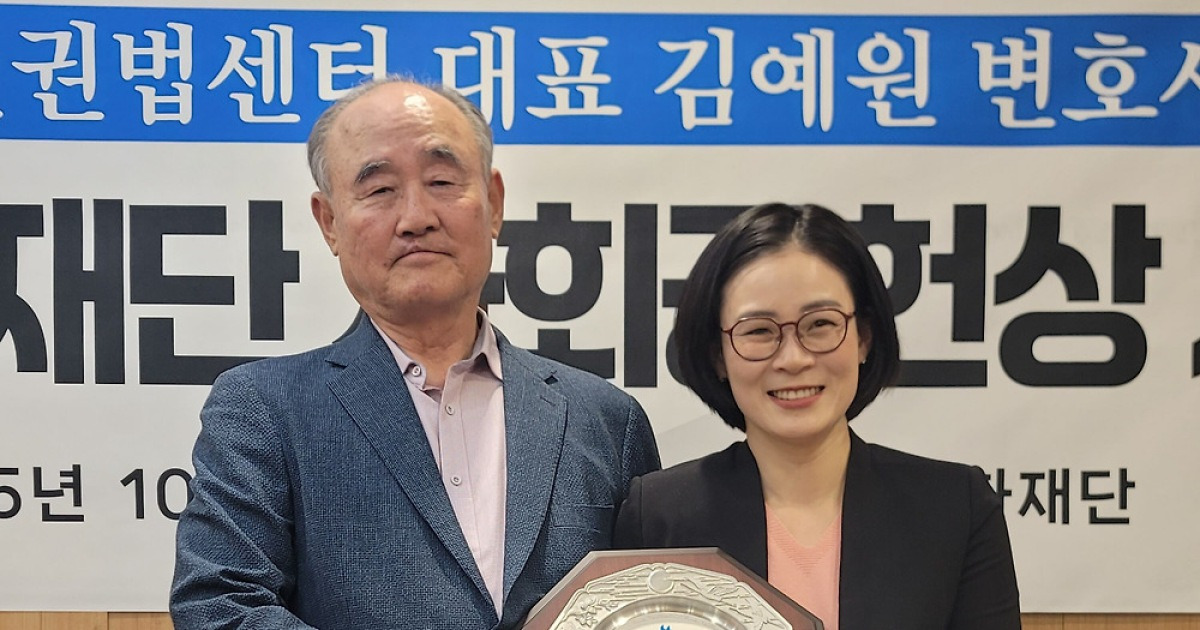
On October 24 at the Koreana Hotel in Seoul, attorney Kim Yewon, a visually impaired lawyer and head of the Disability Rights Law Center, received the Hyupseong Social Contribution Award. The prize, presented by Jeong Cheolwon, chairman of Hyupseong Comprehensive Construction and founder of the Hyupseong Cultural Foundation, carries a monetary award of ₩50 million. The foundation, established in 2010, supports social contribution and scholarship initiatives in Busan and beyond.
Kim has provided pro bono legal support for socially vulnerable groups—including women, children, people with disabilities, and migrants—focusing on public-interest litigation rather than financial gain. At the ceremony, Jeong praised her dedication to helping marginalized people and victims of crime, calling her a model legal professional who helps build a warmer society.
Accepting the award, Kim pledged to continue working humbly so that the voices of those who suffer are respected within institutions and society. The recognition underscores the importance of legal aid, disability rights advocacy, and the role of public-interest lawyers in advancing social justice and inclusion.