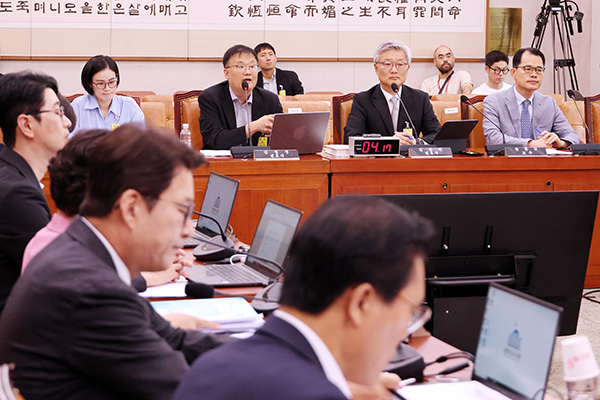
Lawmakers and legal experts convened at a National Assembly Judiciary Committee public hearing to review the Democratic Party’s so‑called “prosecutorial reform 4 laws” — abolishing the Prosecutor’s Office, creating a Public Prosecution Office, establishing a Serious Crimes Investigation Office, and founding a National Investigation Commission. While participants broadly agreed that prosecutorial reform is necessary, the hearing on March 9 revealed sharp disagreements over the bills’ design and potential consequences, with experts from the bar and academia offering deeply contrasting assessments.
Critics warned that dismantling the existing prosecutorial structure could produce serious side effects and weaken the quality of criminal prosecutions. They argued that wholesale abolition overlooks practical realities — for example, separating investigation and prosecution may prevent necessary supplementary investigations, complicate procedures, and ultimately harm vulnerable people. Several speakers also cautioned that political influence could simply shift from a “political prosecutor” to a “political police” if appointment and control powers remain with political actors, leaving the core problem of political intervention unresolved.
Supporters countered that meaningful change requires organizational overhaul: prosecutors must be stripped of direct investigative personnel and new, independent bodies should be created to oversee and request supplementary investigations and police conduct. Proponents framed the reforms as essential to restoring prosecutorial integrity and preventing past abuses. The committee agreed to refer the bills to a subcommittee for detailed review, underscoring consensus on the urgency of reform but no agreement yet on the best institutional path forward.
📌 원본 출처: www.lawtimes.co.kr