2020.09.08
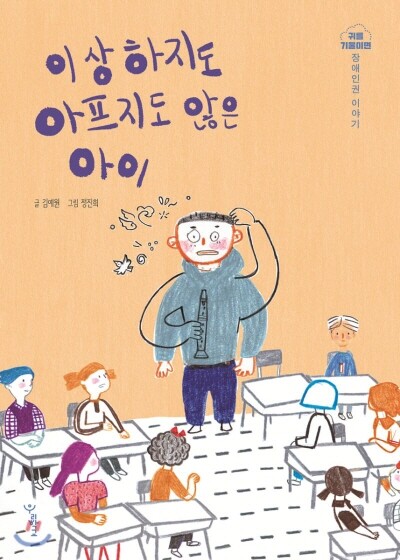
Kim Yewon’s children’s book begins in a fourth-grade classroom where Jo-han, a student with developmental disabilities, causes a small disturbance by taking and playing a classmate’s recorder. The classmates react with distancing remarks and pity, and the teacher challenges them with a simple but powerful homework question: “What does it mean to live together?” The story uses this familiar school setting to explore how easy it is to confine a person to limiting labels and how community spaces shape our responses to difference.
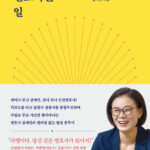
The author, Kim Yewon, is a visually impaired human-rights lawyer who works supporting victims of rights violations and advocating for legal reform. Drawing on her experience and earlier work that connected film and real disability stories, she intentionally wrote for children to encourage early, empathetic thinking about diversity. The book’s title—taken from a key scene where a child reveals their true self to a friend—captures the central message: people are not merely “strange” or “sick,” but individuals with distinct gifts, like flowers with different colors and scents.
The book challenges common paternalistic reactions—”poor thing,” “how difficult”—that shrink a person’s identity and instead invites small, practical changes in everyday behavior. Kim recommends simple acts of kindness and speaking up when needed, arguing that ordinary people’s small, consistent efforts have great power to change social norms. She also suggests empathy-building media such as Inside Out and urges readers to practice “gentle interventions” in daily life to help create a more inclusive community.
Original source: 김예원 “우리, 같이 살아간다는 것” | 예스24 채널예스 (Source: the news outlet; please refer to the original article.)